

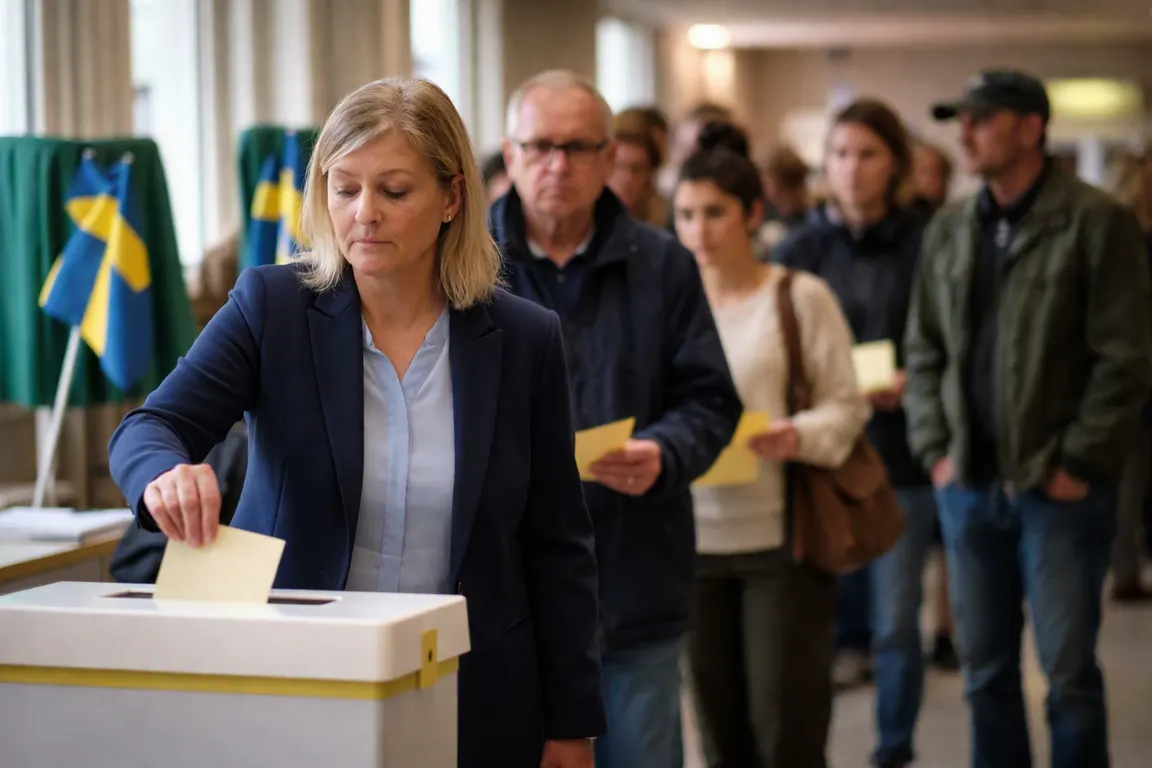
Swedish voters head to the polls on Sunday with the left‑leaning and right‑leaning blocs separated by just 0.3 percentage point, according to the latest poll. The centre‑left alliance led by Prime Minister Magdalena Andersson holds a narrow lead, but the margin has tightened sharply in recent weeks. If the Sweden Democrats election outcome gives the party enough seats to join a governing coalition, it could move from the political fringe to a kingmaker in a government traditionally seen as a benchmark of liberal democracy.
A coalition that includes the Sweden Democrats would likely tighten migration rules, adjust law‑and‑order measures and maintain the higher defence spending Sweden adopted after Russia’s invasion of Ukraine. Those policy shifts would affect immigrants concerned about residency status, taxpayers facing higher defence levies and Sweden’s posture within the EU and NATO, where it has been a vocal advocate for human‑rights and a counterweight to Russian aggression.
The Sweden Democrats have spent the past decade building a base around migration, crime and cultural identity. Their 20‑plus seats in the 349‑member Riksdag now make them indispensable for any right‑leaning bloc seeking a majority. The party’s rise has been reflected in swing constituencies where concerns over immigration and security have resonated, according to regional reporting.
Security remains a decisive issue. The war in Ukraine has forced Sweden to raise its military budget permanently, and voters cite regional stability and a robust NATO contribution as top priorities. While the Sweden Democrats have signaled support for continued defence spending, they could push for a harder line on perceived external threats, potentially influencing Sweden’s diplomatic tone toward Russia.
Businesses are watching the election closely. A far‑right‑inclined coalition might revisit EU trade rules, climate commitments and regulatory frameworks, creating uncertainty for exporters and investors. Stricter migration policies could also affect labour markets in sectors that rely on foreign workers.
The election result will be known on Sunday, but coalition talks will determine whether the Sweden Democrats enter the cabinet. Negotiators will weigh the benefit of a stable majority against the political cost of legitimising a party long excluded from government. The composition of the next government will shape Sweden’s domestic agenda and its role on the European stage, as a handful of votes could redefine a nation once celebrated for its liberal values.