

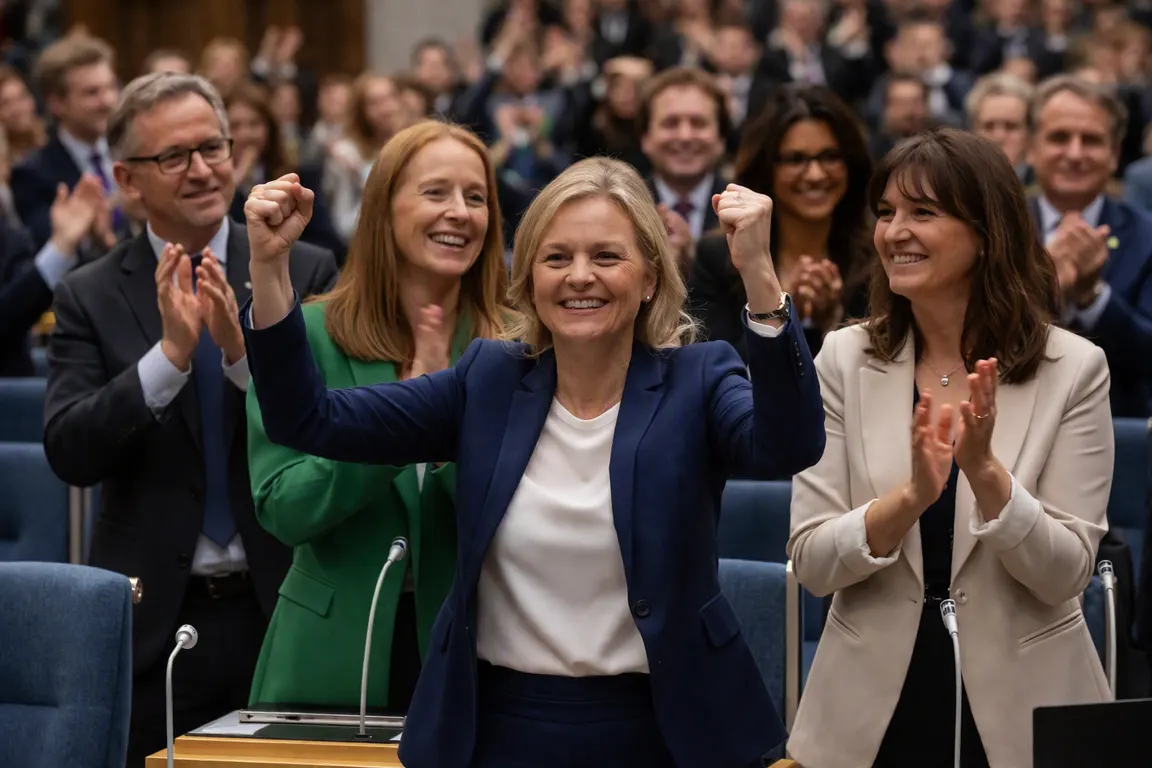
Prime Minister Ulf Kristersson announced Thursday that he will step down after his three‑party centre‑right coalition lost the September election. Vote tallies confirmed a narrow victory for a Sweden centre-left majority, giving it a slim lead in the 349‑seat Riksdag and triggering the start of coalition talks.
The new balance of power comes at a critical moment for Sweden. The country faces tightening public finances, a debate over defence spending as a NATO member, and heightened scrutiny from investors and EU partners who seek policy continuity. A centre‑left government is expected to review fiscal priorities, social‑welfare programmes and EU coordination, making the speed and composition of the forthcoming coalition vital for domestic stability and international confidence.
Election results show the Social Democrats, led by Magdalena Andersson, secured enough seats to command a majority, but the margin is thin. Andersson described the outcome as a vote for “unity and against division” and said her party will begin talks to form a governing coalition. Potential partners include the Green Party and the Left Party, both of which share the Social Democrats’ focus on social spending and climate action.
Negotiations will need to bridge divergent views on tax policy, public‑sector wages and defence procurement. The outgoing coalition of the Moderate Party, Christian Democrats and Liberals pursued fiscal tightening and modest increases in defence spending. A centre‑left administration is likely to push for a more progressive tax structure, expanded welfare benefits and greater investment in public services, while still maintaining Sweden’s NATO commitments and EU climate and migration goals.
For businesses and investors, the key question is whether fiscal policy will remain predictable. Any abrupt changes to tax rates or spending could affect market confidence, while a swift, orderly transition would reinforce Sweden’s reputation for political stability.
The precise seat count has not been disclosed, leaving some uncertainty about how fragile the majority is. If coalition talks stall, Sweden could face a prolonged caretaker period, dampening investor sentiment and complicating its contributions to EU and NATO initiatives. Conversely, a rapid agreement would signal a stable government ready to address pressing economic challenges.
The Speaker of the Riksdag will now invite Andersson to explore coalition options. The next weeks will determine which parties join forces, how quickly they reach consensus on fiscal and defence priorities, and what policy direction Sweden will take in the coming years. The outcome will be watched closely by markets, EU partners and the broader Northern European region.