

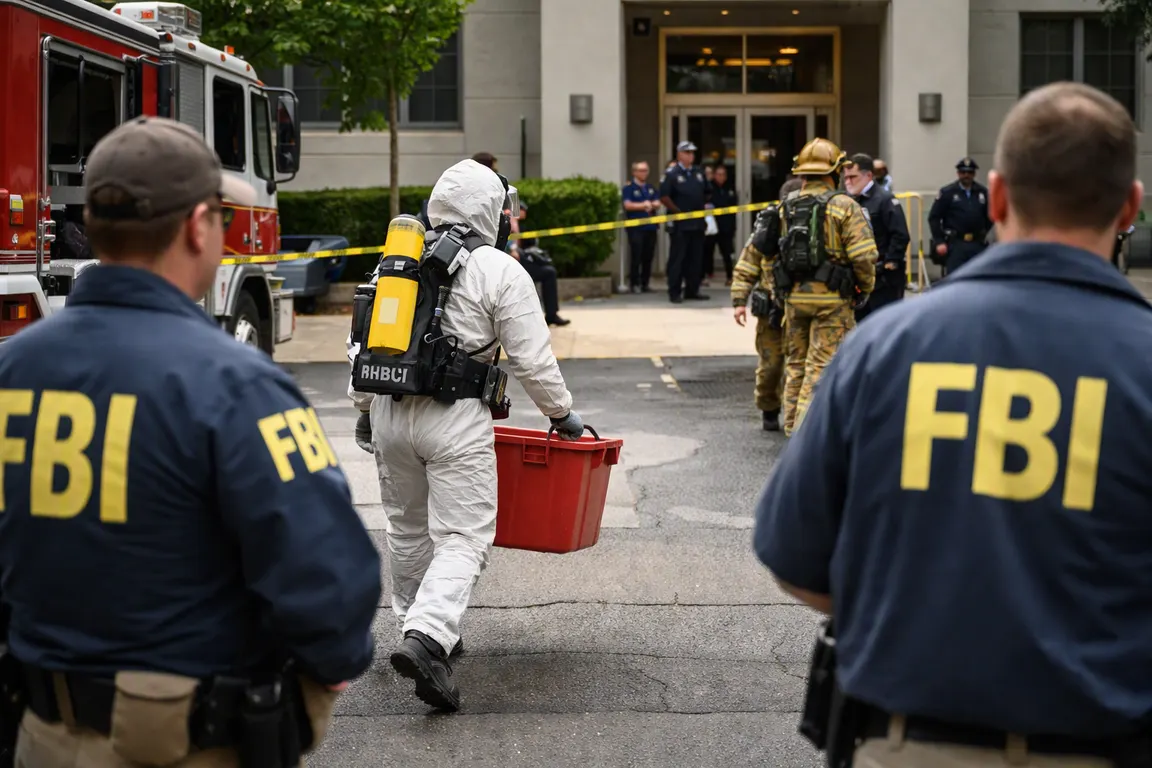
Federal investigators are examining envelopes that contained an unknown white powder and were mailed to election officials in Oklahoma, Louisiana and Ohio. The packages, described as suspicious election mail powder, prompted evacuations and a coordinated response from the FBI, U.S. Capitol Police and the Postal Inspection Service just weeks before the November 8 midterm elections.
In early October, the Oklahoma State Election Board and the Louisiana Secretary of State’s office received envelopes marked as official correspondence. Employees who opened the packages reported a fine, white powder and, following protocol, cleared the areas and alerted law‑enforcement partners. A similar envelope addressed to Ohio’s secretary of state was intercepted by the United States Postal Service before delivery. State officials confirmed receipt of the suspicious mail, and local media reported the evacuations within days.
The powder has been sent to a federal laboratory for analysis. The FBI’s public affairs office described the material as “unknown” and said no hazardous properties have been confirmed. Investigators have not linked the mailings to any individual or group, and they have not labeled the incident a terrorist act.
Major outlets have covered the story with varying emphasis. The Guardian noted the uncertainty surrounding the substance and the potential for a bioterror scenario, while the BBC referred to the items as “suspicious substances” without assigning a threat level. NBC focused on the federal response but offered few details about the powder itself. The divergent reporting reflects the limited information available.
Election officials say the mailings forced temporary staffing adjustments and heightened security protocols. In Oklahoma, workers were reassigned to alternate locations to keep ballot‑processing on schedule. Louisiana’s secretary of state said the evacuation lasted several hours and that contingency plans prevented any delay in vote‑tabulation. Ohio officials, having intercepted the envelope, warned other state agencies to stay vigilant for similar mail.
The timing—less than a month before voters head to the polls—adds urgency. Additional packages could strain already stretched election‑administration resources and heighten public anxiety about voting integrity. Lawmakers in the three states have called for a review of mail‑handling procedures for election materials, and federal agencies have pledged to share findings with state partners once analysis is complete.
Authorities continue to urge anyone who receives unexpected or suspicious mail to contact local law‑enforcement or the Postal Inspection Service immediately. The next steps include completing the laboratory analysis, tracing the origin of the envelopes and determining whether procedural changes are needed to safeguard election operations ahead of the midterms.