

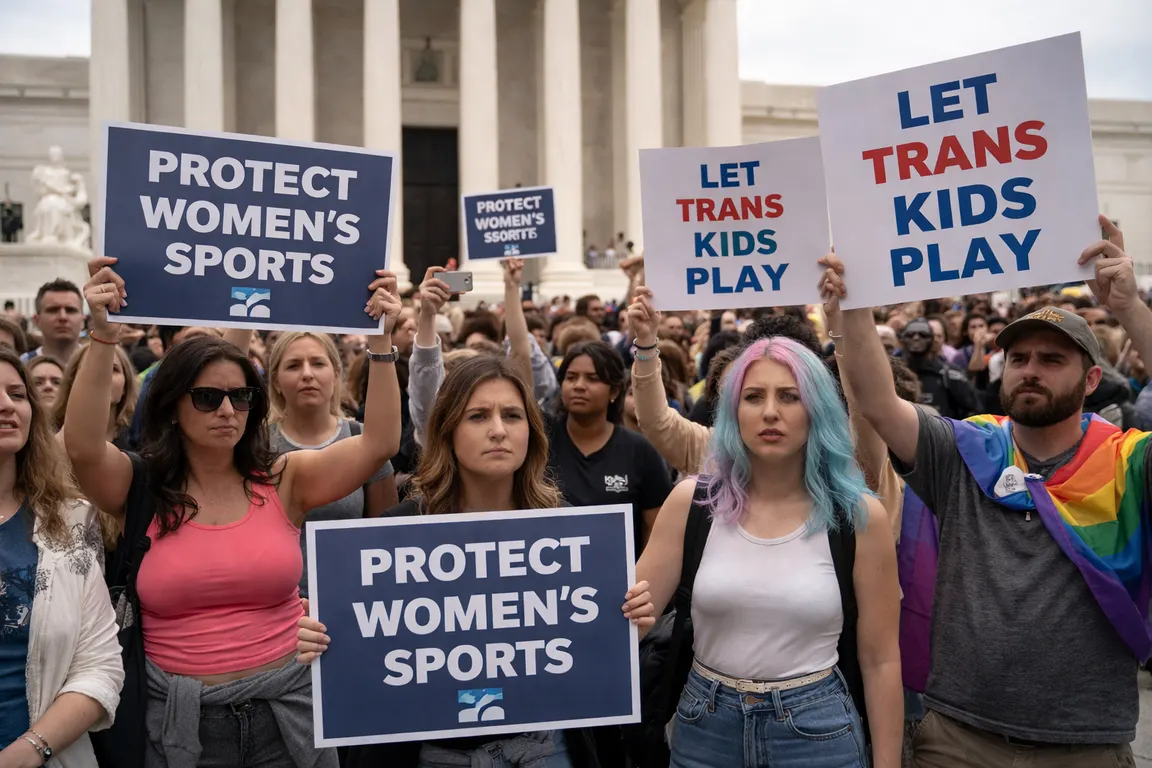
The Supreme Court has given states the authority to ban biological men from competing in women's sports, a decision that upholds the distinction between biological sex and gender identity in athletic competition, affecting trans athletes.
This ruling has significant implications for women's sports, as it prioritizes fair competition and preserves the legal rights of women. The Court determined that biological sex should be the determining factor in female athletic events, rather than gender identity.
The decision may impact women athletes, who may benefit from the ruling as it aims to ensure fair competition in female sports. On the other hand, transgender athletes may face limitations in participating in sports that align with their gender identity.
According to the National Review, the Supreme Court's decision preserves the legal rights of women and maintains fairness in women's sports. The ruling is a significant development in the debate over transgender athletes in women's sports, with some arguing it is necessary to maintain fairness and others claiming it discriminates against transgender individuals.
As states begin to implement the decision, the impact on local athletic programs and the broader LGBTQ+ community will be closely watched. A key question is how states will balance the need to ensure fair competition in women's sports with the need to protect the rights of transgender athletes.