

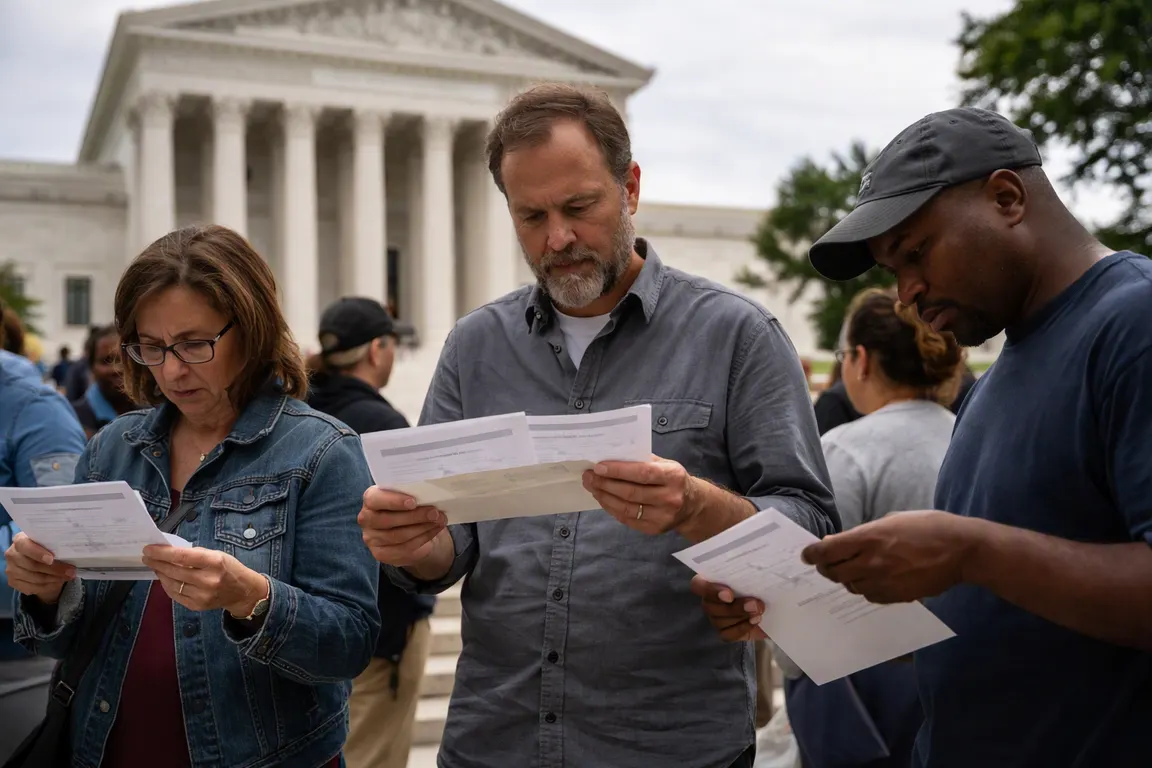
The U.S. Supreme Court on September 14, 2026 denied the federal government’s request for an emergency stay on the Supreme Court mail‑in ballot stay, leaving a nationwide injunction in place that blocks a Postal Service rule requiring unique barcodes and scanner‑ready envelopes for every mail‑in ballot. By preserving the injunction, the Court kept the current ballot‑mailing system as states prepare for the 2026 midterm elections.
The injunction, issued by a federal district court in March 2024, halted a Trump‑era executive order that would have limited mail‑in voting to voters on pre‑approved lists and forced the Postal Service to adopt new barcode‑based processing. Election officials warned that the changes could not be rolled out in time for the upcoming contests.
Justice Brett Kavanaugh, writing a concurring opinion, said applying the rule for the 2026 midterms would be “arbitrary and capricious” because states and the Postal Service lack the time needed for implementation. Justices Samuel Alito and Clarence Thomas dissented, arguing the government had a reasonable chance of success on the merits.
With the stay denied, states will continue using the ballot‑mailing procedures that have been in place for years. Voters will receive ballots through the same channels used in prior elections, and the return process remains unchanged. Election administrators no longer face pressure to purchase barcode equipment, train staff, or overhaul sorting software, freeing resources for other election‑related priorities.
The Postal Service also avoids the operational burden of integrating a new barcode infrastructure into its nationwide sorting network. While the agency has faced criticism for delivery delays, the Court’s decision does not alter its existing mail‑handling contracts.
Politically, the ruling removes a flashpoint that could have sparked fresh litigation and voter‑suppression claims ahead of a tightly contested midterm cycle. Both parties benefit from a predictable voting framework that limits surprise legal challenges.
Legal scholars note the case underscores the judiciary’s role in election logistics when federal actions intersect with state‑run administration. The split opinions highlight an ongoing debate over the balance of federal authority and state autonomy in election matters.
As states finalize their mail‑in ballot plans, officials will monitor the implementation of existing procedures and continue to address broader concerns about delivery timelines and voter outreach. The Supreme Court’s denial of the stay leaves open the possibility that future administrations could revisit the rule, suggesting the issue may return to the courts if new executive actions are proposed.