

Supreme Court to Hear Challenge to ICE Bond Hearings Policy
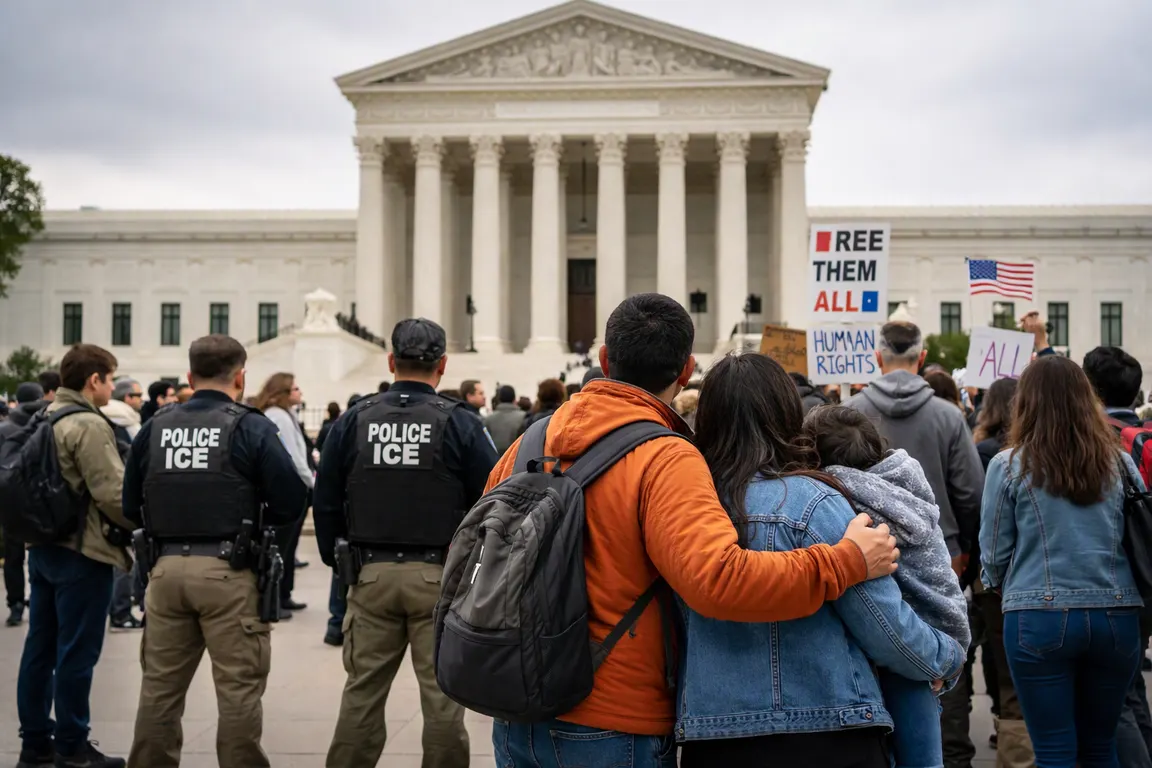
The U.S. Supreme Court granted certiorari on Thursday to hear a case challenging the Trump administration’s 2019 rule that bars most non‑citizens in removal proceedings from ICE bond hearings. The decision puts the nation’s highest court at the center of a dispute over whether the government can keep undocumented migrants in detention indefinitely without a hearing on release.
The rule, issued in 2019, reinterpreted immigration law to eliminate bond eligibility for the majority of people facing removal. Immigration‑rights groups say the policy has resulted in thousands of detainees being held without a hearing, stretching statutory limits on detention and raising Fifth Amendment due‑process concerns. A ruling could force ICE to resume bond hearings and potentially release many individuals while their cases proceed.
A coalition of immigrant‑rights organizations filed suit on behalf of detained migrants denied bond, arguing the rule violates statutory caps on detention length and the constitutional guarantee of due process. The government contends the policy is a lawful exercise of executive authority intended to ensure that individuals subject to removal remain available for proceedings.
Legal scholars note that the Court has traditionally been reluctant to intervene in immigration enforcement, but recent decisions have shown a willingness to scrutinize executive actions that affect non‑citizens’ liberty interests. The case joins a wave of litigation targeting Trump‑era measures, including challenges to the “public charge” rule and other restrictions on asylum seekers.
If the Court finds the bond‑denial rule unlawful, ICE would need to allocate resources for bond hearings, train staff on new procedures, and manage a surge of release requests. Local jurisdictions could see increased demand for housing, legal representation and social services for newly released detainees and their families. Conversely, a decision upholding the policy would preserve the status quo, allowing ICE to continue detaining migrants without bond hearings—a practice critics say strains detention capacity and burdens immigrant communities.
Oral arguments are scheduled for later this year, with the Court’s deliberations set to determine not only the fate of the bond‑denial rule but also the scope of executive authority over the liberty of non‑citizens pending removal. The outcome will have immediate implications for ICE’s workload, the families of detainees, and the broader debate over the limits of U.S. immigration enforcement.