

Strait of Hormuz Ceasefire Offer Rejected, Risk of Air
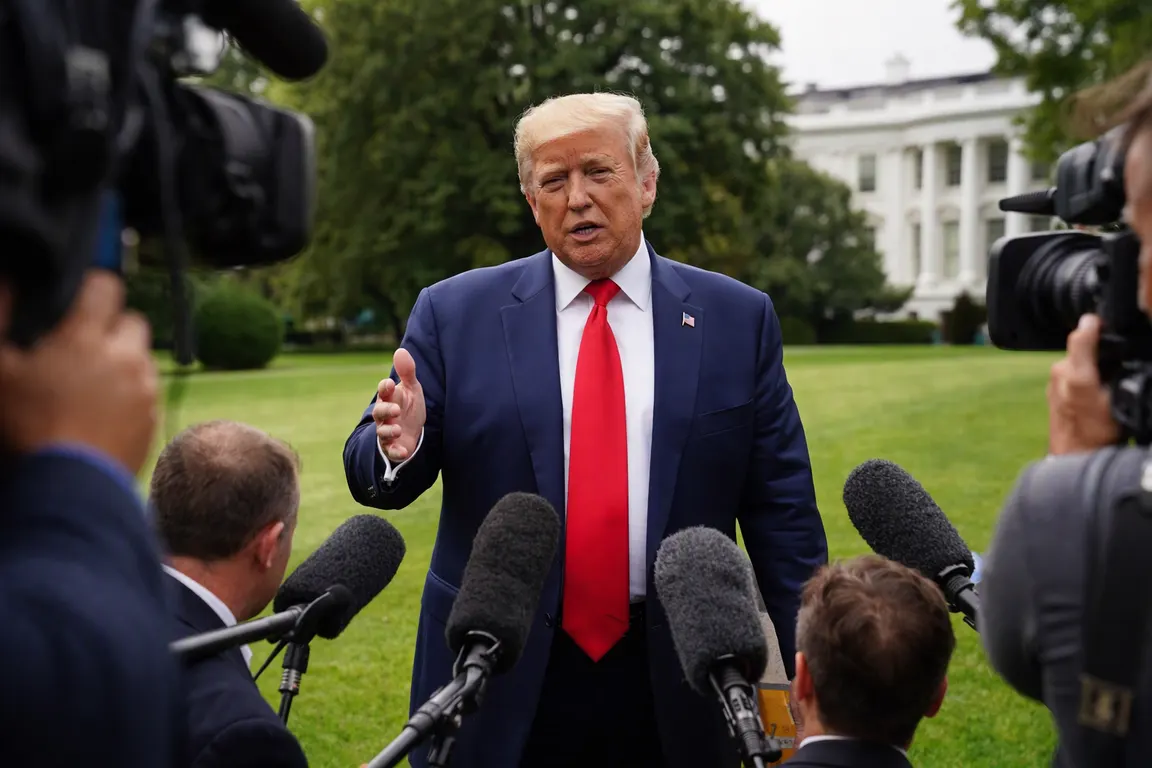
President Donald Trump told reporters on the White House lawn on Sept. 26 that he was "rejecting their deal" after Iran, through Qatar, offered a seven‑day cease‑fire, the reopening of the Strait of Hormuz and a restart of nuclear talks. The comment, reported by the Wall Street Journal and echoed by other outlets, suggests the United States could resume bombing campaigns against Iranian targets after the November midterm elections.
The Strait of Hormuz carries roughly 20 percent of global oil shipments. A renewed U.S. air campaign would raise the risk of a closure or heightened tension in the chokepoint, potentially spiking oil prices and prompting shippers to reroute vessels or increase insurance premiums. No formal policy shift or congressional authorization has been announced.
Iran’s proposal, first reported by Al Jazeera, called for an immediate reopening of the strait within seven days, contingent on U.S. conditions, and the resumption of nuclear negotiations. Iranian Foreign Minister Abbas Araqchi told reporters the strait could be reopened "within seven days if U.S. conditions are met." The offer arrived amid informal technical discussions at the United Nations General Assembly in New York, where Iranian officials awaited a U.S. response.
Trump’s remarks were blunt. He said, "I’m rejecting their deal… they want to make a deal where they open the Strait immediately because they’re losing so badly," and added that the United States would consider resuming bombing campaigns after the midterms. No official directive or congressional vote has been issued.
The same day, a Saudi‑backed coalition intercepted projectiles in the region, underscoring the heightened volatility.
Energy markets reacted quickly. Traders cited the president’s statements as a factor that could tighten supply expectations, and Brent crude futures edged higher after the comments. Shipping companies operating in the Gulf are assessing alternative routes around the Arabian Sea, a longer and costlier passage, while insurers are reviewing premium adjustments for vessels that may face increased risk.
Humanitarian concerns are also front‑and‑center. Renewed U.S. air strikes would likely increase civilian casualties in Iran and neighboring Gulf states, straining already limited medical facilities and displacing populations coping with conflict‑related disruptions.
From a policy perspective, the president’s verbal rejection does not constitute a formal change in U.S. strategy. No new executive order, Department of Defense directive, or congressional appropriation has been announced. Nevertheless, the public articulation of a possible post‑midterm bombing campaign alters the diplomatic calculus for Tehran, Doha and regional allies, who must now weigh the risk of military escalation against the benefits of a negotiated cease‑fire.
The next steps remain uncertain. Iran may press its proposal through Qatar or seek alternative diplomatic avenues, while the United States is expected to clarify its position in the weeks leading up to the midterms. Observers will watch for official statements from the Pentagon or State Department that could confirm or refute the president’s remarks. Until clarification arrives, the Strait of Hormuz remains a flashpoint where diplomatic indecision and military posturing could quickly translate into disruptions for global oil supplies and regional civilian populations.