

Stephen James Hubbard release by Russia after back‑channel
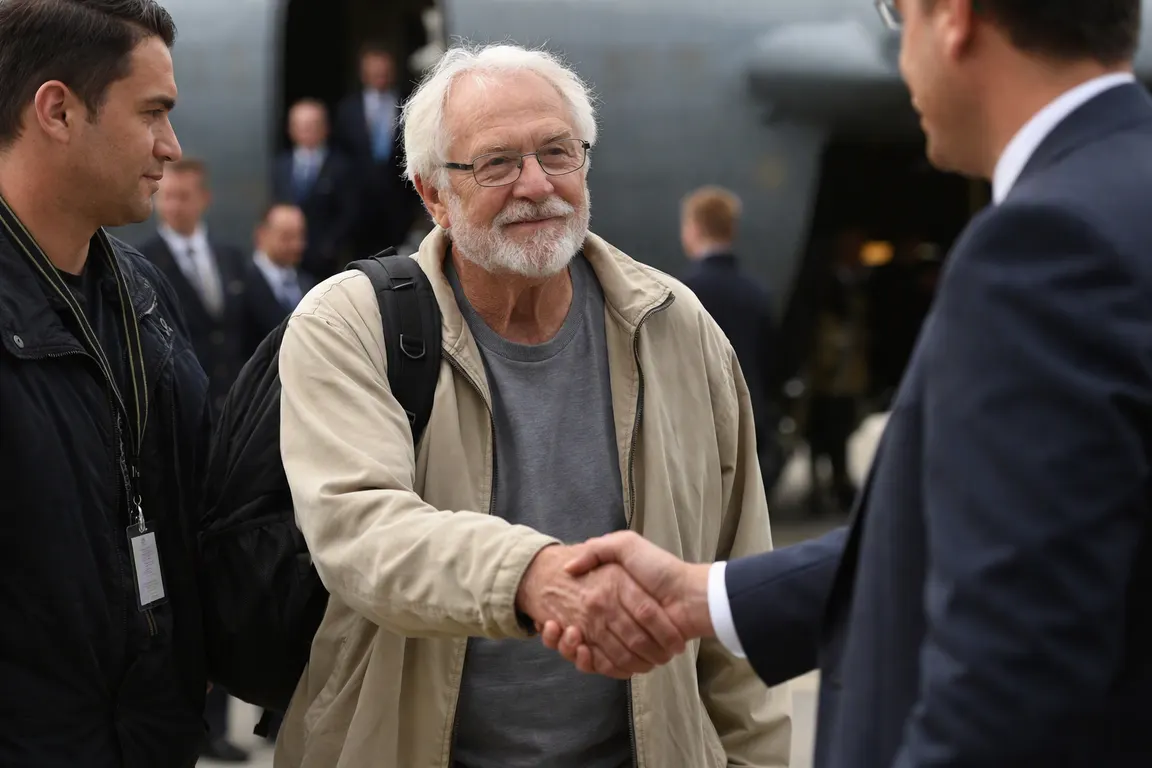
Russia said it would free Stephen James Hubbard, a 74‑year‑old retired Michigan teacher, on Oct. 21, 2026. The announcement followed a back‑channel meeting between U.S. envoy Steve Witkoff and President Vladimir Putin in St. Petersburg.
Hubbard had been captured in Ukraine in 2022, transferred to Russian custody and sentenced on mercenary‑related charges. He was the only American the State Department listed as “wrongfully detained” in Russia. For more than four years the U.S. consulate provided consular assistance, but no public negotiations were disclosed.
The release coincided with a flurry of diplomatic activity. On Oct. 18, former President Donald Trump said he was pressing Putin for Hubbard’s freedom. Two days later, Witkoff met Ukrainian President Volodymyr Zelensky in Oslo to discuss peace‑building measures. The next morning he sat down with Putin, who announced Hubbard’s release. The former teacher was escorted to Pulkovo Airport and flown back to the United States. Trump thanked Putin on his Truth Social platform, noting the United States gave “nothing in return.”
Both governments framed the move as a humanitarian gesture. Russian state media called the Witkoff‑Putin dialogue “productive.” No new sanctions relief or policy shift was announced alongside the release, and analysts caution against reading the event as a direct quid‑pro‑quo for ongoing diesel‑trade talks.
The episode underscores how personal diplomacy can yield concrete results even when broader policy changes remain tentative. For families of Americans held abroad, it reaffirms the State Department’s commitment to consular assistance and quiet diplomatic pressure. For policymakers, the case may encourage further back‑channel engagement as a tool to de‑escalate tensions while larger issues—Ukraine peace talks, energy cooperation, and sanctions—remain unresolved.
Experts note that Russia has used detainee releases as bargaining chips in past negotiations. The absence of an accompanying sanctions adjustment suggests the release signals a modest thaw rather than a wholesale reversal of punitive measures imposed after Russia’s invasion of Ukraine.
U.S. officials are now watching to see whether the goodwill generated by Hubbard’s freedom can be leveraged into progress on stalled Ukraine peace initiatives or the proposed diesel‑trade framework. Observers will look for any formal statements from the State Department or Treasury that might indicate a shift in the sanctions regime, as well as for further meetings between Witkoff, Russian officials and Ukrainian leaders.