

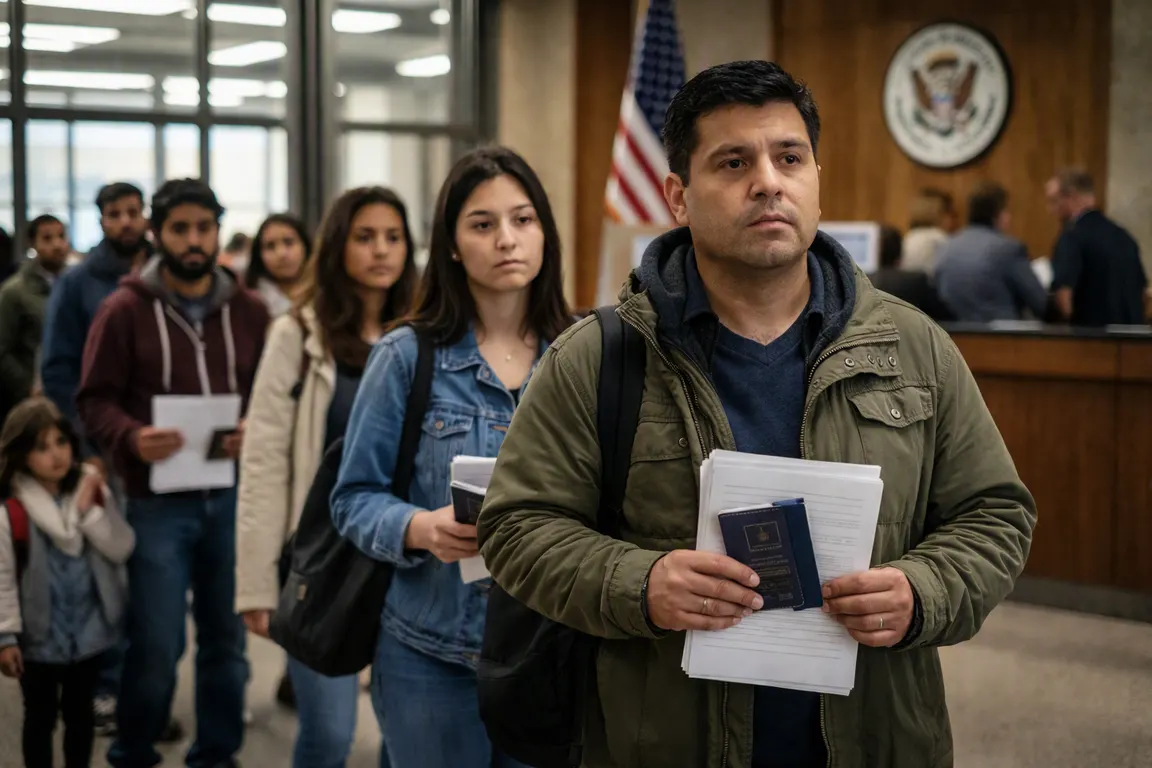
WASHINGTON — The State Department announced on Monday a plan for a visitor visa revocation asylum policy that could cancel as many as 200,000 B‑1 business and B‑2 tourist visas issued to people who have filed asylum applications. The proposal would be the largest single revocation of visitor visas in U.S. history.
The administration says the move targets visas issued between 2016 and 2026 that it views as a loophole allowing asylum seekers to remain in the country after their short‑term visas expire. Under the plan, any holder of a B‑1 or B‑2 visa who has a pending or decided asylum case would see the visa automatically nullified.
The State Department said it is working with the Department of Homeland Security to identify the affected visas. No timeline for implementation, notification or appeal procedures was provided.
Legal‑aid groups warned that the lack of a clear appeals process could flood immigration courts with motions to preserve status, straining an already overburdened system. Critics also argue the policy raises constitutional due‑process concerns because visa holders could lose legal status without prior notice or a hearing.
Industry associations noted that many asylum seekers work in agriculture, hospitality and other labor‑intensive sectors. Removing their legal status could create short‑term staffing gaps in regions that rely on seasonal workers. Community leaders in cities with large immigrant populations said families could face sudden displacement, with knock‑on effects on housing, schools and social services.
The proposal arrives amid a broader immigration agenda that has emphasized stricter enforcement and tighter controls on legal pathways. Officials framed the revocation as a tool to prevent “visa shopping,” but the administration has not detailed how the rule will be enforced or how individuals can contest a cancellation.
Immigration advocacy groups said they will monitor the rollout and consider legal action if the policy proceeds without clear safeguards. The absence of a public rulemaking process leaves the plan vulnerable to challenges in court.
Lawmakers and immigration judges are expected to weigh in as the proposal moves forward. The State Department has not set a rollout schedule, and it has not explained how affected visa holders will be notified. The outcome of any pending litigation could determine whether the mass revocation proceeds as described or is altered to address procedural concerns.
If implemented, the policy would reshape the asylum pipeline, potentially forcing courts to address a wave of challenges and altering the labor market in sectors that depend on migrant workers.