

Prime Minister Pedro Sánchez announced a snap general election for Sunday, 29 November, after parliament rejected two emergency housing measures on Friday. The vote, called less than three weeks after the defeat, turns the stalled rent‑control agenda into a national referendum on how Spain will address a deepening housing crisis.
Sánchez’s minority government lacks a parliamentary majority and has been unable to pass legislation aimed at curbing soaring rents and protecting tenants from evictions. By framing the contest as a choice between a far‑right coalition and continued progressive governance, the premier has placed housing policy at the centre of his political calculus, forcing all parties to confront public anger, market uncertainty and upcoming EU election dynamics.
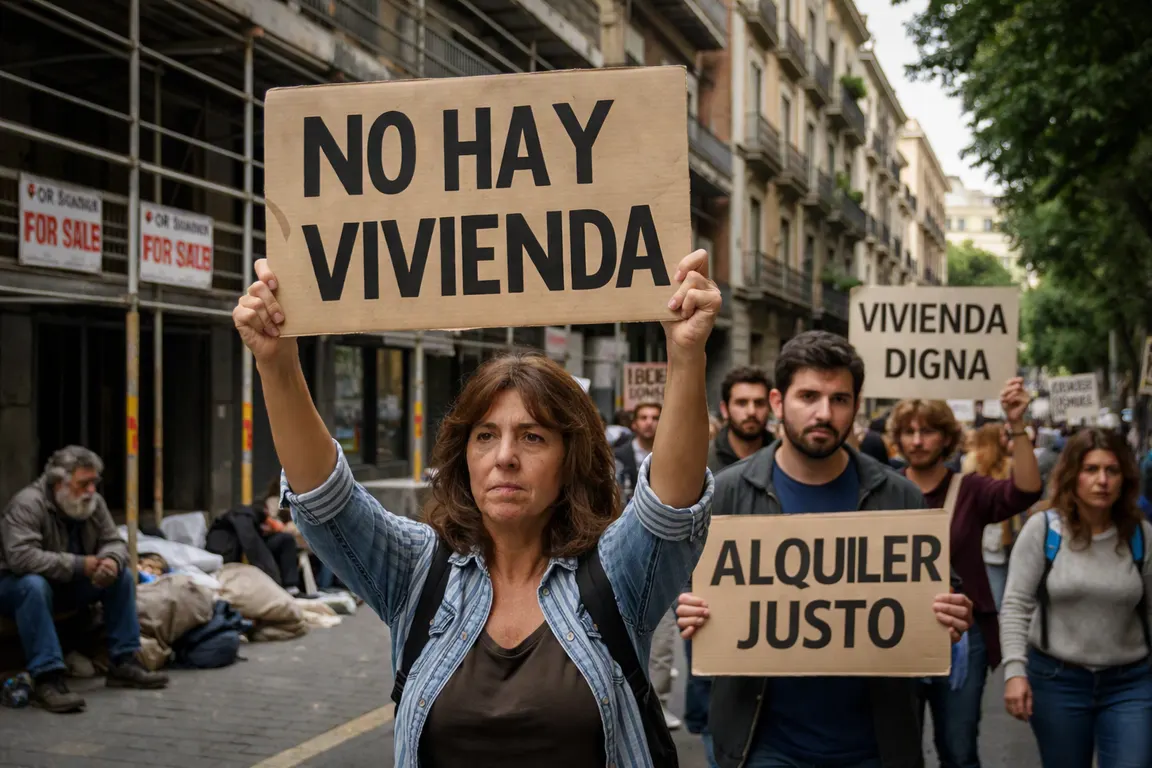
Housing affordability has become a flashpoint across Spain. Rents have risen sharply in major cities, and a series of high‑profile evictions – including the recent forced removal of an elderly resident in Madrid that received extensive BBC coverage – have sparked street protests and amplified calls for state intervention. The two measures rejected on 8 November would have introduced temporary rent caps in the most pressured markets and granted courts broader powers to halt evictions during the emergency period. Lawmakers from the People’s Party (PP) and several centrist groups voted against the proposals, arguing that the decrees overstepped executive authority and could destabilise the rental market.
The PP welcomed the election, releasing a campaign video set to the EU anthem and positioning itself as a credible alternative to Sánchez’s administration. No other party has announced coalition talks or offered concrete policy concessions, leaving the housing narrative largely unclaimed. Analysts note that the outcome could reshape Spain’s fiscal outlook and its stance in forthcoming EU negotiations, particularly on climate and economic reforms that intersect with housing policy.
For renters and low‑income households, the immediate implication is continued exposure to high rents and the risk of eviction. Tenant organisations warn that a prolonged legislative deadlock will erode confidence in the system and push more households into precarious housing. Real‑estate investors and landlords, meanwhile, face uncertainty about future regulatory frameworks. A new government that adopts stricter rent controls could dampen investment returns, while a more market‑friendly administration might leave the crisis largely unaddressed.
Political parties are now forced to integrate housing into their campaign platforms. The PSOE is likely to stress its commitment to progressive rent‑control measures, while the PP may argue for market‑based solutions and stronger property‑rights protections. Smaller parties, such as Unidas Podemos and Vox, could seek to capture niche voter segments by emphasizing deeper social safeguards or tougher law‑and‑order approaches to illegal evictions.
Economically, the election could influence Spain’s fiscal trajectory. Tighter rent regulation might require additional public spending to subsidise vulnerable households, affecting the national deficit. Conversely, a government that prioritises deregulation could attract investment but risk social backlash. Both scenarios have implications for Spain’s negotiations with the European Union, where fiscal discipline and social cohesion are key benchmarks.
As the campaign season unfolds, ordinary Spaniards are watching closely. Renters in Barcelona, Madrid and Valencia have organised demonstrations demanding swift action, while some landlords have warned of a potential exodus of investment if restrictive policies are enacted. The public debate reflects a broader question: whether the snap election will deliver a decisive mandate capable of breaking the current policy impasse or simply prolong the uncertainty that has already left many households in limbo.
The election will take place on 29 November. Voters will decide whether the next administration can forge a workable solution to the housing crisis or whether the stalemate will persist, leaving the issue to be revisited in the next parliamentary session and possibly in the upcoming EU elections.