

Singapore cabinet salary increase sparks inequality debate
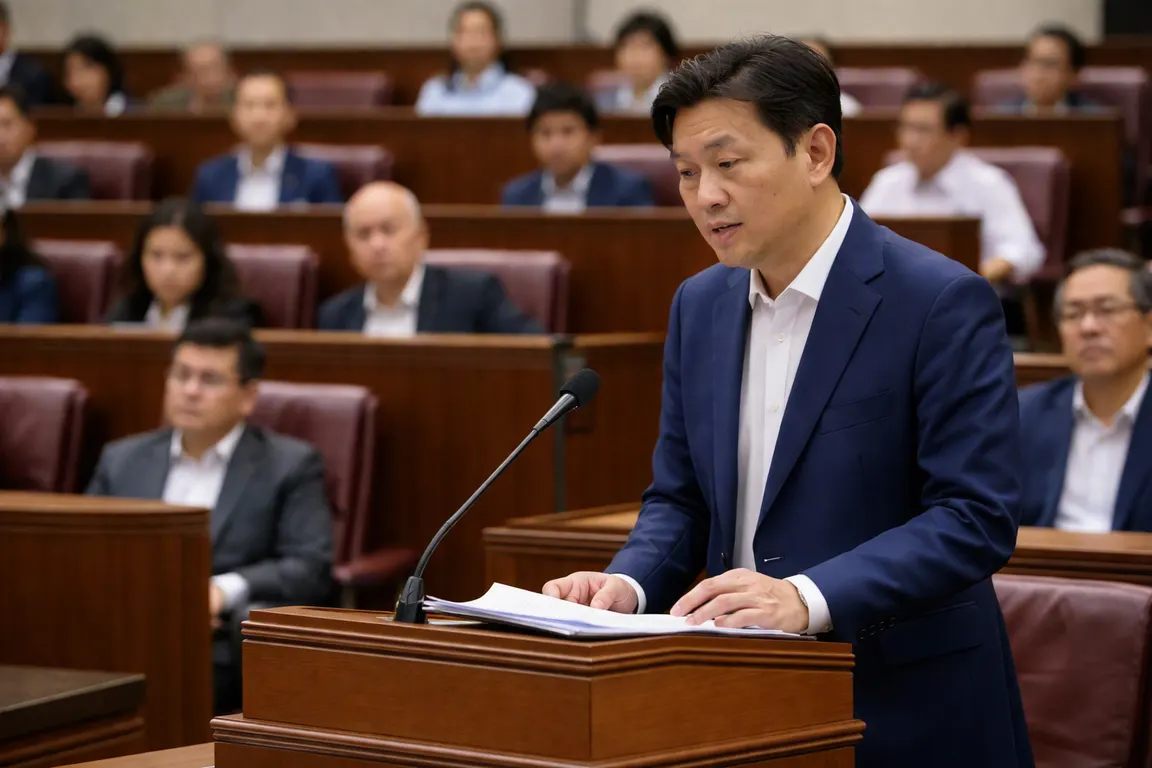
Prime Minister Lawrence Wong told Parliament on Tuesday that the benchmark salary for the premier will rise from S$2.2 million to S$3.6 million a year, an increase of about S$1.4 million. The Singapore cabinet salary increase makes the top political post the highest‑paid in the world on a comparable basis.
Under the new structure the deputy prime minister’s benchmark will climb from S$1.87 million to S$3.06 million, while cabinet ministers will see salaries ranging from S$1.80 million to S$2.88 million, depending on seniority and portfolio weight. The adjustments represent more than a 60 % increase over previous levels, the largest change in 15 years. Current office‑holders will receive a one‑off increase of up to 9 % starting 15 October, calibrated on individual performance and other factors.
The government links the raise to a performance‑based review and says the extra amount will be donated to “suitable good causes.” Officials argue that generous remuneration attracts talent, reduces the lure of corruption and aligns incentives with public service. Singapore regularly ranks among the world’s least corrupt nations, and policymakers contend that higher pay helps preserve that record.
Critics point to the contrast between the new top salary and the median monthly wage of roughly S$4,500, a gap that has widened despite overall economic growth. While the government has not released an official median‑wage figure in its announcement, the disparity is evident and fuels public resentment. Taxpayers will fund the higher salaries through the national budget, raising questions about fairness.
The policy could affect future political aspirants. A more lucrative compensation package may broaden the pool of candidates willing to enter public service, potentially enhancing the diversity of expertise in government. At the same time, perceived elitism could erode trust in a system praised for its efficiency and low corruption.
Investors and companies monitor political stability closely; any backlash could influence consumer confidence and investment decisions. The next performance‑based salary review is scheduled for later this year and will determine whether the benchmark levels remain or are adjusted again. Parliament is expected to debate the one‑off 9 % increase before it takes effect on 15 October, giving opposition members and civil‑society groups a chance to raise concerns.
How the public reacts to the pledge of charitable donations and whether the higher pay translates into measurable improvements in governance will shape the narrative in the months ahead.