

Senate Rejects War Powers Resolution on Iran Operations
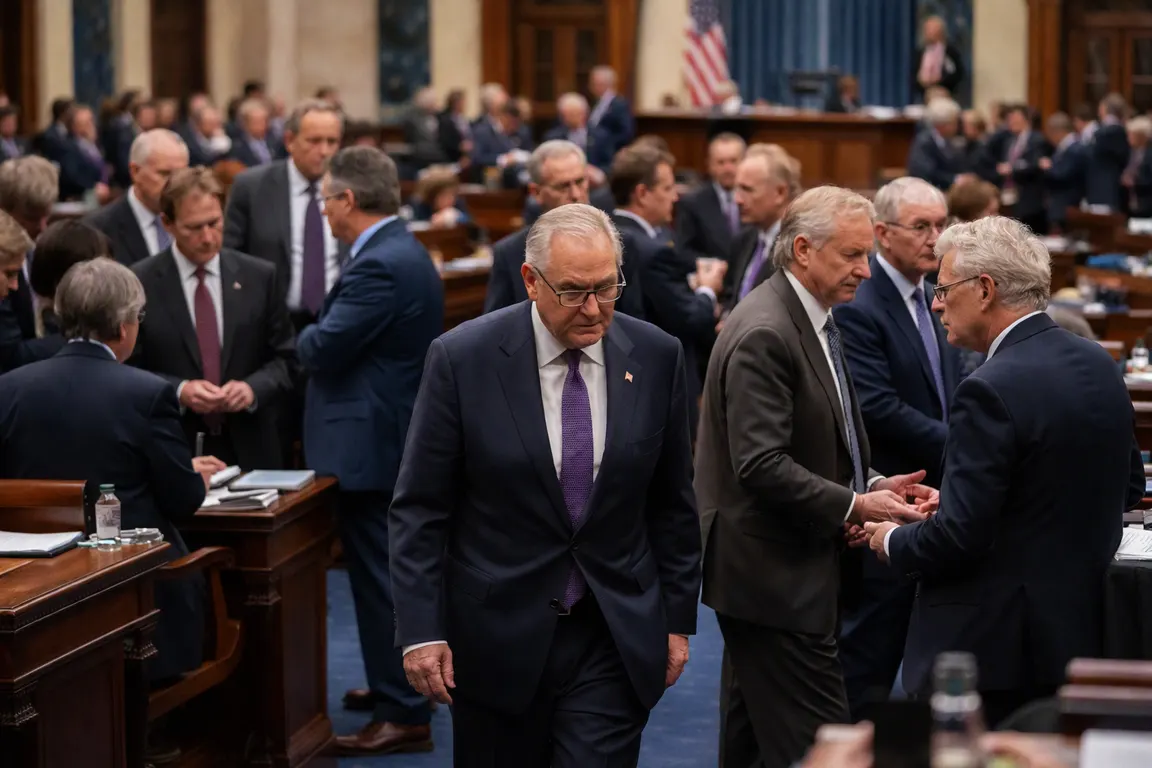
The Senate voted 49‑50 on Tuesday to reject the bipartisan Senate war powers resolution that would have limited the president’s authority to conduct military operations against Iran, leaving the existing war‑powers in place as the conflict entered its 200th day.
The measure had passed the House the week before with bipartisan support, but all but one Democratic senator voted for it in the upper chamber. Pennsylvania’s John Fetterman was the sole Democrat to break ranks; no Republican crossed party lines.
The resolution, first approved by the House in July and reintroduced in August after the conflict surpassed 200 days, invoked the War Powers Resolution to force a floor vote. Its sponsors argued that continued presidential authority without fresh congressional authorization undermines the constitutional balance of war‑making powers and that the lack of a clear exit strategy warrants legislative restraint.
Opponents warned that imposing limits now could hamper ongoing operations aimed at deterring further Iranian aggression and could send mixed signals to regional allies. They also stressed the need to maintain flexibility as the United States seeks to contain a volatile situation.
The vote comes weeks before the 2024 midterm elections. In swing districts across Pennsylvania, Ohio and Florida, Republicans are wary of appearing soft on national security, while Democrats must frame the resolution as a necessary check without seeming weak on defense after the loss of 19 American service members.
With roughly 1,000 U.S. troops still deployed and 19 service members killed, the decision has immediate implications for military families and the defense industry. Continuation of the operation sustains demand for defense contracts worth billions of dollars and keeps procurement pipelines active for manufacturers nationwide. Analysts note that any shift toward de‑escalation could affect defense‑sector earnings and, if the conflict expands, global oil markets.
The Senate’s rejection does not change the current rules of engagement; the president retains full authority to direct operations until Congress takes further action. Lawmakers on both sides signaled that the issue will likely resurface as the war drags on, with potential amendments or new legislation expected in the coming weeks.
As the midterms approach, the narrow vote underscores how electoral considerations can outweigh calls for tighter congressional oversight, leaving U.S. military posture toward Iran largely unchanged while families of the fallen await a clear path to resolution.