

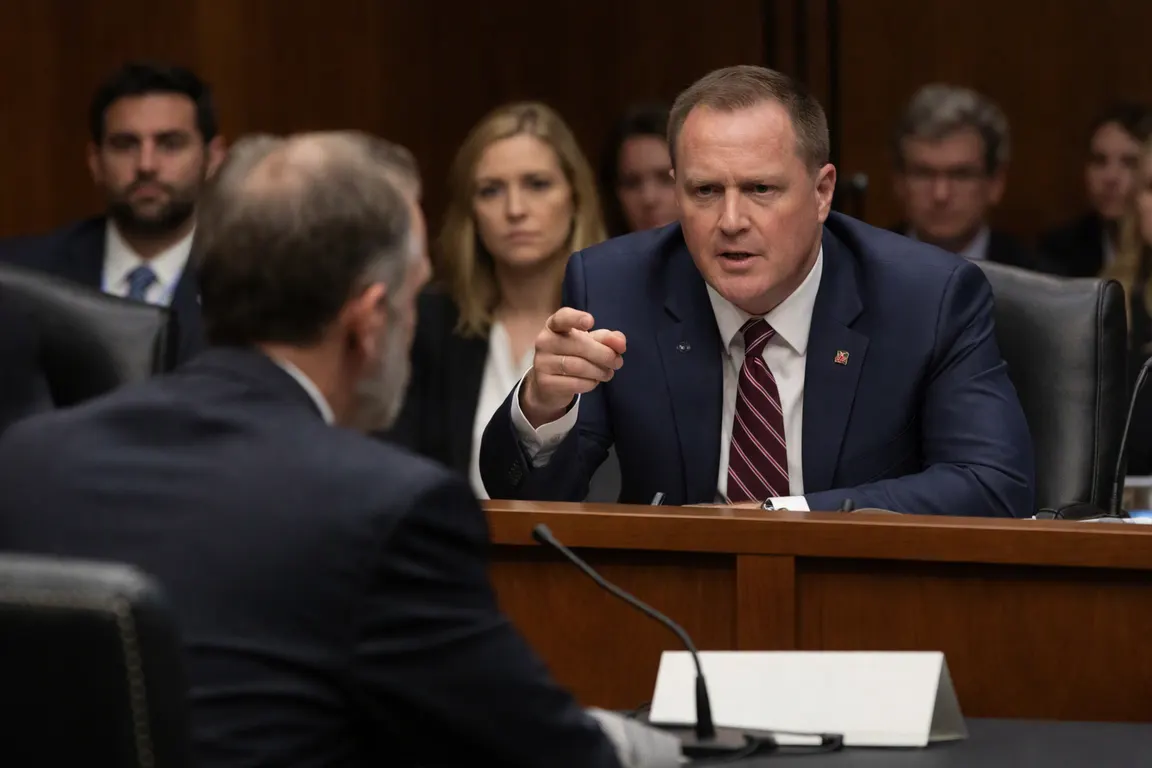
Senator Eric Schmitt (R‑Mo.) questioned Special Counsel Jack Smith during a Senate Judiciary hearing, mistakenly conflating the NBA’s Atlanta Hawks with the University of Iowa Hawkeyes. Schmitt framed the error as a potential perjury issue, suggesting Smith had lied about a meeting that, according to the senator, involved a discussion of “the Hawks versus the Hawkeyes.”
Smith rejected the premise, stating no sports reference was part of any official discussion and that the indictment of former President Donald Trump rests on a thorough review of evidence, not on any false testimony. The exchange, captured by NBC News and The Independent World, underscored the partisan intensity surrounding the Justice Department’s high‑profile investigations.
The hearing matters because it could shape how Congress oversees the special counsel’s authority in ongoing probes of Trump and related law‑enforcement conduct. Lawmakers are watching for signals about future oversight tools, while the public gauges the impartiality of federal investigations. Any shift in the balance between the legislative branch and the Justice Department could affect the resources and guidance available to prosecutors handling politically sensitive cases.
During the questioning, Schmitt also called Smith a “dirtbag,” a remark reported by The Independent World. NBC News focused on Smith’s defense of the Trump charge, highlighting the legal reasoning behind the indictment, while The Independent World emphasized the senator’s misstep and the insult, framing the moment as evidence of broader congressional frustration with the special counsel’s work.
The broader context includes the Justice Department’s ongoing investigations into actions taken by the former president and by law‑enforcement officials. No legislative or procedural changes were announced during the hearing, but the episode adds pressure on committee members who may seek additional subpoenas or tighter reporting requirements for the special counsel. Critics warn that such moves could jeopardize prosecutorial independence; supporters argue that robust oversight is essential for accountability.
Observers note that the incident does not alter the legal trajectory of the Trump indictment, but it raises questions about how future hearings will be conducted. Will senators pursue more aggressive lines of questioning that test the limits of the special counsel’s immunity? Will the Justice Department adjust its briefing strategies to anticipate partisan challenges? The answers remain unclear, and the committee is expected to reconvene for further testimony in the coming weeks.
The episode serves as a reminder that the interplay between law and politics can shape public confidence in the justice system. Whether the heightened rhetoric leads to substantive oversight reforms or merely fuels partisan posturing will likely be decided in the next round of hearings, where both the scope of the investigations and the mechanisms for congressional review will be examined anew.