

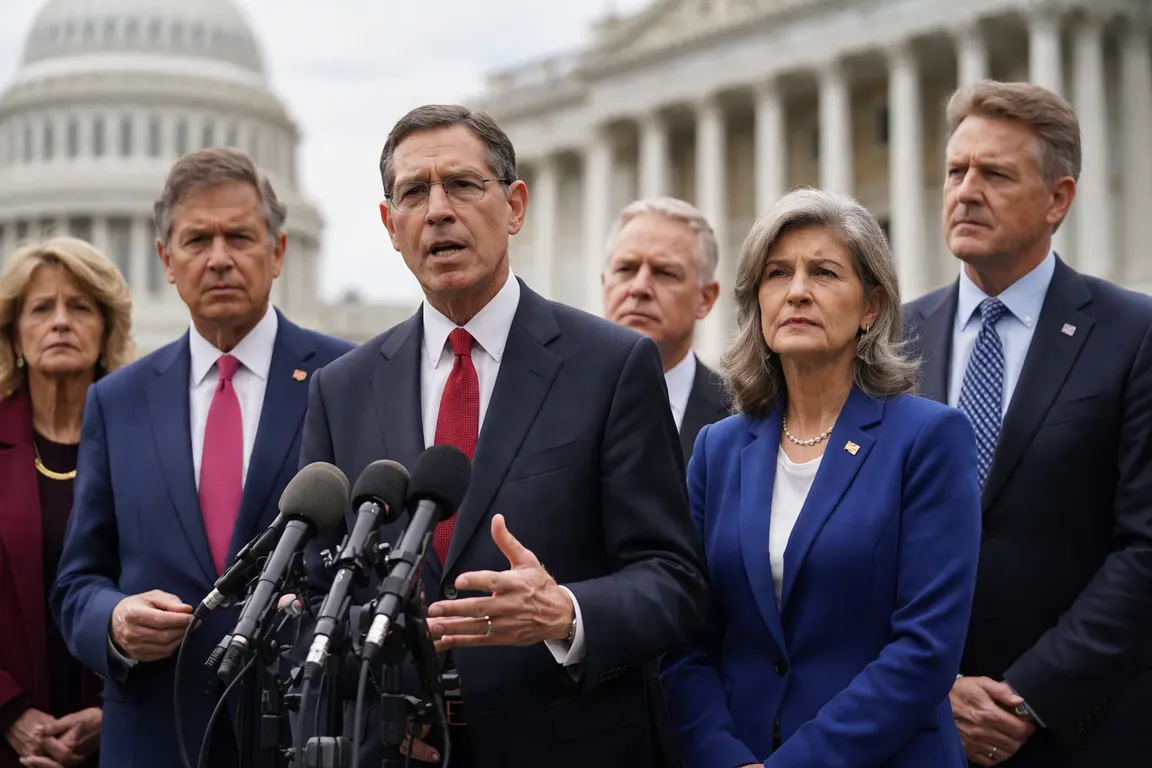
The White House on Oct. 12 authorized the import of Russian diesel through April 2027, prompting a bipartisan group of seven senators to claim the move violates a 2022 sanctions law that bars Russian energy imports unless Moscow withdraws from occupied Ukrainian territories. In a joint statement, the senators demanded an immediate reversal, and Republican Sen. Thom Tillis raised the legality of the deal on NBC’s Meet the Press the same day.
The dispute pits a presidential effort to ease record‑high fuel prices against a statutory ban intended to keep economic pressure on Russia amid its war in Ukraine. Diesel hit a September record of $6.53 per gallon, according to the American Automobile Association, $2.55 higher than a year ago. The administration argues that limited Russian diesel shipments will help motorists and trucking firms, while critics warn the revenue could fund Russia’s war effort and test congressional authority over sanctions.
The 2022 law, passed after Russia’s full‑scale invasion of Ukraine, prohibits any Russian energy product from entering the United States unless Russia withdraws from all occupied Ukrainian territories. The senators contend that the Treasury’s authorization effectively grants a waiver without congressional approval, citing the law’s language that “any import of Russian oil, natural gas, or refined products is prohibited” unless Congress lifts the ban. The administration frames the decision as part of President Trump’s “energy ceasefire” announced on Truth Social, saying the imports will lower domestic fuel costs and reduce reliance on other volatile markets.
The actual impact on gasoline and diesel prices remains uncertain. An analysis by The Independent World notes that the benefit could be modest, given the limited volume—described only as “hundreds of thousands of tons”—and the lack of transparent contractual terms. Treasury officials have not disclosed the exact shipment size or any conditions tied to Russia’s conduct in Ukraine, leaving policymakers without a clear metric to assess whether the imports will meaningfully offset the $2.55‑per‑gallon year‑over‑year increase.
Beyond price considerations, the deal raises national‑security concerns. Allowing Russian fuel into the U.S. market could undermine the broader sanctions regime that seeks to isolate Moscow financially. Ukrainian President Volodymyr Zelenskyy warned that easing sanctions “plays into Russia’s hands,” emphasizing the risk that additional revenue may prolong the conflict. At the same time, American drivers and logistics companies continue to grapple with high diesel costs that affect transportation expenses and, by extension, consumer‑goods prices.
Congress has several tools to intervene. Lawmakers could pass a resolution to block the Treasury’s authorization or amend the 2022 law to create a narrow exemption. They can also exercise oversight through hearings that compel the administration to disclose the deal’s specifics. The senators’ statement urges the White House to rescind the authorization while they explore legislative avenues.
The next step is likely a series of hearings in the Senate Energy and Natural Resources Committee, where officials will be asked to justify the “energy ceasefire” rationale and provide data on projected price effects. Until the administration offers concrete evidence that the imports will deliver measurable savings, the bipartisan coalition is expected to maintain pressure, framing the issue as both an economic relief measure and a test of the United States’ ability to sustain sanctions against a warring adversary.