

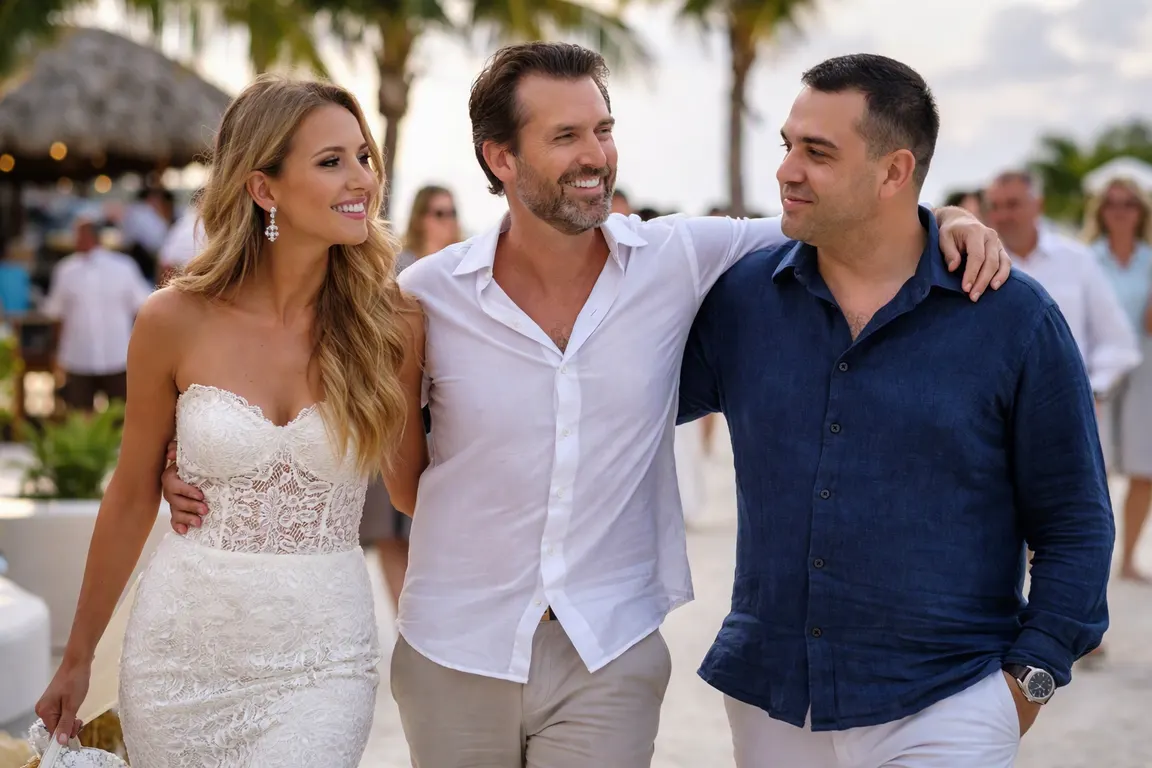
Donald Trump Jr. and his wife, Bettina Anderson, posted on Instagram on May 13, 2024, thanking Russian businessman Umar Kremlev for a Russian oligarch wedding gift that covered two nights of post‑wedding celebrations on private islands in the Bahamas. The post described Kremlev as a "dear friend" who "very generously hosted two incredible nights of celebrations for us after our wedding."
ProPublica, citing financial documents and interviews, estimates that Kremlev’s contribution ran into the hundreds of thousands of dollars, paying for island rentals, fireworks and other event expenses. The investigation has been referenced by NBC News, the BBC and the Manila Times.
The disclosure comes as U.S. officials and watchdog groups intensify scrutiny of foreign money flowing into American political circles. While Donald Trump Jr. does not hold federal office, his frequent involvement in political fundraising and campaign activities could bring the gift within the reporting requirements of the Federal Election Commission and the Foreign Gifts and Decorations Act, which mandates disclosure of foreign gifts exceeding $150.
Kremlev, president of the International Boxing Association and a recipient of Russia’s Order of Friendship, has documented ties to the Kremlin. He accompanied President Vladimir Putin on a diplomatic delegation to China in 2023 and appears on sanctions lists in several jurisdictions. Analysts note that personal hospitality has long been used as a tool of soft‑power outreach, and the timing of the gift—amid heightened Western sanctions on Russia—adds a geopolitical dimension.
The couple’s wedding was a private ceremony in the Bahamas in early May, followed by a three‑day celebration on two private islands that featured a fireworks display. The Instagram story thanked Kremlev for "hosting" the festivities but did not disclose a monetary value. No comment was obtained from Kremlev, the International Boxing Association or the Trump family at the time of reporting.
Ethics watchdogs and congressional committees that oversee foreign‑gift reporting have called for clarification. U.S. law requires public officials and certain political actors to disclose foreign gifts above the $150 threshold. Although Trump Jr. is not a federal officeholder, the size of the contribution and his political activities could trigger FEC reporting obligations.
Media coverage has varied in tone. NBC News and the BBC highlighted the Instagram acknowledgment as a "gift" and emphasized its personal nature, while the Manila Times focused on the financial estimate. All outlets cited the same primary sources—the Instagram post and ProPublica’s analysis—and reported no evidence of a quid‑pro‑quo arrangement.
The episode underscores a broader pattern of Russian elites seeking informal channels to influence perceptions in the United States. Whether the celebration will prompt formal investigations remains uncertain, but the combination of a high‑profile political family, a sanctioned Russian figure and a sizable, undisclosed financial contribution is likely to attract further scrutiny from the Department of Justice and congressional oversight bodies.
The key unanswered question is how U.S. authorities will apply existing foreign‑gift rules to a private celebration involving a political figure with ongoing public influence. The outcome could set a precedent for how similar gifts are treated, shaping compliance expectations for political families and the broader debate over foreign influence in American public life.