

Russia Duma election 2024: first vote in annexed territories
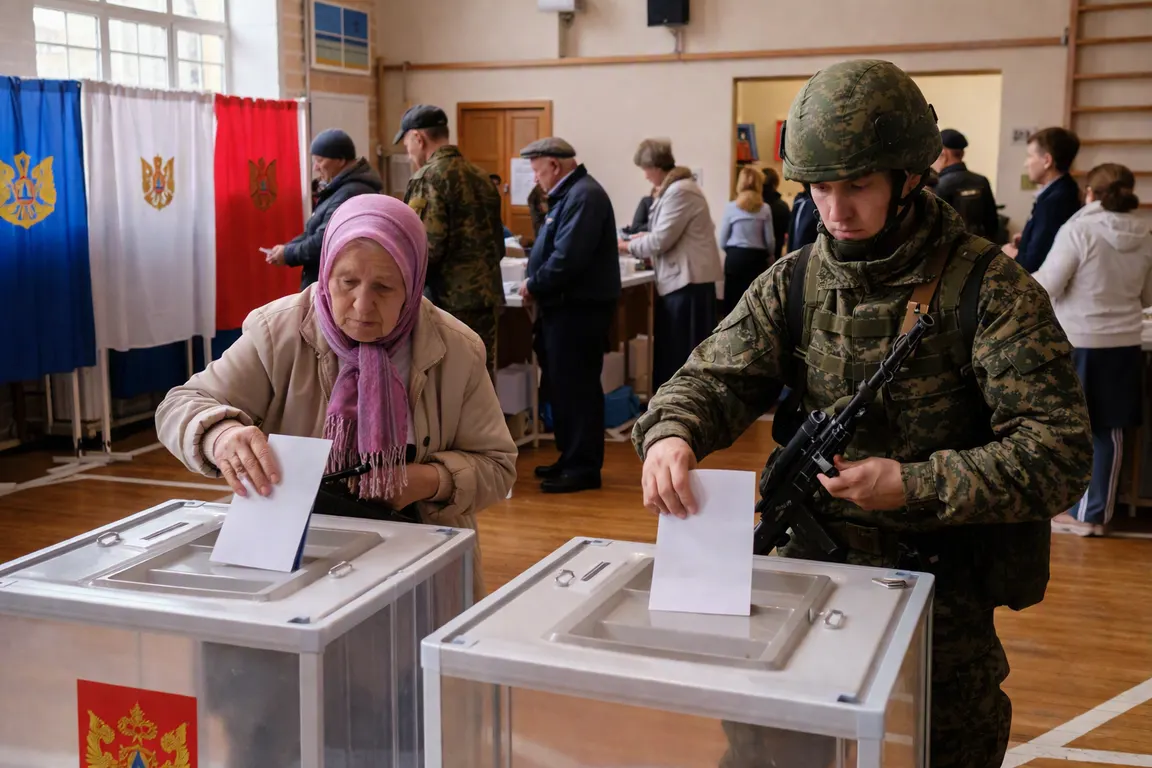
Voting began Friday, September 13, and will run through Sunday, September 15, in the Russia Duma election 2024. All 450 State Duma seats are on the ballot, including those in the Ukrainian territories Moscow annexed after the 2022 invasion.
The election is a litmus test for domestic support of the war now in its fifth year and for President Vladimir Putin’s political grip. Kremlin officials say the vote shows national resilience after recent Ukrainian drone strikes on the Moscow region, but analysts note the process is tightly managed to produce a predetermined outcome.
United Russia, the ruling party linked to Putin, is the only bloc expected to secure a majority. The other parties on the ballot – the Communist Party, the Liberal Democratic Party, A Just Russia and New People – have all publicly endorsed the war effort, leaving no organized opposition. The liberal Yabloko party was barred from registration, and leading anti‑war activist Alexei Navalny died in prison earlier this year, further narrowing political choice.
Election officials have deployed security forces and strict media controls to limit public debate. Protests are prohibited, and critics of the war face imprisonment, a pattern documented by human‑rights monitors. In the annexed Ukrainian territories, voting stations operate under military control; The Independent described the situation as being held at gunpoint, a characterization not echoed by the BBC or the Wall Street Journal, which focus on logistical control rather than overt coercion.
Turnout figures remain unverified. Russian authorities typically report high participation in past elections, but Western observers say the process is managed and predictable, noting that the result is known in advance. Without independent monitoring, it is difficult to separate genuine voter enthusiasm from pressure to endorse the state narrative.
The election’s outcome could shape the Kremlin’s next steps in the war. If United Russia retains a strong mandate, officials may feel emboldened to expand mobilization or introduce new economic measures to sustain the conflict. Conversely, a lower‑than‑expected vote share – should credible data emerge – could prompt a recalibration of military strategy or domestic messaging. Analysts stress that any policy shift would directly affect draft‑eligible men and their families, already bearing the cost of prolonged conscription.
International businesses are watching the vote for clues about policy stability. Ongoing sanctions and the war’s economic toll have strained Russia’s financial system; a predictable political environment may reassure some investors, while evidence of domestic dissent could heighten risk assessments.
Results are expected on Monday, with the Kremlin likely framing them as proof of popular backing for the war and for Putin’s leadership. The next phase will be to see whether the vote is used to justify further military actions or to shore up the domestic narrative amid mounting external pressure.