

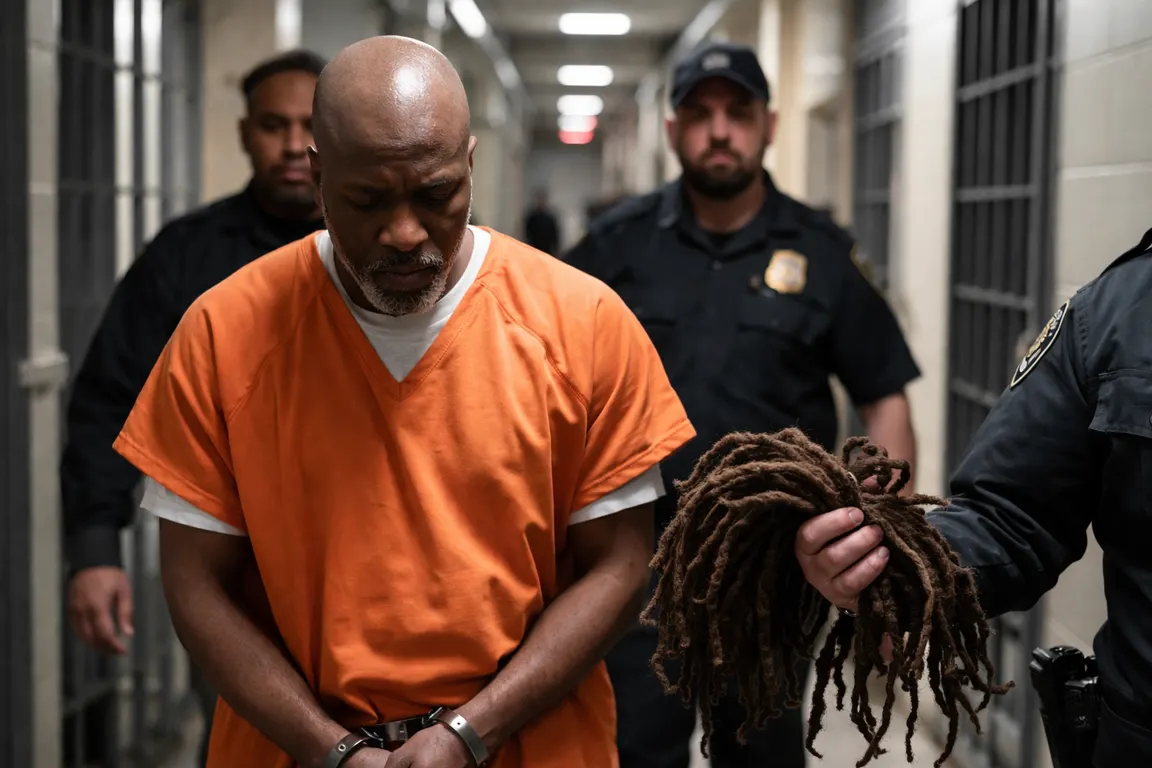
The US Supreme Court has ruled 6-3 against a Rastafarian inmate's lawsuit over his forcibly shaved dreadlocks in a Louisiana prison. The man had grown his hair for over 20 years as part of his faith. The Supreme Court's decision highlights the tension between prisoners' religious rights and the authority of prison officials.
The Rastafarian faith, rooted in 1930s Jamaica, emphasizes the importance of dreadlocks as a symbol of spirituality. The incident occurred when the man's dreadlocks were forcibly shaved off by prison guards, prompting him to bring a lawsuit under a federal law designed to protect incarcerated people from religious discrimination.
The court refused to let the man sue state prison officials, according to BBC News. This decision reflects the balance between prisoners' religious rights and prison security concerns, as noted by The Guardian. The implications of the Supreme Court's ruling are significant, with potential consequences for prison officials and policies regarding religious accommodations.
The ruling sets a new precedent for the balance between prisoners' rights and the authority of prison officials, as reported by The Independent. The next step will be to see how prisons and correctional facilities respond to this ruling, particularly in terms of accommodating the religious practices of inmates. This decision raises questions about the limits of religious freedom in correctional facilities and how they will be addressed in the future.
The Supreme Court's decision affects Rastafarian prisoners and potentially other prisoners with religious beliefs that involve specific grooming practices. As prison officials and policymakers consider the ruling's implications, they will need to weigh the competing interests of prisoner rights and facility security. The outcome of this process will have significant consequences for the balance between religious freedom and authority in correctional facilities.