

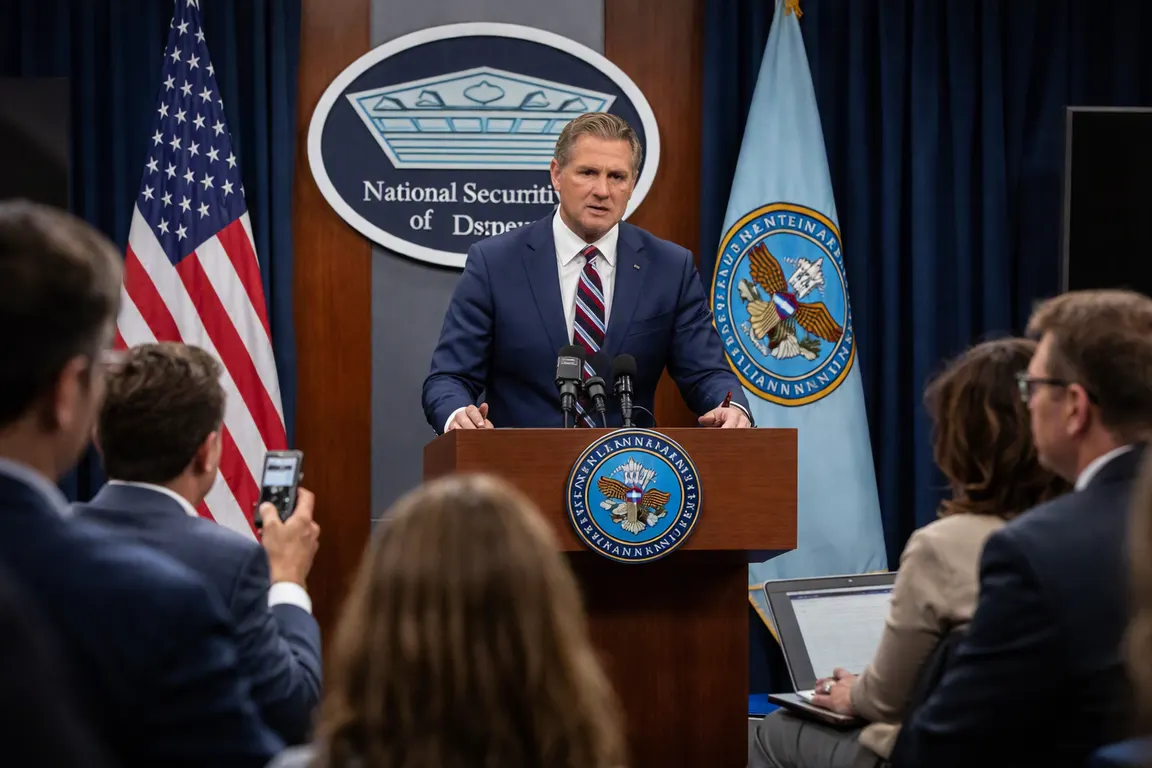
The Department of Defense announced Friday that Confucius Institutes at 30 U.S. universities pose a national‑security threat, and that 80 covert "propaganda cells" have been dismantled. Defense Secretary Pete Hegseth delivered the briefing in a video statement, saying the identified centers were shut down within the past two months.
The move marks the latest escalation in Washington’s effort to curb perceived Chinese influence in higher education. By moving from academic scrutiny to direct federal action, the Pentagon is treating the institutes as potential tools for the Chinese Communist Party to conduct propaganda, intellectual‑property theft, or ideological influence.
According to the DoD, the 80 cells used aliases that concealed any link to the Chinese government. The department did not disclose how the cells were identified, and the claim appears only in reports by Al Jazeera, The Guardian and the Manila Times, each echoing Hegseth’s remarks without independent verification. No campuses were named, and the statement did not cite any legislative or regulatory authority that would allow the Defense Department to order shutdowns of programs housed on private university property.
The immediate impact falls on students and faculty at the affected schools. Many campuses host Confucius Institutes that provide Chinese language courses, cultural events and scholarship opportunities. Their abrupt closure could leave a gap in language instruction, disrupt ongoing research collaborations and force universities to reallocate administrative resources to comply with a federal directive. University administrators have not responded publicly, and the Confucius Institute program has not issued a comment, leaving the scope of the action unclear.
Policy analysts note that the Pentagon’s authority to label and dismantle academic programs is limited. While the DoD can issue guidance to its own installations, extending that reach to civilian institutions typically requires coordination with the Department of Education or the Office of the Attorney General. The lack of a cited legal framework raises questions about how the shutdowns were enforced and whether universities faced penalties for non‑compliance.
The episode underscores the broader strategic rivalry between the United States and China. As Washington tightens controls on foreign‑funded entities, academic‑freedom advocates warn that heightened security measures could stifle open exchange and marginalize legitimate cultural programs. Lawmakers are expected to request a detailed report on the criteria used to identify the alleged cells and the legal basis for the shutdowns.
Until more information is released, universities, students and policymakers will be left navigating an uncertain landscape where national‑security concerns intersect with the traditional autonomy of higher education.