

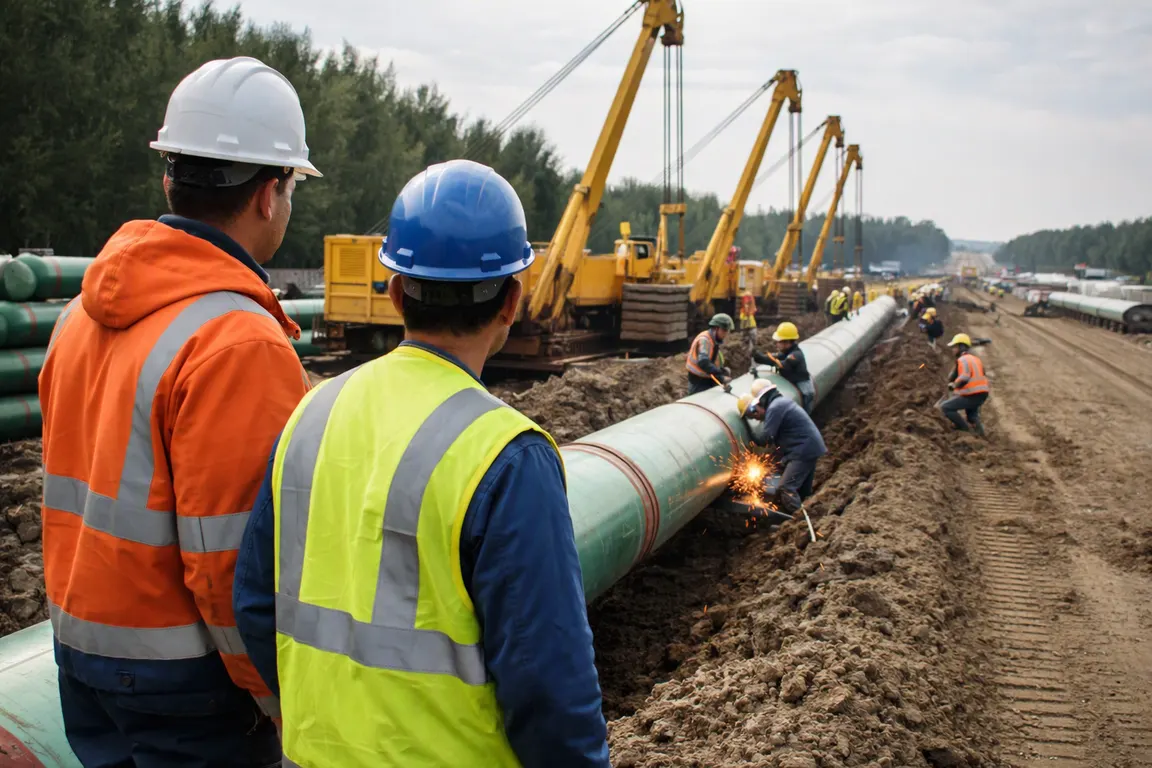
The federal government on Tuesday designated a proposed crude‑oil pipeline a “project of national interest,” creating an oil pipeline fast track that triggers a single‑agency review and could speed regulatory approval.
The move comes as Alberta prepares for a public vote on Oct. 19 that will decide whether to launch a referendum on seceding from Canada. Officials say the fast‑track is intended to give the province an export route that reduces reliance on U.S. markets and diversifies revenue sources ahead of the vote.
Prime Minister Justin Trudeau announced the designation, noting that consolidating environmental, safety and Indigenous consultations under one federal body should shorten the normally lengthy permitting timeline. Under the “project of national interest” label, the pipeline bypasses the usual multi‑agency process, allowing a single agency to issue decisions on the full suite of regulatory requirements.
Supporters argue that a direct route to the Pacific would give Alberta producers access to Asian markets, cutting the need to ship crude through the United States. Industry groups estimate the new export option could boost provincial revenues and create construction and operating jobs, though the government has not released specific employment figures.
Indigenous communities along the proposed corridor have not been quoted, and the source material provides no details on pending environmental assessments or consultation outcomes. Critics warn that the accelerated process could limit the time available for meaningful engagement, a concern that remains unresolved as the review proceeds.
The political context is shaped by growing separatist sentiment in the province. A recent Independent World report linked the referendum push to frustration over perceived neglect by the federal government. By foregrounding a major infrastructure project, Ottawa appears to be offering a tangible economic incentive to keep Alberta within Canada.
From a national perspective, the pipeline could shift a portion of Canada’s oil export flow away from the United States, potentially reducing American demand for Canadian crude. Analysts note that such a shift would also affect U.S. exporters who currently benefit from cross‑border oil trade, though the scale of that impact is uncertain without capacity data.
While the fast‑track removes procedural duplication, the review still must address standard environmental standards and any legal challenges that may arise. The lack of publicly disclosed details about the route, investors or cost leaves observers with an incomplete picture of the project’s overall footprint.
As the federal review moves forward, stakeholders—including Alberta’s oil sector, local municipalities and Indigenous groups—will watch for the first formal decision. That decision is expected before the Oct. 19 vote, meaning the pipeline’s regulatory fate could become a factor in the public’s deliberations on secession.
The next step is a consolidated assessment by the designated federal agency, which will issue recommendations on permitting, environmental compliance and Indigenous consultation. Whether those recommendations translate into final approval, and how they will influence the upcoming referendum, remain open questions that will shape Canada’s economic and political landscape in the months ahead.