

Ohio Republican candidate Vivek Ramaswamy’s television Ramaswamy ad featuring the estranged mother of former state health director Amy Acton has sparked a public dispute within the state GOP.
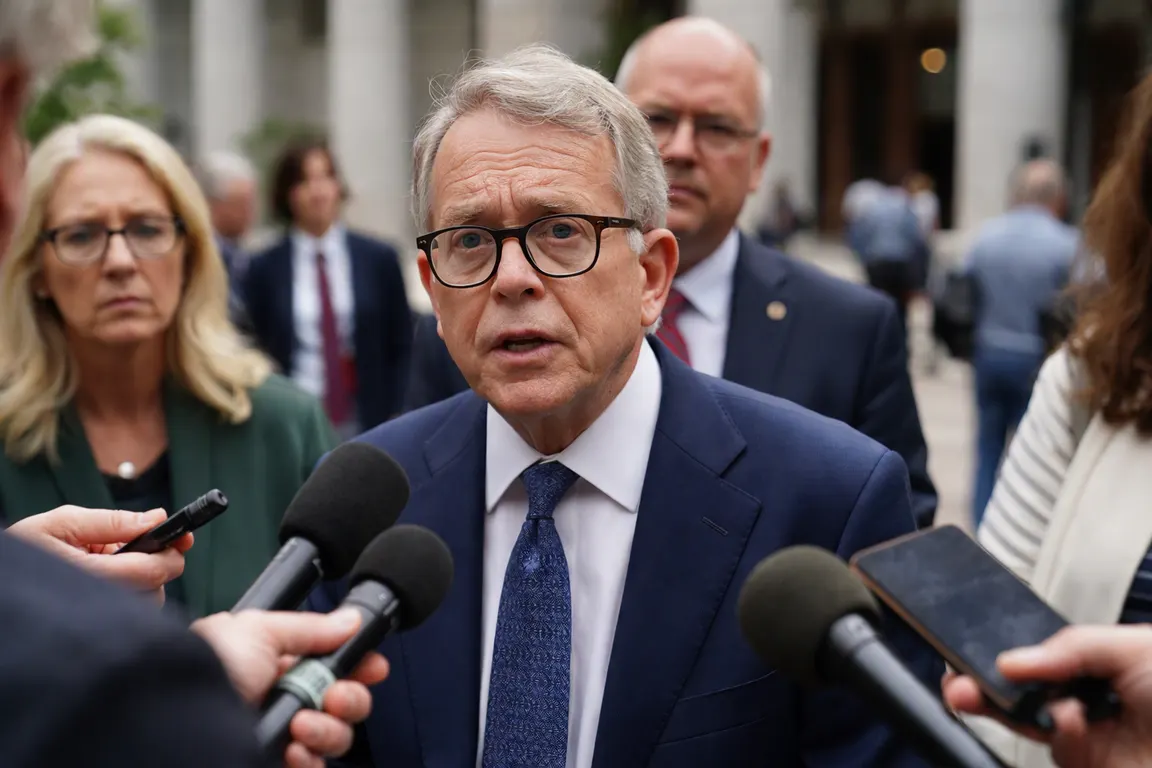
Governor Mike DeWine called the spot “deeply troubling” on Thursday and urged Ramaswamy to pull it, saying the personal attack crossed a line of decency and could alienate voters who expect a higher standard of discourse.
Ramaswamy’s campaign released the ad in the final weeks of the gubernatorial race. It shows Acton’s mother speaking about her daughter’s personal challenges and labels Acton “defective, dishonest, and incapable.” NBC News and The Guardian reported the footage was obtained without Acton’s consent and that the mother is estranged from her daughter. The ad frames the criticism as a character attack intended to undermine Acton’s credibility on public‑health issues.
Former President Donald Trump defended the ad on his social‑media platform, writing, “Vivek should keep it up, and let everyone listen to the mother of a defective, dishonest, and incapable candidate.” Trump framed the spot as legitimate criticism and accused DeWine of betraying the party’s base. Several Trump‑aligned accounts echoed the sentiment, arguing that aggressive messaging is necessary to defeat Democrats in swing states.
Republican commentator Scott Jennings told CNN the ad could “blow up” for the party. He noted that personal‑family narratives often backfire when voters see them as invasive or irrelevant to policy. Jennings’ warning highlights a growing divide among GOP strategists: some favor hard‑line tactics, while others stress the importance of a unified, respectable image ahead of the November ballot.
The clash underscores a broader tension within the Ohio GOP. The party establishment, represented by DeWine, seeks to avoid tactics that could erode public trust. The Trump‑aligned faction pushes for relentless attacks to mobilize the base. Ohio, a key battleground, has already seen heightened scrutiny of campaign conduct, and the ad’s focus on a family member raises ethical questions about privacy and the limits of political persuasion.
For voters, the controversy may prompt a reassessment of candidate character and campaign standards. If the ad is perceived as an unjust intrusion, it could dampen enthusiasm among moderate Republicans and independents. Conversely, supporters who prioritize a hard‑line stance on health‑policy criticism may view the governor’s objection as a sign of weakness.
The Ramaswamy campaign has not indicated any change to its strategy in response to the criticism. No legislative or regulatory action has been announced, and the Ohio Secretary of State has not opened an investigation into the ad’s content.
As the election approaches, Ohio Republicans face a choice: continue a strategy that leans on personal attacks or pivot toward a more restrained approach that seeks broader appeal. How the party resolves this internal conflict could shape not only the governor’s race but also the national conversation about acceptable campaign tactics.