

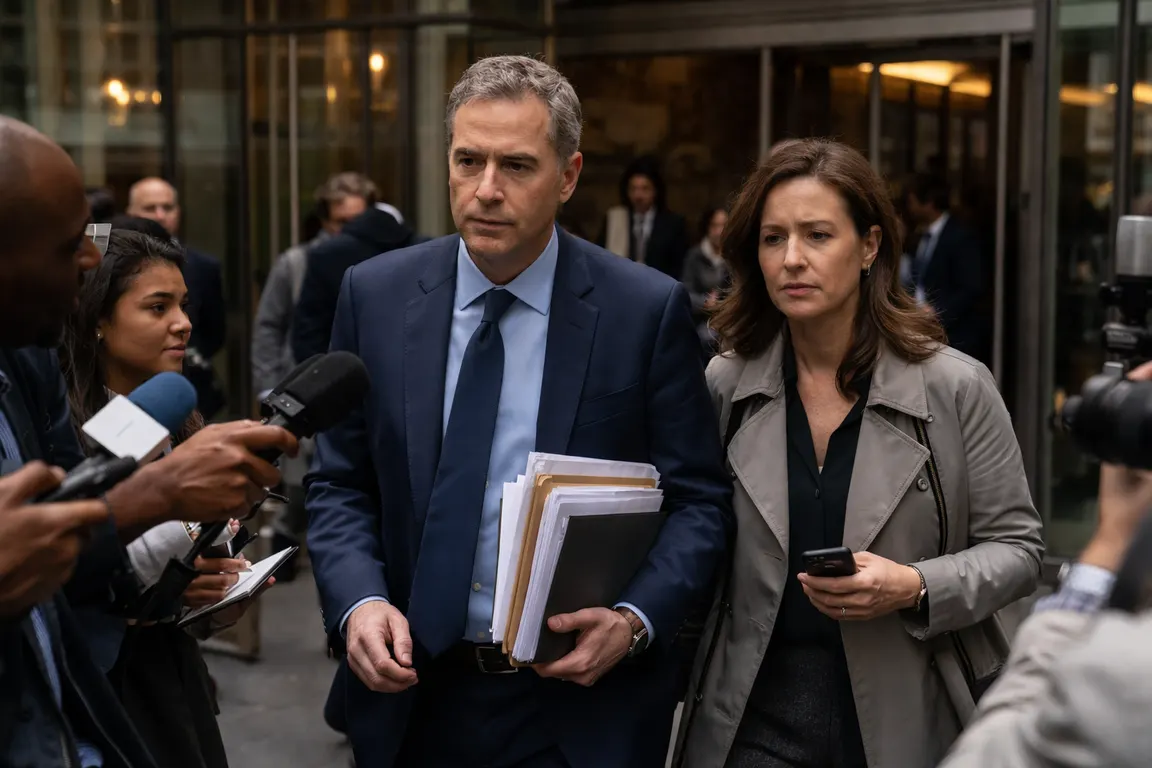
A federal grand jury's attempt to compel journalists to testify about their sources has sparked a battle over press freedom, with The New York Times pushing back against the government's efforts. The case raises concerns about the government's ability to force reporters to identify sources, potentially chilling investigative journalism and impacting the public's right to know.
The New York Times filed a motion to quash subpoenas served on journalists over Air Force One coverage, which was related to security concerns involving the new Air Force One, a gift from Qatar. The motion was filed in the Southern District of New York, where the journalists were summoned to testify before a federal grand jury.
The subpoenas were delivered to reporters at their homes, prompting David McCraw, the newspaper's senior vice president and deputy general counsel, to state that the subpoenas violate the constitutional rights of The Times and its journalists. The filing was made under seal, adding to the secrecy surrounding the case.
The subpoenas were delivered last Friday, and The New York Times filed the motion to quash on Wednesday, marking a swift response to the government's actions. Journalists and news organizations are directly affected, but the case also has broader implications for the public's right to know and the ability of the press to hold those in power accountable.
As the case unfolds, questions remain about the implications of the government's subpoenas for press freedom and investigative journalism. The next steps in the legal process will be crucial in determining the outcome of the case, and whether the motion to quash will be granted, potentially setting a precedent for future cases involving press freedom.
The government's actions have raised concerns among journalists and advocates for press freedom, who argue that the subpoenas could have a chilling effect on investigative journalism. The case is being closely watched by media organizations and civil liberties groups, who see it as a test of the government's ability to balance national security concerns with the need for a free and independent press.
The New York Times' motion to quash the subpoenas is the latest development in a long-running debate over the balance between national security and press freedom. The case has significant implications for the public's right to know and the ability of the press to hold those in power accountable.