

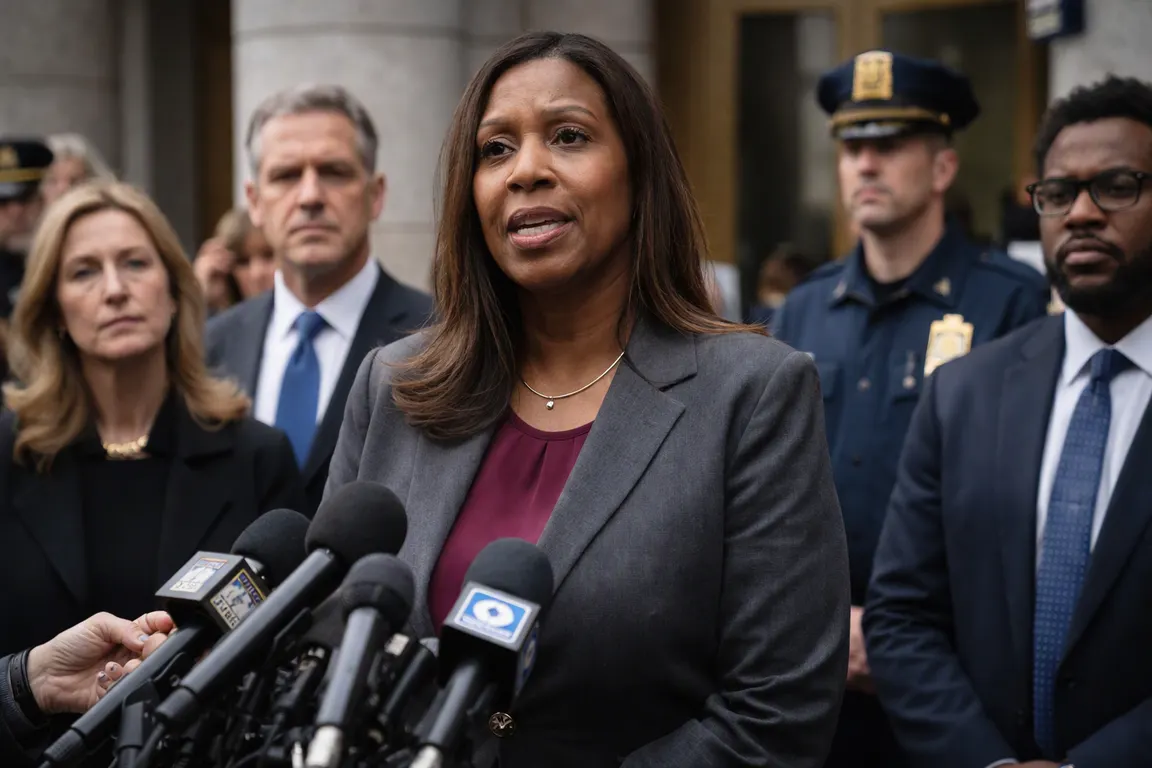
Governor Kathy Hochul signed an executive order on Oct. 2, 2026, appointing Attorney General Letitia James as special prosecutor in the criminal investigation of the Cornell fraternity assault case.
The appointment moves the case from the Tompkins County district attorney’s office to the state level after District Attorney Matthew Van Houten declined to file charges in early 2025. The DA’s decision was based on discrepancies between the victim’s initial police statement and a later civil lawsuit she filed.
Court filings identify the alleged victim as Jane Doe, who reported being given ketamine, marijuana and alcohol and becoming incapacitated during an October 2024 encounter at Cornell’s Chi Phi fraternity house. Cornell police received the report in late October 2024. The university’s Title IX inquiry, conducted throughout 2025 and early 2026, interviewed 32 witnesses, held a 12‑day hearing and ultimately expelled several students. One accused student was cleared of assault but found responsible for attempted sexual exploitation; that student and others have sued Cornell to overturn the disciplinary findings.
The governor’s office contended that the district attorney’s office never received the victim’s original statement and that the DA did not interview her before deciding not to prosecute. Those claims have not been independently verified in the Title IX materials released to the public.
Attorney General James, who has faced unrelated federal investigations that were later dismissed, has not commented on the specifics of the Cornell case. Her appointment is presented by the governor as a step to ensure “public‑interest priorities” are met, while some observers view it as a politically charged escalation.
A state attorney general can intervene in local prosecutions when the governor determines a public‑interest need. James’s office now has access to broader investigative resources than the county DA. If charges are filed, the case could move to the New York Supreme Court and add felony counts to the civil and university proceedings already underway. If James declines to prosecute, the district attorney’s earlier decision would stand, leaving Cornell’s disciplinary process as the primary remedy.
The appointment puts Cornell under heightened scrutiny. Federal Title IX monitors may review whether the university’s internal process was independent of the criminal investigation, especially after allegations that police evidence was withheld. The university has not released a full disciplinary report, leaving many details of its findings unavailable to the public.
Legal experts say the case could set a precedent for how New York handles campus‑based sexual assault allegations that intersect Title IX investigations and criminal law. By demonstrating that the state can step in when local prosecutors are perceived to have erred, the move may encourage other victims and institutions to seek state‑level involvement in similar disputes.
James’s office has not set a timeline for reviewing the case, and the Tompkins County district attorney’s office has not indicated how it will cooperate with the special prosecutor. As the civil suit and the university’s disciplinary appeals continue, the outcome is likely to shape policy discussions on coordinating Title IX investigations with criminal prosecutions across the state.