

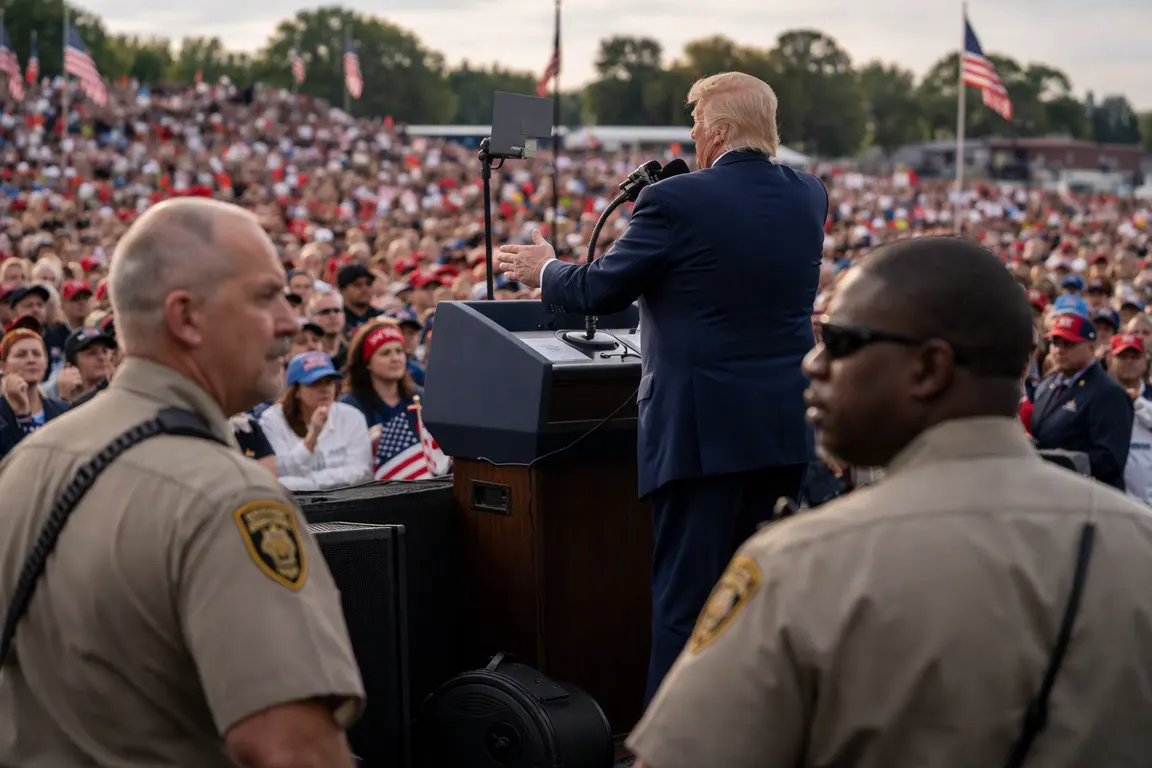
Former President Donald Trump addressed a crowd in Gastonia on Saturday, turning the North Carolina Senate race into a blunt debate over public safety. Trump warned that voting for Democratic candidate Roy Cooper would let “dirty, rotten killers” run free and urged listeners to "pretend I’m on the ticket" and "crush the communists." The claim about a released killer has not been independently verified.
The timing is significant. The Senate contest, featuring Republican Michael Whatley and Democrat Roy Cooper, will appear on the November 2024 ballot. Crime has risen to the top of voters’ concerns in a state that has seen an uptick in violent incidents. By framing the election as a referendum on who can keep communities safe, Trump injected a national law‑and‑order narrative into a statewide contest that will determine which party controls a pivotal Senate seat.
At the rally, Trump singled out Cooper, who is seeking the Senate seat after two terms as governor, and compared him to former Democratic presidential nominee Michael Dukakis, a comparison reported by the New York Post. Whatley, the Republican nominee and former RNC chair, has not repeated the specific anecdote about the alleged killer, but his campaign has highlighted Trump’s endorsement as evidence of a shared commitment to tougher crime policies. Cooper’s campaign, in turn, has pointed to its record of expanding community‑policing programs and investing in violence‑prevention resources, noting that violent‑crime rates have fluctuated without a clear partisan pattern.
Media coverage varies in tone. NBC News offered a straightforward account of the rally, noting Trump’s presence without endorsing the unverified claim. The Guardian framed the event as part of a broader Republican effort to mobilize Trump’s base, while the New York Post emphasized the sensational language of the speech. None of the outlets reported any immediate legislative or policy changes resulting from the remarks.
The rhetoric is already shaping campaign tactics. Whatley’s television ads now feature excerpts of Trump’s speech, positioning the candidate as aligned with a "law‑and‑order" stance that resonates with safety‑concerned voters. Cooper’s team has responded by citing crime‑trend data and refusing to engage with the unverified accusation, instead stressing bipartisan solutions. Political analysts say the focus on crime could boost turnout among voters who prioritize public‑safety issues, but it also risks alienating moderates uncomfortable with extreme partisan framing.
Fundraising patterns reflect the split. Republican contributions rose modestly after the rally, suggesting Trump’s endorsement still mobilizes donors despite his overall approval lagging behind other GOP figures. Democratic donors have increased contributions to counter the narrative, underscoring the race’s potential to influence future policy debates in Washington.
As the campaign enters its final stretch, both sides will test how much crime‑focused messaging sways undecided voters. Upcoming town halls and televised debates are expected to feature direct challenges to Trump’s claims, and the North Carolina Secretary of State’s office will release the final list of certified candidates next month. Whether the electorate translates Trump’s rhetoric into a decisive Senate outcome remains uncertain, but the race now serves as a litmus test for how national crime narratives can reshape state‑level politics.