

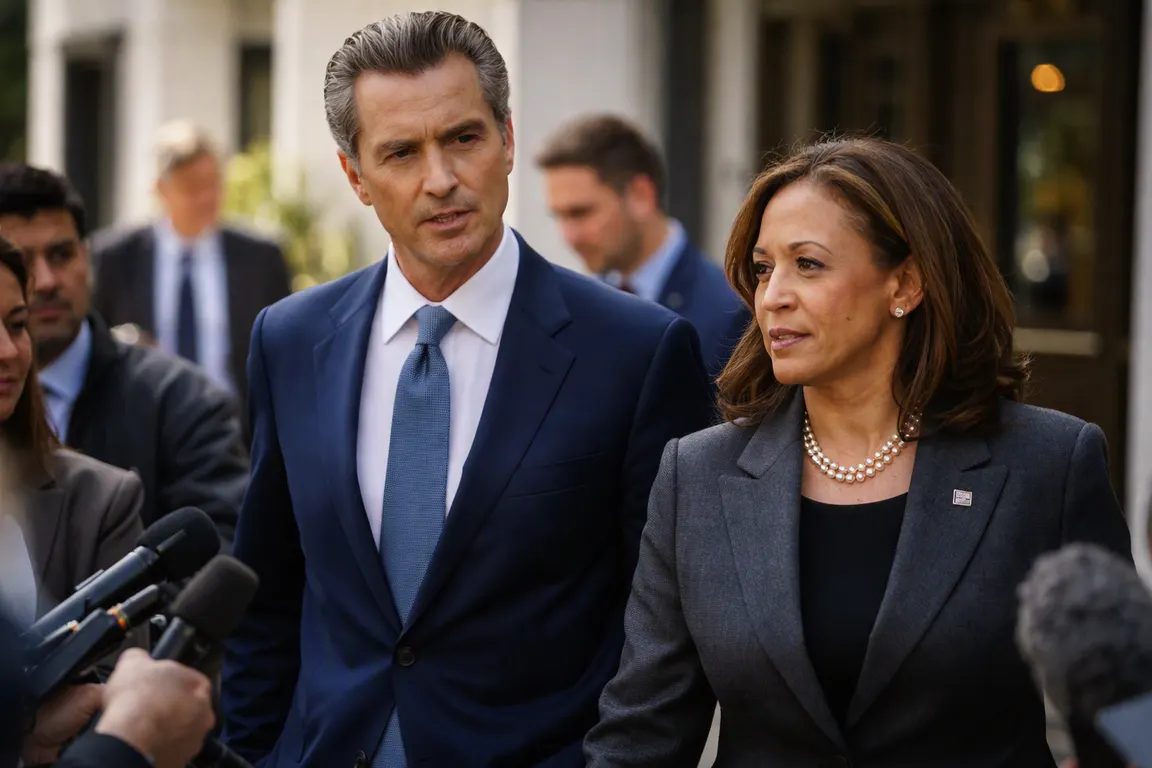
California Governor Gavin Newsom told CNN he will not seek the Democratic nomination for president in 2028 if former Vice President Kamala Harris also runs, marking the first public sign of coordination between the two leading California Democrats in the Newsom Harris 2028 primary.
Newsom said a primary battle between him and Harris would be “a waste of everybody’s time” and that the overlap of their voter bases would be an “electoral gift” to other candidates. He added that he would step aside to let the party focus on broader national contests.
The timing is significant. With the 2028 primary still four years away, donors, campaign staff and prospective candidates are already shaping strategies. By signaling his willingness to stay out of the race, Newsom gives an early cue that could influence fundraising flows, staffing decisions and the overall calculus of who might realistically contend for the nomination.
The remarks arrive as Newsom prepares to leave the governor’s office, having been term‑limited at the end of 2024. Throughout his tenure he positioned himself as a national foil to former President Donald Trump, but he has not filed any paperwork for a presidential campaign. Harris, also a California native, has not confirmed a 2028 bid and has not formally endorsed Newsom’s decision.
Analysts say the potential impact on the Democratic primary is threefold. First, a de‑escalated rivalry between the two Californians could free up fundraising dollars that would otherwise be split between high‑profile state campaigns. Early‑stage donors often allocate resources based on perceived viability; a clear hierarchy may redirect contributions toward other contenders. Second, campaign infrastructure—staff, volunteers and donor networks—could be redeployed to support candidates outside the California duo, expanding their national reach. Third, the signal may deter other high‑profile Democrats from entering the race, fearing a crowded field that dilutes support.
The coordination remains informal. No official filings have been made, and Harris has not publicly stated her intentions. That leaves room for speculation about behind‑the‑scenes negotiations. Potential challengers such as Rep. Alexandria Ocasio‑Cortez, former Transportation Secretary Pete Buttigieg, Senator Elizabeth Warren or Michigan Governor Gretchen Whitmer could still emerge, reshaping donor calculations regardless of any California arrangement.
For now, the next observable step will be the filing of campaign paperwork, typically due in early 2028. Until then, party operatives and donors will watch California’s political elite for further clues. Whether the early coordination between Newsom and Harris proves lasting or temporary, it illustrates how intra‑party dynamics can shape the structure of a presidential contest well before voters head to the polls.