

New Mexico Epstein injunction sought by AG to block payments
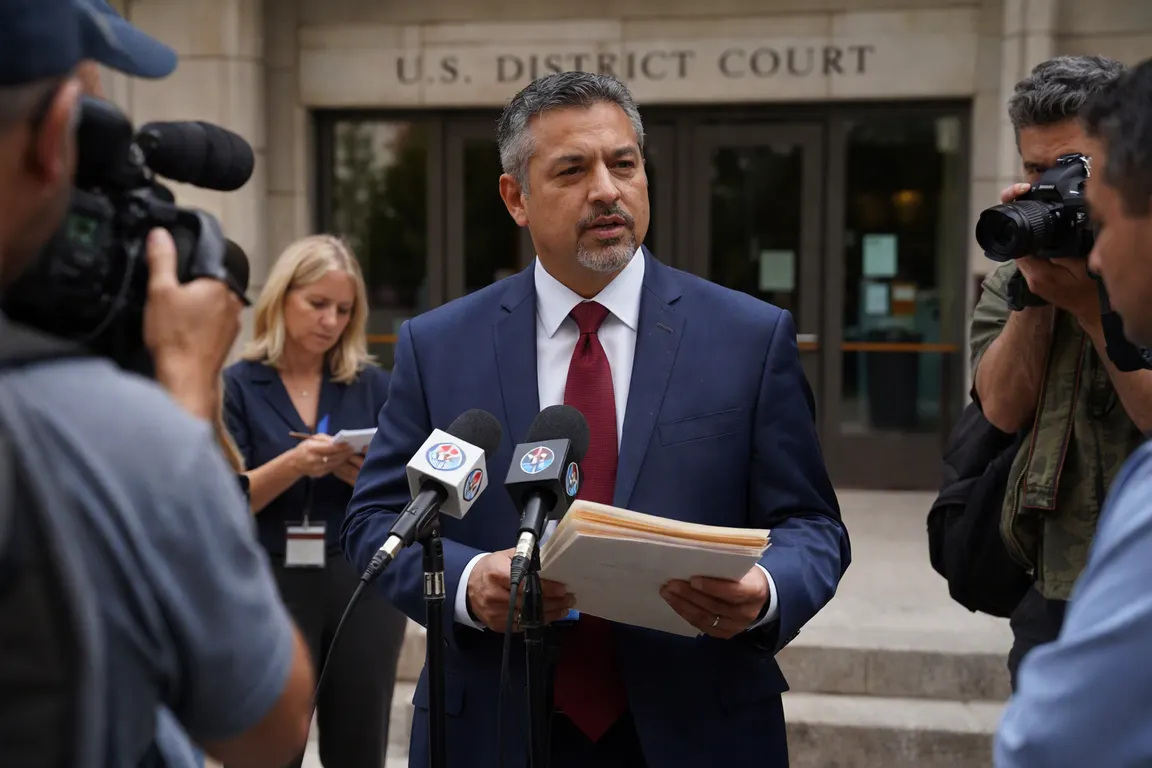
NEW MEXICO — Attorney General Raúl Torrez filed a civil lawsuit Wednesday in U.S. District Court for the District of New Mexico seeking a New Mexico Epstein injunction to bar Jeffrey Epstein’s former attorney, Darren Indyke, and accountant, Richard Kahn, from receiving any compensation from the late financier’s estate while the case proceeds.
The complaint alleges that Indyke and Kahn knowingly helped Epstein conceal and fund his sex‑trafficking operation, including abuse that occurred at the New Mexico property known as Zorro Ranch. Torrez’s office argues the two earned "generous salaries" for services that enabled the criminal enterprise and that allowing them to collect from the estate would divert funds away from victims.
The lawsuit names the Epstein estate and the 1953 Trust that holds its assets as co‑defendants. It seeks an injunction to freeze any payments to Indyke and Kahn pending a determination of liability. According to the filing, the two provided legal and financial advice that facilitated money transfers, obscured illicit activity and sustained the infrastructure of Epstein’s trafficking network. The AG’s office cites internal communications and billing records showing substantial compensation while Epstein’s operations continued.
The filing marks the first state‑level action against members of Epstein’s inner circle. Earlier criminal prosecutions focused on the deceased financier; this suit aims to preserve estate assets for victim restitution. Victims’ advocates have long argued that the estate’s funds should be protected from individuals who may have profited from the crimes.
Legal experts say the complaint rests on claims of fraud, conspiracy and civil racketeering. Torrez’s office contends the defendants "facilitated and concealed" the trafficking by structuring transactions, providing legal cover and managing the flow of funds. Discovery is expected to include emails, billing records and testimony from former Epstein staff.
If the court grants the injunction, it could set a precedent for holding professional advisors financially accountable when they knowingly enable criminal conduct. Other jurisdictions may follow with similar actions against lawyers, accountants and consultants linked to high‑profile wrongdoing, potentially reshaping the duty of professionals who serve controversial clients.
The next procedural step is a hearing on the injunction request. Both Indyke and Kahn have indicated they will contest the allegations. The court’s decision on whether to freeze payments will shape not only the remaining assets of the Epstein estate but also the broader use of civil suits to recover funds for victims in complex, multi‑jurisdictional fraud schemes.