

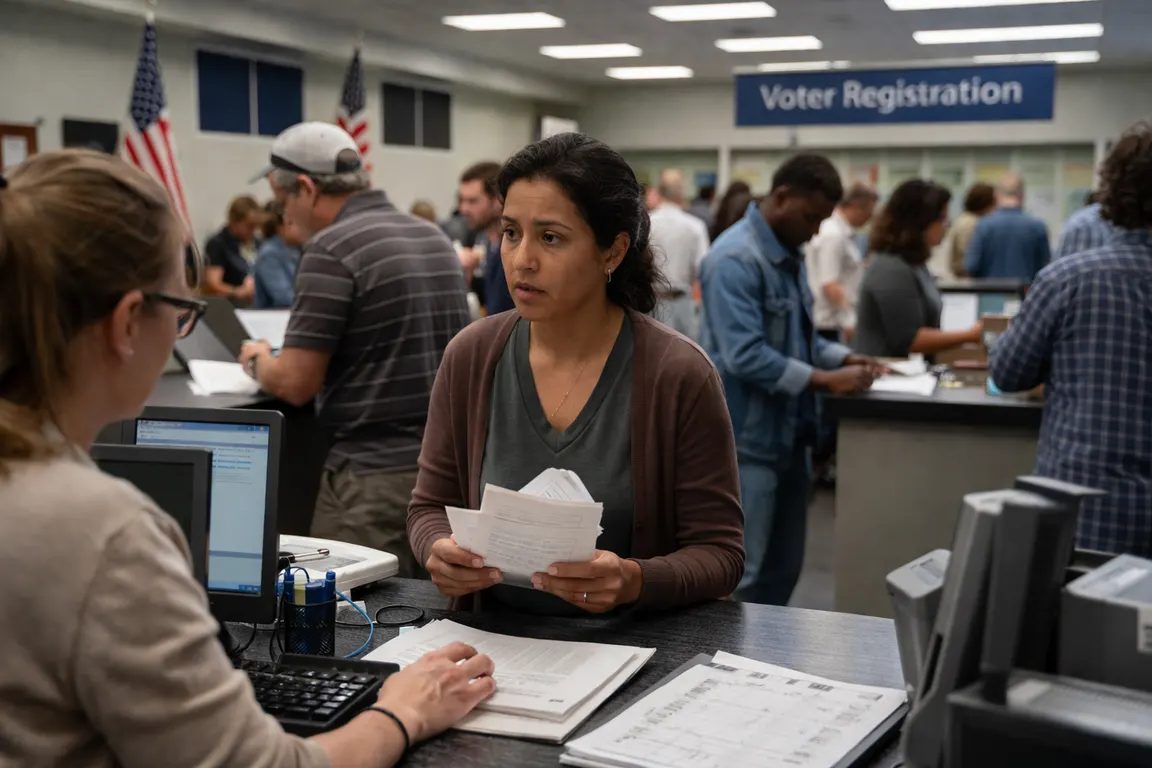
A software error in New Jersey's voter registration system allowed over 6,600 noncitizens to register to vote between June 2023 and June 2024, prompting a federal investigation into the state's election integrity. The glitch occurred despite individuals indicating they were not U.S. citizens on a Motor Vehicle Commission keypad, raising concerns about the security of New Jersey's elections.
The Department of Homeland Security has identified 19,497 potential non-citizen voter registrations in the state, with fewer than 400 noncitizens casting ballots. Governor Phil Murphy has ordered the erroneous registrations removed and retained an outside firm to conduct an independent review. The Justice Department's Civil Rights Division has opened a federal investigation into the matter.
The software vendor, IDEMIA, disputes the characterization of its role in the scandal. The incident highlights the need for accurate and secure voter registration systems, and the federal investigation may have implications for election security and voting laws nationwide. As the investigation unfolds, questions remain about how the software glitch occurred and who is responsible for the error.
The scandal affects the integrity of New Jersey's elections and the confidence of its voters. The federal investigation is a concrete step towards addressing the issues raised by the scandal, but the outcome and its implications for the state's election system remain to be seen. The state's election officials will need to work to restore public trust and ensure the accuracy and security of the voter registration system.
The federal investigation will examine the circumstances surrounding the software glitch and the impact it had on the state's elections. The probe may also lead to changes in the state's voter registration procedures and election laws. For now, the focus is on correcting the errors and preventing similar glitches in the future. The investigation is an important step towards ensuring the integrity of New Jersey's elections and maintaining public confidence in the state's democratic process.