

New Jersey ethics investigation forces Lt. Gov. Caldwell
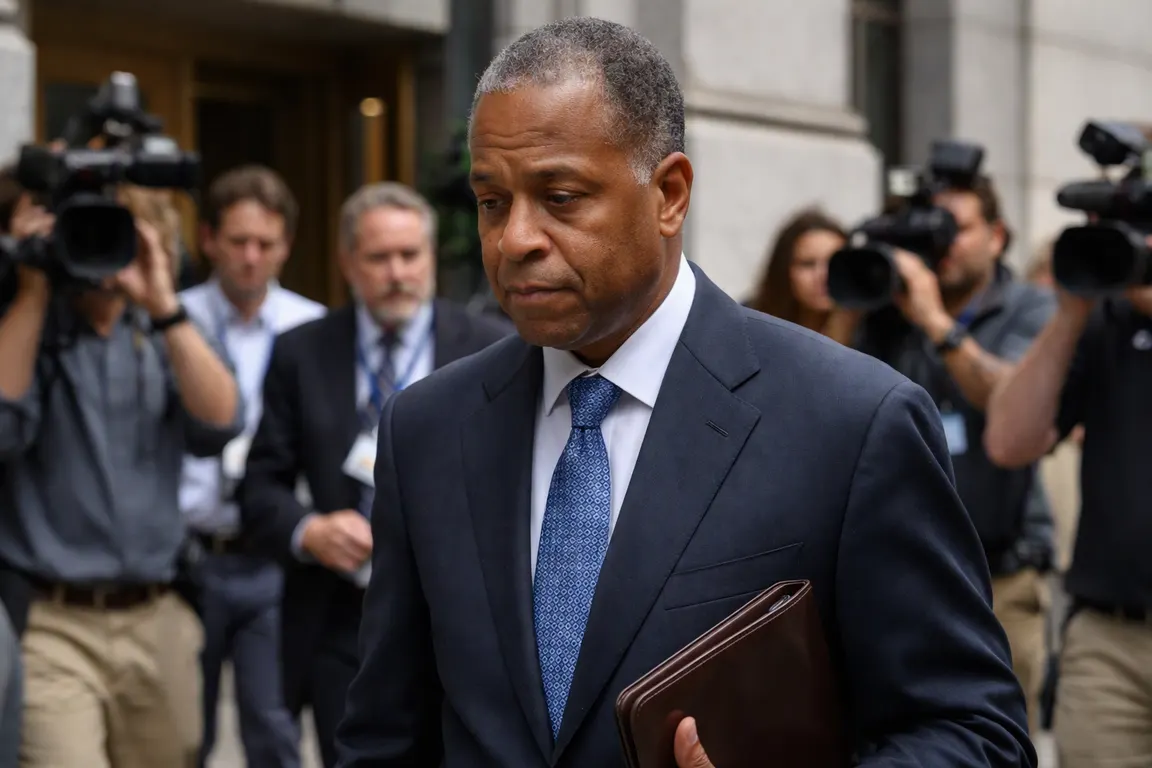
Governor Mikie Sherrill on Thursday, Sept. 19, 2026, gave Lieutenant Governor Dale Caldwell a Friday deadline to resign after a New Jersey ethics investigation documented repeated workplace harassment and attempts to secure personal favors. The demand turns a private inquiry into a public test of the state’s ethics‑enforcement framework.
The law firm hired by the governor’s office released its findings on Wednesday, Sept. 18. It concluded that Caldwell repeatedly harassed staff, ignored mandatory ethics‑training warnings, and tried to advance his girlfriend’s promotion. The most damning evidence was a gender‑based comment recorded in a staff meeting: “You young women are looking for young sperm.” The report said the remark violated the state’s anti‑discrimination policy, which requires elected officials to maintain a harassment‑free workplace and to avoid personal gain.
Sherrill’s ultimatum underscores how the state’s ethics code can be activated when an official’s conduct threatens employee safety and merit‑based advancement. By making the resignation demand public, the governor signals that the executive branch will not tolerate behavior that undermines trust in government operations. The move also puts pressure on the state’s ethics commission, which must decide whether further sanctions are warranted if Caldwell refuses to step down.
The investigation began after staff members filed complaints in early 2026. Those complaints triggered internal reviews and, by mid‑year, Caldwell received formal warnings to complete ethics training. When the warnings failed to change behavior, the governor’s office contracted an external firm to conduct a comprehensive review. The firm’s identity and contract date remain undisclosed, but its report was corroborated by three national outlets: the New York Post highlighted the “revolting sexual comment,” NBC News emphasized “ethical lapses persisted despite training,” and The Guardian described the findings as “serious, repeated violations” and quoted the offending remark directly.
Caldwell has not offered a detailed response, saying only that he is reviewing the report. No legislative action or criminal charges have been filed, and the state ethics code provides no automatic removal mechanism; the governor’s demand relies on political pressure and the potential for the ethics commission to recommend removal or fines. If Caldwell declines to resign, staffers could pursue complaints through the Office of the Inspector General or file civil claims under New Jersey’s anti‑harassment statutes. The governor’s office said it will monitor compliance closely and may refer the matter to the commission for further action.
The controversy arrives as the administration prepares its budget proposal and a slate of infrastructure projects slated for the 2027 legislative session. While the dispute does not pose an immediate economic threat, prolonged attention could distract from policy priorities and erode public confidence in the executive branch. Observers note that the case could set a precedent for how quickly elected officials are held accountable for workplace misconduct, potentially prompting tighter oversight mechanisms.
The next day, Sept. 20, will determine whether Caldwell steps down as ordered. Regardless of his decision, the episode highlights gaps in New Jersey’s safeguards against abuse of power and raises questions about how state ethics rules will be enforced when senior officials breach them. The outcome is likely to shape both internal workplace culture and public expectations for accountability in state government.