

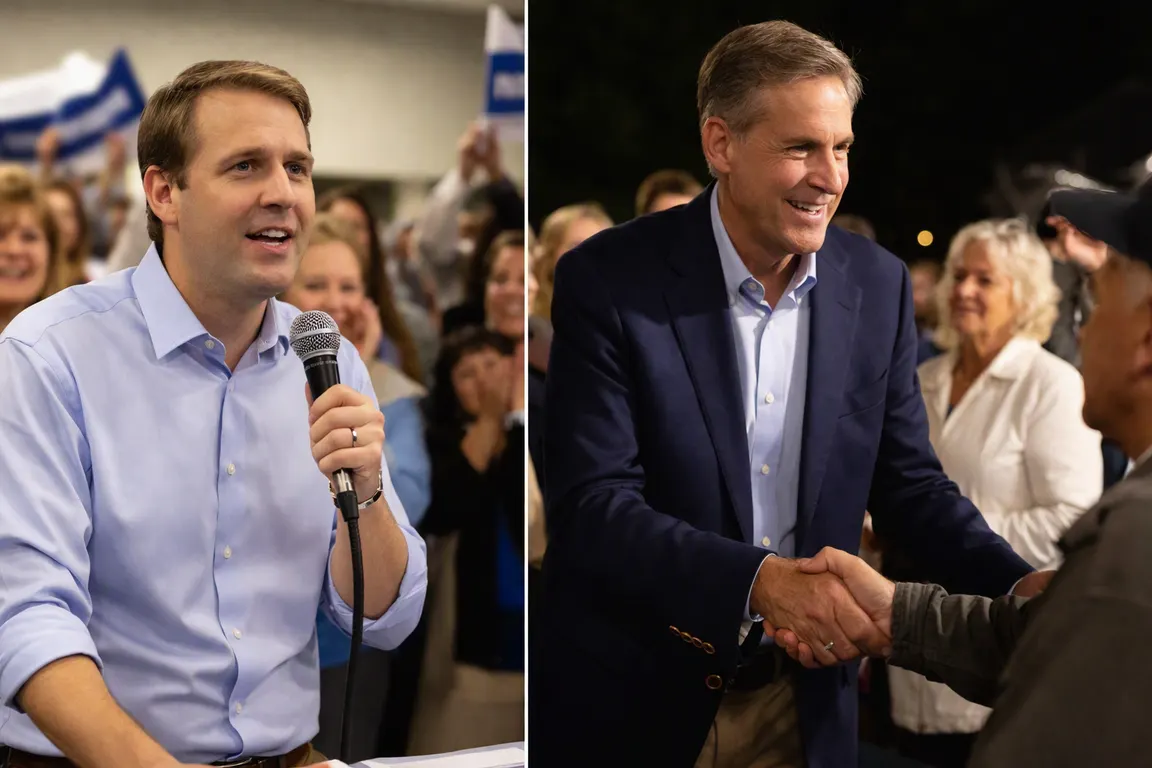
Incumbent Democratic Rep. Chris Pappas and former Republican Sen. John E. Sununu clinched their parties’ nominations Tuesday, setting the New Hampshire Senate race as a pivotal contest in November.
Pappas, a first‑term congressman from the 1st district, won the Democratic primary after NBC News projected his victory. He is running on expanding health‑care access, protecting Social Security and upgrading the state’s aging infrastructure. After his primary win, he asked voters whether they feel they are living in President Donald Trump’s “golden age,” a question meant to gauge sentiment on the former president’s influence.
Sununu, 61, secured the Republican nomination by defeating former Massachusetts Sen. Scott Brown. The former New Hampshire senator, who served from 2003 to 2009, is campaigning on lower taxes, reduced federal regulations and a stronger national defense. The Guardian called his win a must‑win for Republicans hoping to retain Senate control.
With the Senate currently split 50‑50, the Granite State’s outcome will decide which party holds the majority and shape the legislative agenda in Washington. A Democratic win would give the party a slim edge, easing passage of health‑care reforms and infrastructure projects outlined by the administration. A Republican victory would keep GOP control, allowing it to steer budget negotiations and potentially block or reshape Democratic initiatives.
New Hampshire voters have a history of swinging between parties, and local concerns are likely to drive the race. Recent polls show residents worried about rising health‑care costs, the reliability of the state’s power grid and the impact of federal budget decisions on rural communities. Both campaigns have begun town‑hall tours, emphasizing how federal legislation on infrastructure and budgeting could affect everyday life.
The general election is set for the first Tuesday in November 2024. State law requires at least two televised debates; the first joint debate is scheduled for late August. Candidates will also file finance reports, hold additional town meetings and ramp up outreach to independent and younger voters, who could prove decisive.
National political committees are already allocating resources to the race, reflecting its significance in the broader midterm landscape. As the post‑primary period unfolds, the focus will shift from primary dynamics to concrete policy proposals and voter outreach.
The coming weeks will test each candidate’s ability to address the concrete issues that dominate New Hampshire’s public discourse. Turnout among independents and younger constituents, as well as the performance in the August debate, will likely set the tone for the final stretch toward the November ballot.