

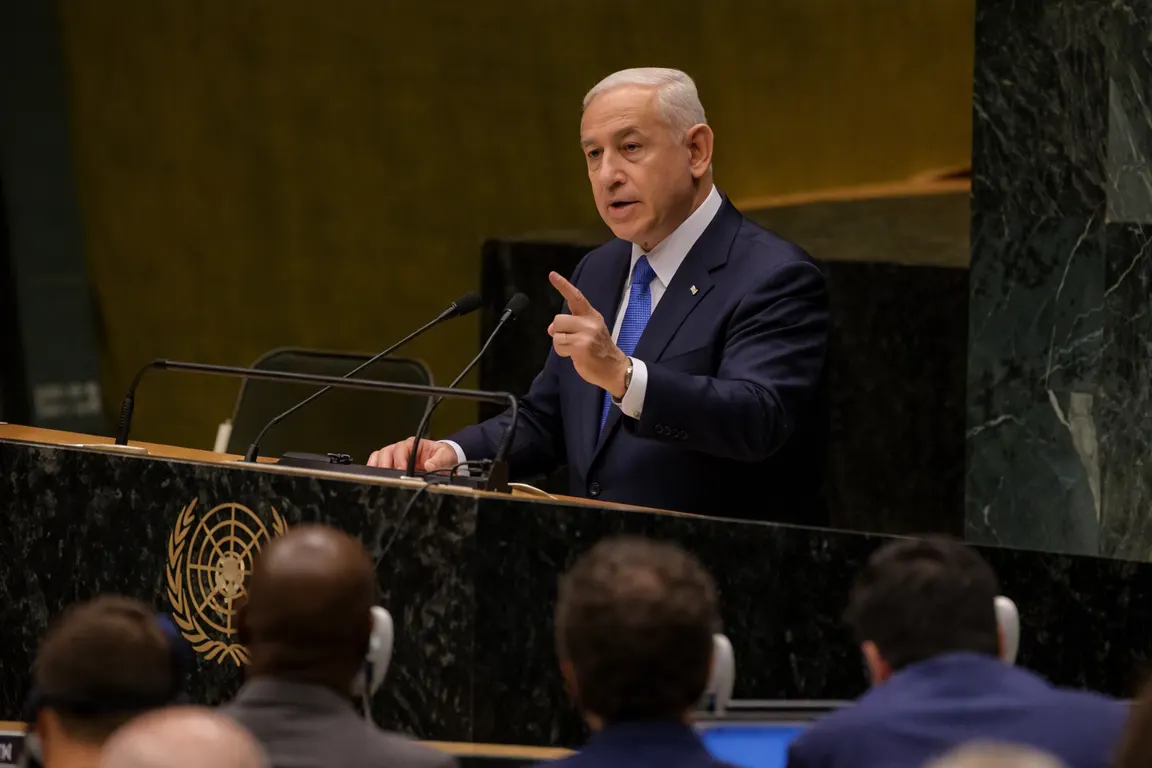
Israeli Prime Minister Benjamin Netanyahu turned his United Nations General Assembly address on Thursday into a domestic campaign rally, using the global platform to signal priorities to voters ahead of the September election. The prime minister told the 193‑nation assembly that he would offer "surprises" in his speech, a line reported by Al Jazeera that he framed as a promise of new policy moves. Analysts say the remark was aimed more at Israeli audiences than at diplomats, noting that the UN stage offers unparalleled visibility for a leader whose re‑election prospects are narrowing.
Netanyahu did not lay out concrete legislative proposals. Multiple outlets, including NBC News and the Wall Street Journal, highlighted the absence of specific policy details, leaving observers uncertain about the speech’s substantive impact. Instead, the address emphasized themes of security, regional stability and Israel’s right to self‑defence – points that resonate with his base.
The timing underscores a shift in Israel’s foreign‑policy landscape. Relations with the United States have cooled since the Trump era, with the Wall Street Journal describing the current U.S.–Israel partnership as “weaker” than in recent years. The perceived diplomatic isolation, reflected in muted but critical reactions from several UN member states, could limit Israel’s leverage in future multilateral negotiations.
Domestically, the speech has already become a flashpoint in the campaign. Opposition parties have seized on Netanyahu’s focus on international optics, questioning whether he is addressing voters rather than the nation’s pressing challenges. Coalition partners are watching for any policy shift that could affect future bargaining power within the government.
Polls show a tight race, and Netanyahu’s use of the UN forum appears designed to reinforce his image as a strong leader on security while diverting attention from internal criticism. The promise of "surprises" has sparked speculation among voters, but without concrete details it remains a rhetorical device rather than a policy announcement.
As the election campaign intensifies, the UN address will likely serve as a reference point for both domestic and foreign analysts. The next weeks will see parties roll out detailed platforms and the United States issue statements on its bilateral relationship with Israel. How Netanyahu’s UN rhetoric translates into voter sentiment and diplomatic outcomes remains an open question, highlighting the growing overlap between global stagecraft and national politics.