

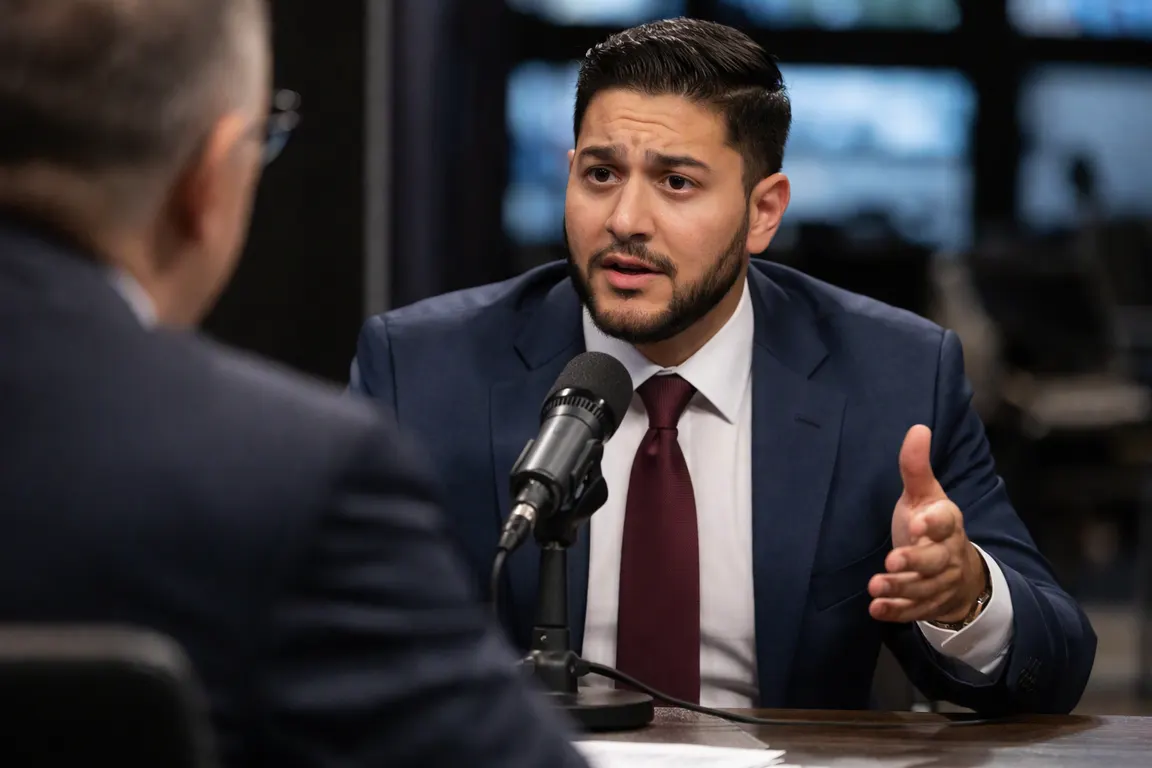
Democratic Senate nominee Abdul El‑Sayed faced a heated interview this week when a host asked whether any of his relatives had ever belonged to the Muslim Brotherhood. El‑Sayed responded, "Are you serious?" and denied the claim, saying his family has no connection to the group. The exchange has raised a Michigan Senate security review because committee assignments on Intelligence or Armed Services grant members access to classified briefings and influence over defense budgets.
Opponents are using the unverified allegation to question El‑Sayed’s suitability for those roles. El‑Sayed announced his candidacy in late 2023 and quickly emerged as the Democratic front‑runner for Michigan’s open Senate seat. During the mid‑2024 interview, the host referenced the Muslim Brotherhood, a transnational Islamist organization that U.S. agencies monitor for extremist activity. El‑Sayed called the suggestion false and expressed frustration at the line of questioning.
Shortly after the interview, opinion pieces in RealClearPolitics and National Review framed the allegation as a security risk. RealClearPolitics warned that electing El‑Sayed could threaten Jewish‑American security, while National Review suggested his potential placement on intelligence‑related committees might give him access to classified material. Neither outlet cited law‑enforcement or intelligence findings to substantiate the family‑ties claim.
To date, no independent investigation or official agency has confirmed any connection between El‑Sayed’s family and the Muslim Brotherhood. The Department of Justice, the FBI and congressional oversight bodies have not released any evidence supporting the allegation. El‑Sayed’s campaign has emphasized that accusations without proof risk inflaming voter anxieties.
Senate rules allow any member appointed to the Select Committee on Intelligence, the Armed Services Committee or related subcommittees to view classified briefings and help shape national‑security budgets. The Senate also requires security clearances, ethics reviews and conflict‑of‑interest disclosures. The Senate Select Committee on Ethics can investigate alleged vulnerabilities, and members must report foreign contacts and financial interests.
Michigan voters are reacting in mixed ways. Some Jewish community groups have voiced concern about the rhetoric, while civil‑rights organizations caution against conflating religious identity with security threats. Polls show that a portion of the electorate is aware of the controversy, but many respondents say they lack sufficient information to assess its relevance to the candidate’s policy positions.
No federal or state agency has opened a formal investigation into the claims, and officials declined to comment on whether a security review would be triggered should El‑Sayed win. The Senate’s committee‑assignment process, slated for the first weeks of the new Congress, will determine whether the issue moves from campaign discourse to an operational matter.
As the November election approaches, the central question remains unresolved: whether political scrutiny of a candidate’s family background will translate into concrete security safeguards, or whether it will remain a partisan narrative influencing voter sentiment.