

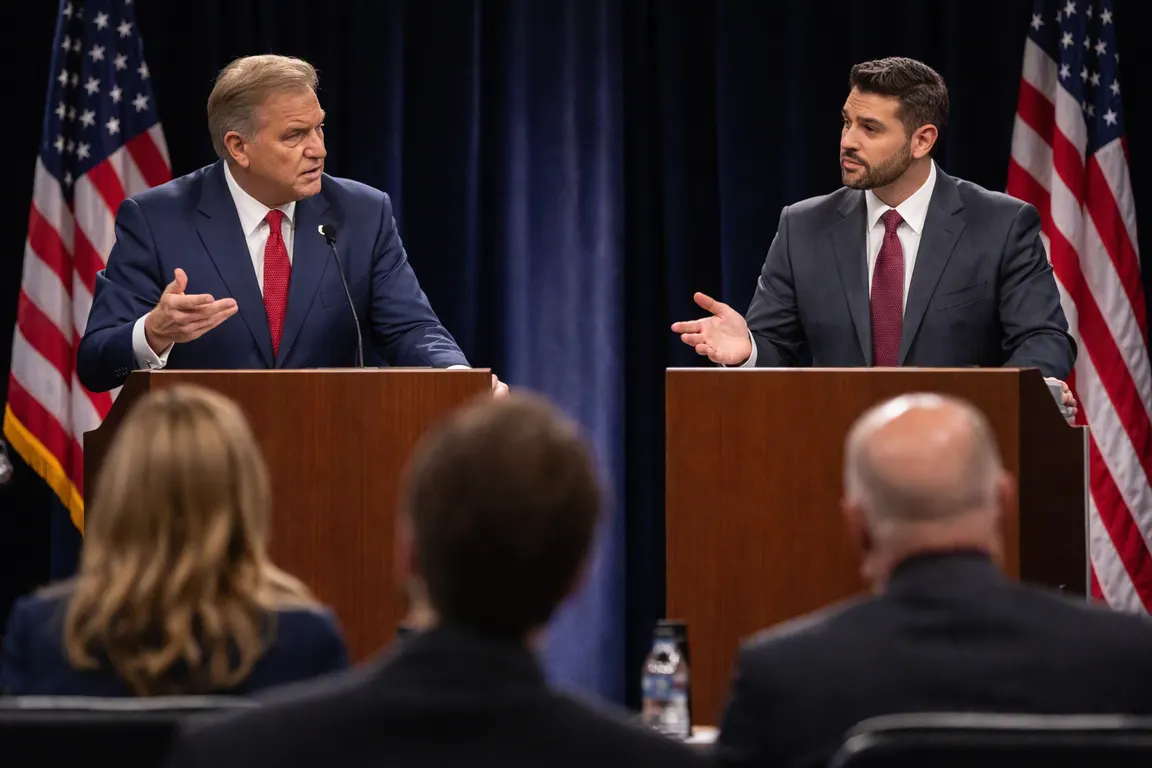
Republican incumbent Sen. Mike Rogers and Democratic challenger Abdul El‑Sayed sparred in Michigan’s first statewide Senate debate, where questions about gasoline prices, U.S. tariffs and the Middle‑East quickly eclipsed personal attacks.
Rogers opened by questioning El‑Sayed’s medical background, claiming the Democrat never practiced beyond an internship and suggesting he could face legal trouble for treating patients without proper credentials. No evidence of wrongdoing was presented, and other outlets did not corroborate the accusation.
The candidates then turned to foreign‑policy priorities. Rogers asked whether Iran or Israel posed a greater threat to U.S. interests and why El‑Sayed had not marked the three‑year anniversary of Hamas’s Oct. 7 attack. El‑Sayed declined to give a definitive answer and offered no comment on the anniversary, prompting Rogers to label the response evasive.
When moderators shifted to energy, both men linked gasoline prices to Michigan voters’ daily lives. Rogers blamed “excessive regulation and overreaching environmental mandates” for high pump prices and argued that deregulation would bring relief. El‑Sayed countered that global oil markets drive prices and called for a comprehensive energy strategy that includes renewable investment and infrastructure upgrades to reduce dependence on volatile imports. Neither candidate offered specific legislative proposals.
Tariff policy also surfaced. Rogers defended the current approach, saying protecting domestic manufacturers and farmers sustains Michigan’s economy. El‑Sayed argued that some tariffs hurt the state’s agricultural exporters and raise consumer costs, calling for a review of existing measures. Again, detailed policy outlines were absent.
On the Middle‑East, Rogers portrayed Iran as the primary strategic threat and advocated a tougher stance. El‑Sayed emphasized diplomatic engagement and warned that focusing solely on Israel could overlook broader regional instability. Both agreed the conflict warrants congressional attention, noting potential impacts on defense contracts tied to Michigan’s aerospace and manufacturing sectors.
Throughout the debate, NBC reported frequent insults between the candidates, underscoring the race’s competitiveness but yielding few concrete policy announcements.
Voters are watching the contest because the Senate seat will influence how Washington addresses issues that affect daily life in Michigan—fuel costs, trade, and national‑security funding. The race is considered a national toss‑up that could tip the Senate balance and shape federal policy direction.
The next step for Michigan voters is the November general election. Both campaigns are expected to release detailed policy platforms on energy, trade and foreign affairs in the weeks ahead. How those platforms address immediate concerns—fuel costs, job security in manufacturing and agriculture, and the safety of defense‑related employment—will likely determine which candidate can translate debate rhetoric into electoral support.