

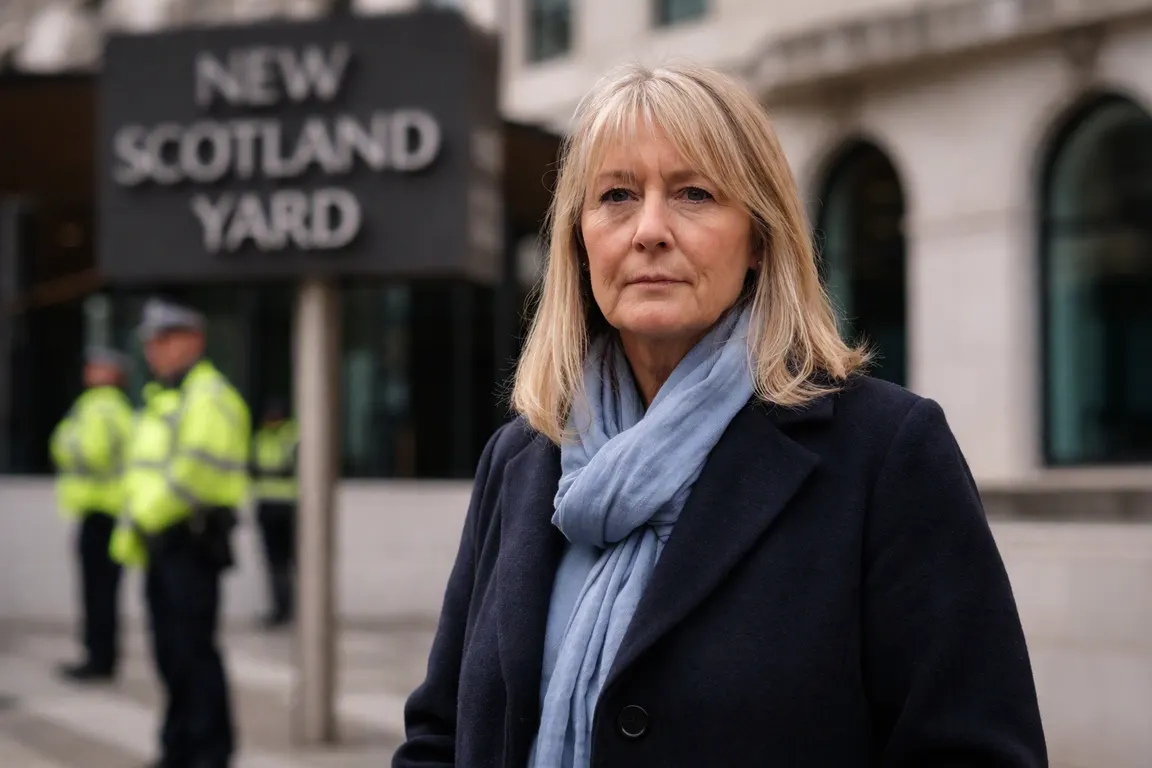
Detective Linda Williams, a 60‑year‑old Metropolitan Police officer, says the Met Police settlement over her civil claim should prompt Commissioner Sir Mark Rowley to step down. Williams was raped by Metropolitan officer David Carrick in 2004 and argues the force’s handling of her complaint made her feel "like being raped all over again."
The settlement – reported by The Guardian and the BBC as an undisclosed six‑figure sum – arrives as the Met faces intense scrutiny over its handling of sexual‑assault complaints. An independent review was launched after the Carrick scandal, and parliamentary committees are questioning the force’s internal safeguarding procedures.
Carrick was convicted in 2023 of sexual offences against twelve women and sentenced to 22 years in prison. His case exposed a pattern of mishandled or ignored complaints within the Met. In early 2024, Williams filed a civil claim alleging the force did not act on her reports of assault. The Met settled without admitting liability, a move criticised for its lack of transparency.
While the exact amount remains undisclosed, the decision to pay a six‑figure sum without fault has been read by some observers as an implicit acknowledgment of systemic shortcomings. Both the Guardian and the BBC highlighted the opacity of the settlement and called for clearer accountability mechanisms.
No official response from Sir Mark Rowley confirming his resignation has been issued, nor has the commissioner detailed specific policy changes in response to Williams’ allegations.
The case has intensified calls for reform of the Met’s safeguarding framework. Critics argue that current procedures allow senior officers to evade scrutiny and that police staff face barriers to reporting abuse. The independent review, still underway, is expected to assess whether internal investigations complied with statutory guidance and to recommend structural changes.
Parliamentary questions in recent weeks have focused on training adequacy, the independence of investigative bodies, and the transparency of compensation arrangements. Victims’ advocacy groups are urging the Met to publish a public ledger of settlements to ensure consistency and deter future abuse.
Comparisons with other police‑related compensation cases show that settlements of this size are not unprecedented, but the lack of detail fuels speculation about fairness in how the Met addresses internal misconduct.
Lawmakers have indicated they will consider legislative amendments to strengthen oversight of police safeguarding. The next major milestone is the release of the independent review’s findings, scheduled for later this year.
Until concrete reforms are implemented, the Met’s ability to restore public confidence will hinge on how it translates the scrutiny prompted by Williams’ case into effective changes that protect both officers and the public from sexual violence.