

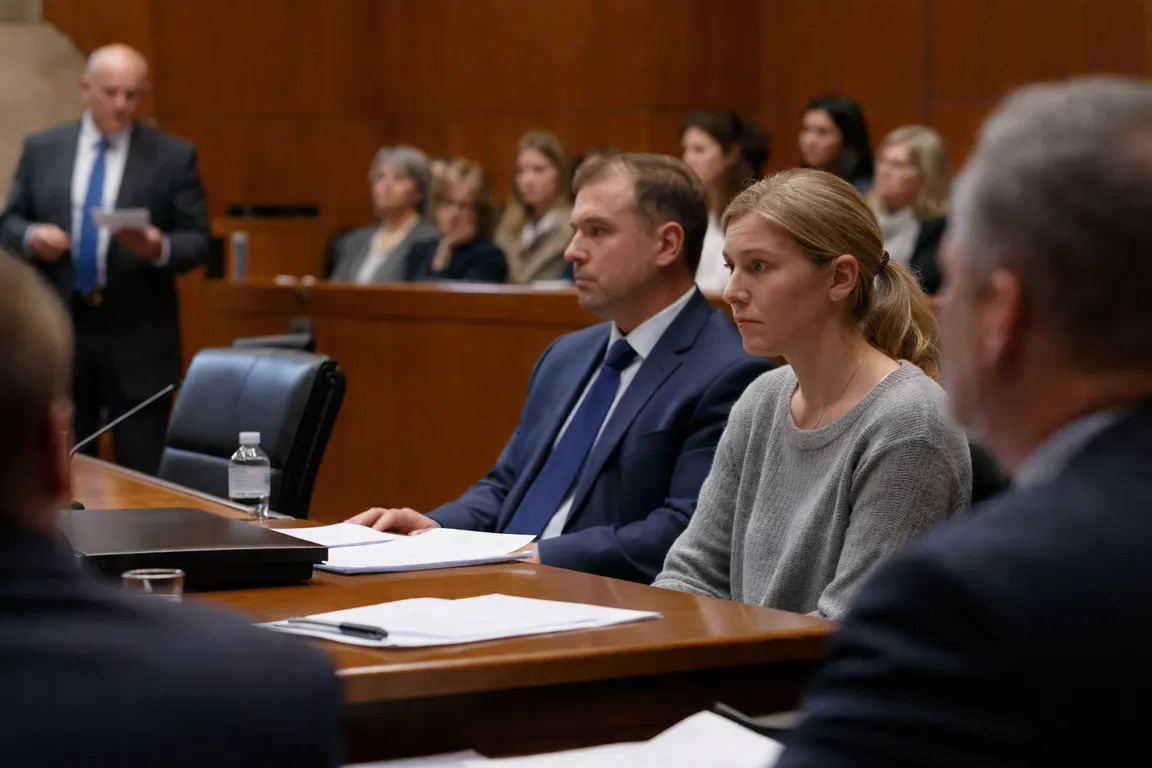
Lindsay Clancy, charged with the January 2023 killings of her three children, faced closing arguments that pitted forensic psychiatrists against defense psychologists over whether a postpartum psychosis defense can excuse her actions. The prosecution’s psychiatrist testified that Clancy heard a commanding voice urging her to kill, linking the hallucinations to a psychotic episode that can follow childbirth. The defense’s psychologist countered that Clancy retained moral awareness of her conduct, a key factor in Massachusetts’ test for criminal responsibility.
Jury deliberations are set to begin Friday, putting a spotlight on how the state’s courts apply mental‑health defenses in violent crimes. Legal analysts say the outcome could influence how postpartum psychosis pleas are handled nationwide and may spur policy discussions on maternal mental‑health services.
During the trial, the prosecution presented a forensic psychiatrist who said Clancy reported auditory hallucinations that compelled her to act. He cited medical literature on postpartum psychosis to argue that the episode rendered her unable to appreciate the nature of her conduct. In contrast, forensic psychologist Kirk Heilbrun testified that Clancy demonstrated an understanding of the wrongdoing, noting that “moral awareness” is a cornerstone of the state’s responsibility test.
The defense brought its own experts, who challenged the psychiatrist’s conclusions. They highlighted gaps between the timeline of Clancy’s reported symptoms and the date of the killings, arguing that the prosecution had not met the burden of proof required to establish a psychotic state that negates intent. Their testimony also questioned whether any independent evidence corroborated the alleged hallucinations.
Massachusetts law permits a mental‑health defense only when a defendant lacks the capacity to appreciate the nature or wrongfulness of an act. The standard is high: the disorder must have rendered the defendant incapable of forming criminal intent. In homicide cases, courts have historically demanded clear, contemporaneous evidence of severe impairment. This trial illustrates the divergent interpretations of that threshold.
The community where the murders occurred remains deeply affected. Family members have spoken publicly about their grief and the need for accountability, while local advocacy groups are calling for expanded postpartum mental‑health resources. Lawmakers observing the trial have said they will consider the verdict when drafting legislation on maternal health screening and crisis intervention.
If the jury returns a guilty verdict, Clancy faces life imprisonment without parole, the maximum penalty for first‑degree murder in Massachusetts. An acquittal on the basis of mental illness would likely result in a commitment to a psychiatric facility, subject to further court orders. The deliberations will determine not only Clancy’s fate but also set a precedent for how future cases involving postpartum psychosis are prosecuted and defended.