

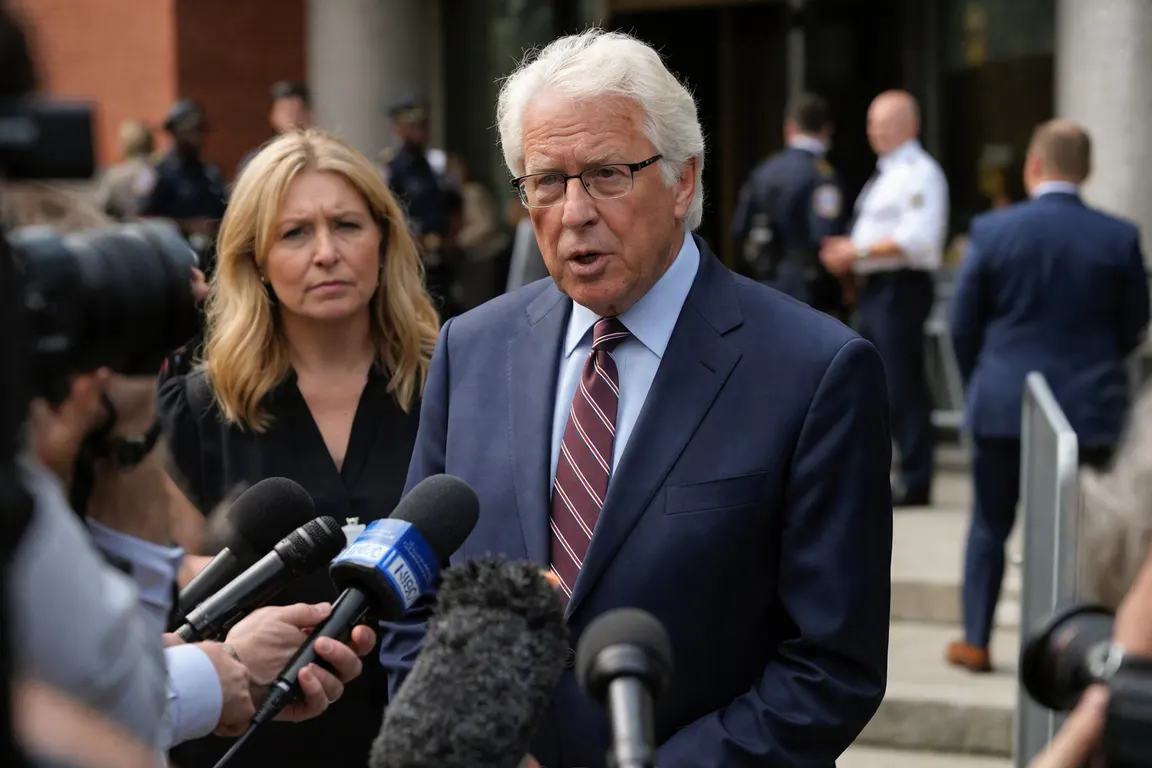
A Massachusetts judge declared a mistrial Tuesday after a six‑week trial on the 2023 killings of Cora, 5, Dawson, 3, and infant Callan, 8 months, ended in a deadlocked jury. The impasse left the case without a verdict and prompted defense attorney Kevin Reddington to publicly ask former President Donald Trump for a pardon.
The jury could not reach a unanimous decision on whether former nurse Lindsay Clancy, 36, was criminally responsible for the deaths, reporting an 11‑to‑1 split. Under state law a deadlocked jury may result in a mistrial, and the presiding judge concluded that the deadlock warranted ending the proceedings. No further explanation beyond the jury’s statement has been released.
In his first interview after the mistrial, Reddington appealed for a presidential pardon, citing the length of the trial and the emotional toll on Clancy’s family. The request was reported by The Independent World and NBC News. Neither the White House nor the Trump administration has responded, and legal scholars note that a pardon in a multiple‑murder case would be unprecedented.
State prosecutors now must decide whether to seek a retrial. Massachusetts law permits a second prosecution after a mistrial, and the district attorney’s office said it will review the trial record before setting a new schedule. A retrial would likely add months to an already drawn‑out process, extending the community’s wait for closure.
Local residents expressed frustration and lingering fear after the mistrial, saying the lack of a verdict undermines confidence in the criminal‑justice system. Town officials emphasized the need for continued public safety measures but have not announced new policies.
Legal experts caution that granting a pardon in a violent‑crime case could reshape the scope of executive clemency. Clemency has traditionally been reserved for non‑violent offenses or instances where a clear miscarriage of justice is evident. A pardon here could open the door for similar petitions in serious felonies.
For the victims’ families, the mistrial deepens an already painful grieving process. In statements to the press, relatives described the outcome as “another chapter of uncertainty” and reiterated their demand for accountability. Counsel for the families said they will continue to support any further legal action the state pursues.
The next steps remain uncertain. Prosecutors must decide whether to file for a new trial, and the federal clemency office will determine whether to consider the unprecedented pardon request. Until either decision is made, the families of Cora, Dawson and Callan, and the broader community, are left without the resolution a verdict would provide.