

Macklemore tour removal amid NFL owner pressure
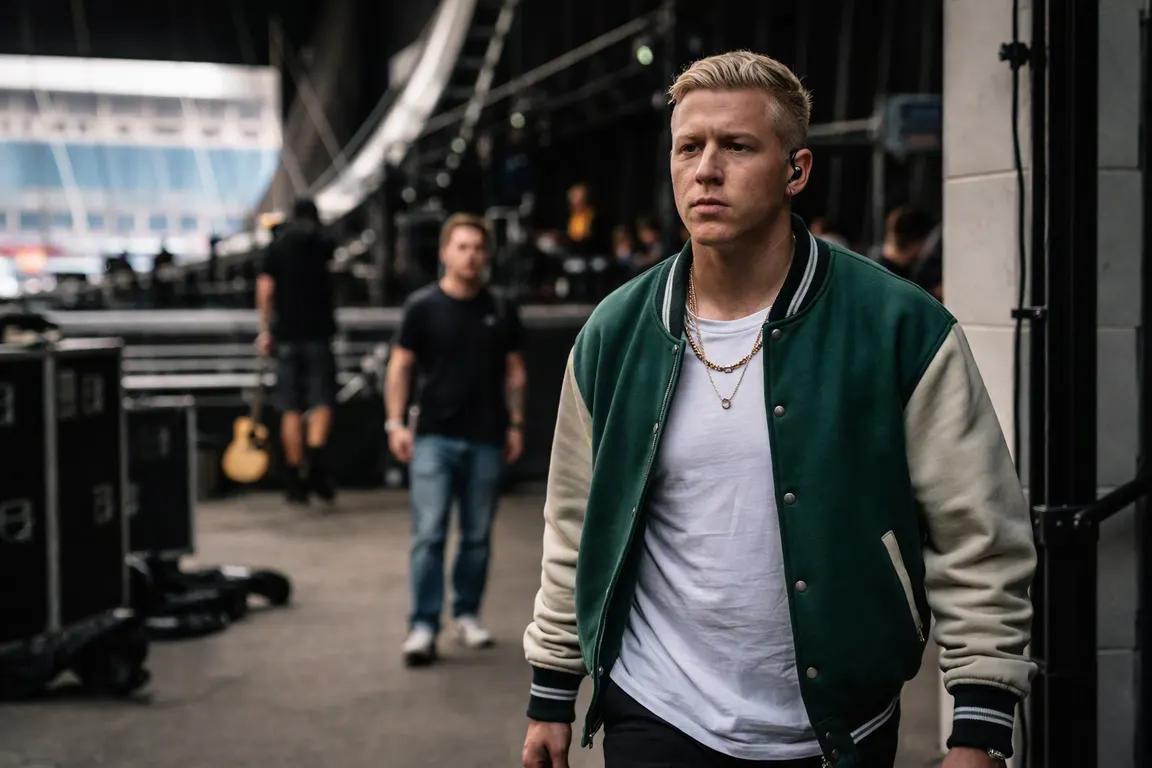
Ed Sheeran’s management announced Wednesday that rapper Macklemore will not appear on the remaining dates of the Loop Tour. The decision follows Macklemore’s pro‑Palestine remarks earlier this year, which prompted complaints from venue owners that he had used "antisemitic rhetoric." The rapper says the pressure came from New England Patriots owner Robert Kraft.
Macklemore first attracted attention in February when he voiced support for Palestine during a live performance in New York. Within days, he said Kraft contacted a network of arena operators and urged them to reconsider his booking. Kraft later issued a statement linking the removal to Macklemore’s remarks and noting his own history of supporting pro‑Israel causes.
Ed Sheeran’s team described the change as a "mutual decision" and the singer denied ordering the rapper off the tour. The New York Post reported Sheeran’s denial, and NBC confirmed the management’s phrasing. In interviews with Al Jazeera and NBC, Macklemore accused Kraft of orchestrating a boycott that silenced his political expression.
Industry observers note the move could have financial repercussions. Macklemore stands to lose performance fees and exposure, while venues risk alienating fans on both sides of the debate. Some ticket holders have cancelled in protest; others have praised the removal as a response to what they view as hate speech. The overall attendance for the Loop Tour may shift as the controversy unfolds.
Robert Kraft, billionaire owner of the Patriots, is known for sizable donations to pro‑Israel organizations. His involvement in the music business is unusual, making this episode a rare example of cross‑sector influence on concert bookings.
Media coverage varies on the extent of Kraft’s role. Some outlets say he "rallied" venue owners; others say he simply "insisted" on Macklemore’s removal. No court filings or legislative actions have been reported, so the dispute remains confined to private contracts and public statements.
The incident comes as more artists use their platforms to address geopolitical issues, while venue operators navigate heightened political sensitivities. Whether this case will set a precedent for future booking decisions is unclear, but it highlights how private wealth can shape cultural access.
As the Loop Tour continues across major U.S. arenas, the music industry faces a question: how to balance contractual freedom with the risk of perceived censorship when performers express controversial views. No regulatory mechanisms have been proposed, leaving the outcome to market pressure and public opinion.