

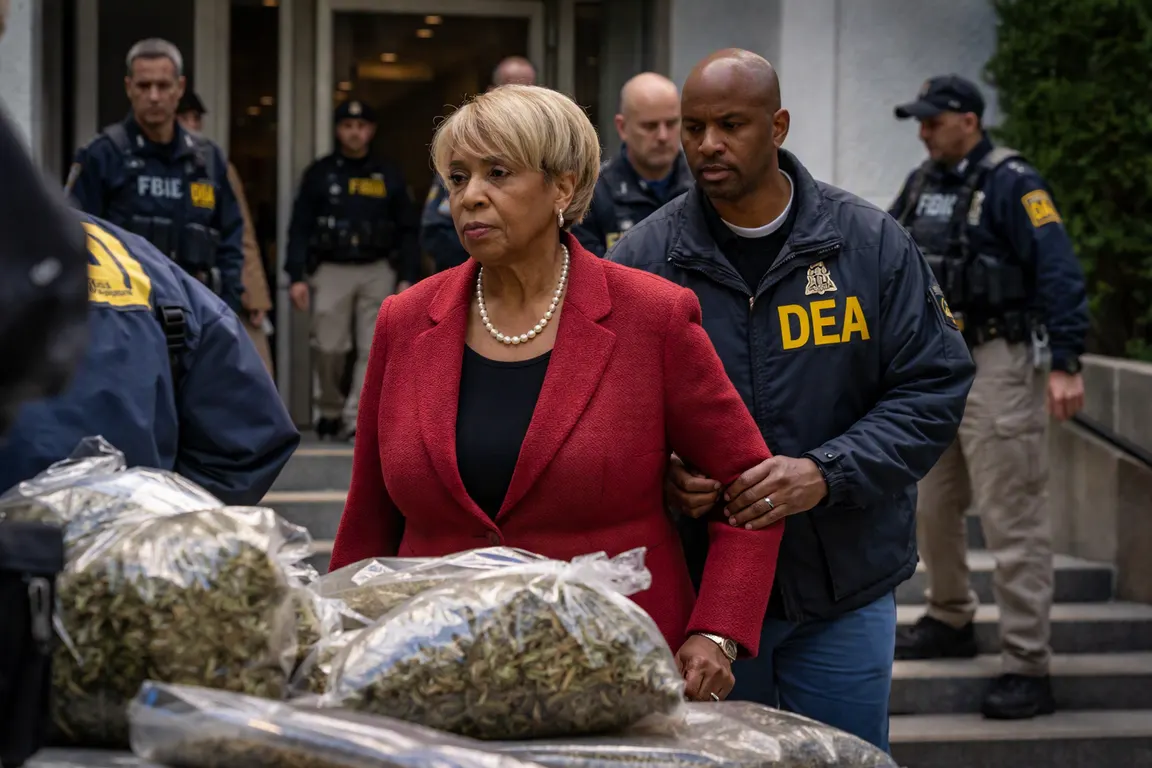
The U.S. Department of Justice unsealed a federal indictment Thursday charging Virginia Senate Majority Leader L. Louise Lucas and six co‑defendants, including several relatives, with racketeering, marijuana trafficking and money‑laundering conspiracies. The Louise Lucas indictment places a senior Democratic lawmaker at the center of a public‑corruption investigation tied to Virginia’s newly legal cannabis market.
Lucas surrendered to federal agents later that day, beginning a criminal process that could affect the state’s regulatory framework. Prosecutors allege a business Lucas co‑owns bought large quantities of marijuana from out‑of‑state sources, transported it into Virginia and sold it through the licensed operation owned by Lucas and family members. Multiple bank accounts and shell entities were used to conceal proceeds, evading reporting requirements and violating both drug‑law and public‑corruption statutes.
Federal investigators framed the case as a public‑corruption matter because Lucas holds elected office while allegedly exploiting a state‑sanctioned market for personal gain. The complaint does not disclose exact volumes or dollar amounts, but it describes a coordinated scheme designed to hide the illegal activity from regulators and law‑enforcement.
Virginia’s recreational‑use framework is still in its infancy, and the case raises questions about regulatory oversight and the potential for illicit activity to infiltrate a regulated industry. State regulators have issued a limited number of licenses for growers, processors and retailers, but the licensing process has drawn criticism for its opacity and the broad discretion granted to the Department of Alcoholic Beverage Control. Lawmakers and industry observers say the Lucas indictment could prompt tighter licensing criteria, more frequent compliance audits and stricter scrutiny of financial practices among cannabis businesses.
For constituents in Lucas’s 18th district, the indictment removes a key legislative leader from day‑to‑day duties and could affect the Senate’s agenda on issues ranging from education funding to criminal‑justice reform. Senate colleagues have not publicly commented, and Lucas’s office declined to provide a statement, leaving voters without clarity on how the case will influence representation or upcoming elections.
Legal experts note that the racketeering count carries a potential maximum sentence of 20 years per count, while the drug‑trafficking and money‑laundering charges can add additional years and substantial fines. The indictment does not specify a trial date, and the defendants have not entered pleas. If convicted, Lucas could be forced to resign under Virginia law, which requires elected officials to leave office upon a felony conviction.
The case also spotlights broader concerns about the integrity of Virginia’s cannabis licensing system. While no evidence suggests the state licensing board was complicit, the fact that a sitting senator is accused of using her position to facilitate illegal activity may prompt legislative reviews of conflict‑of‑interest rules and stricter disclosure requirements for public officials involved in regulated industries.
The next procedural step is a federal court appearance, where the defendants will be formally arraigned. Until a trial is set, the indictment remains the primary public record, and its ramifications for Virginia’s cannabis experiment and public trust in government will continue to unfold.