

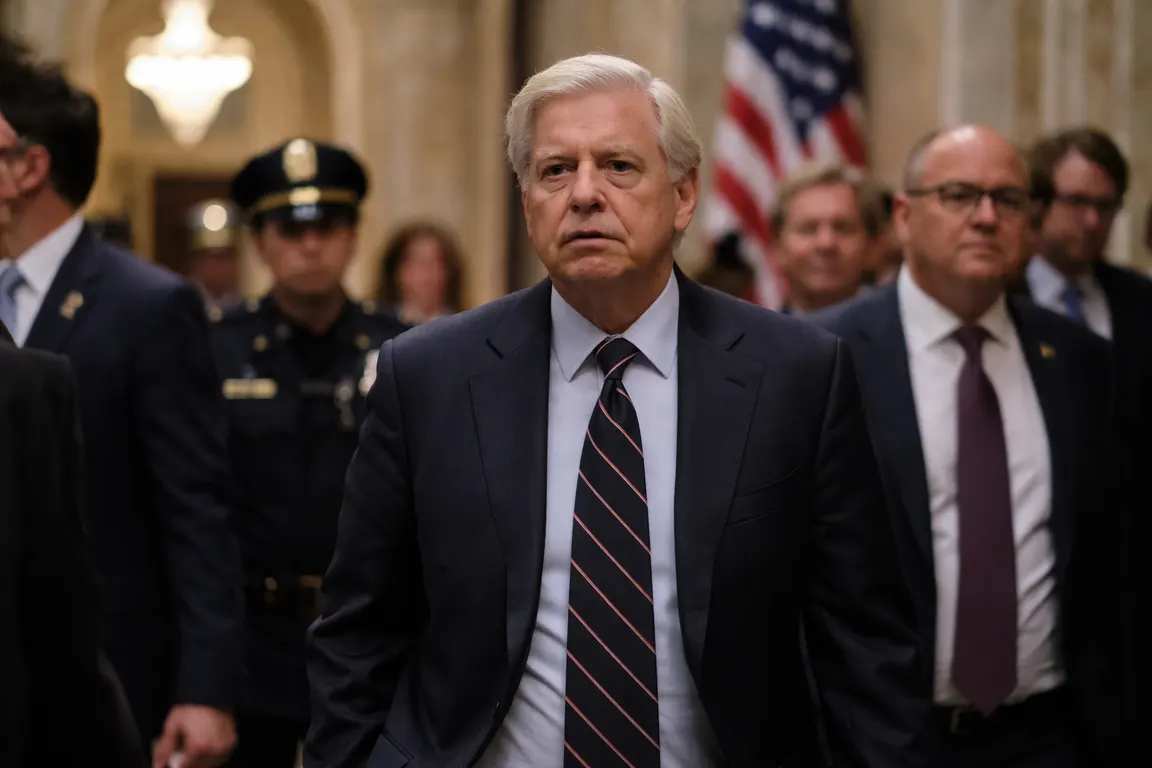
US Senator Lindsey Graham, a key figure in foreign policy, died at 71 after a brief illness. His death has significant implications for US foreign policy, particularly in relation to Ukraine and other international partners. Graham had been a senator since 2003 and was a vocal advocate for a strong foreign policy.
Graham met with Ukraine's President Volodymyr Zelensky in Kyiv on Friday before his death. Leaders of NATO allies, Ukraine, and Israel have paid tribute to Graham, highlighting his international influence and legacy. The death of Senator Graham may impact US foreign policy and the balance of power in the US Senate, with potential implications for upcoming policy decisions.
As the US and its international partners navigate complex global relationships, the loss of Senator Lindsey Graham raises questions about who will fill the void left by his passing and how his key foreign policy achievements will be continued or changed. The US will need to reassess its relationships with international partners, particularly Ukraine, and determine how to continue supporting them in the wake of Graham's death.
With Graham's passing, the US Senate will also need to adjust to a new balance of power, which could impact policy decisions in the coming months. The future of US foreign policy and international relations remains uncertain, with many questions still unanswered about how the US will move forward without Senator Graham's influence. Graham's legacy as a strong advocate for US international relations will be remembered by world leaders and policymakers alike.
The US Senate will likely experience a shift in its balance of power, potentially affecting policy decisions on foreign relations, defense, and international trade. The impact of Graham's death on US foreign policy will depend on various factors, including the response of international partners and the actions of US lawmakers. As the US navigates this transition, it will be important to monitor developments in US foreign policy and international relations.