

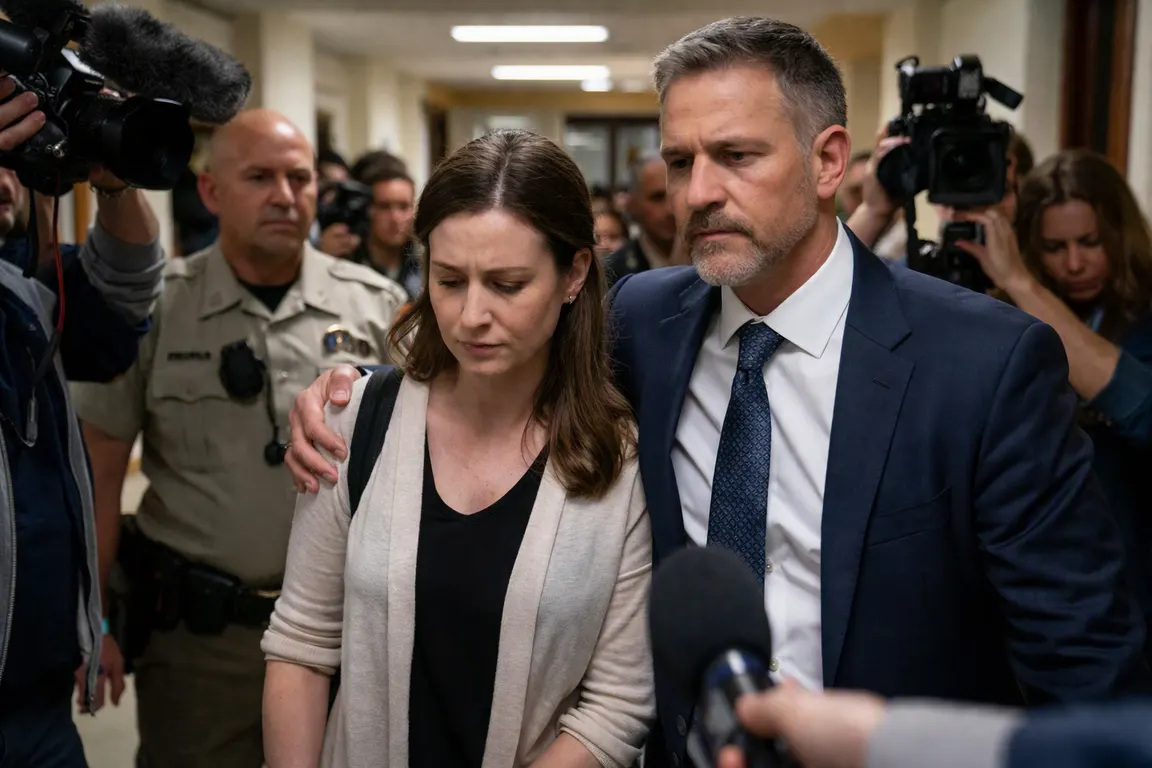
A federal jury in Utah declared a mistrial Thursday after seven days of deliberations failed to reach a unanimous verdict in the case of Lindsay Clancy, who is charged with killing her three children. The deadlock sends the case back to the courtroom and forces prosecutors and the defense to rethink their strategies.
The mistrial pauses a high‑profile murder prosecution that has dominated local headlines and placed the federal system under scrutiny for handling graphic, emotionally charged evidence. With a new trial likely, both sides must decide whether to adjust forensic testimony, revisit witness credibility or seek a different jury composition.
Jurors told the court that after a week of discussion they repeatedly asked to end deliberations, indicating a deep division among the twelve. When the foreperson reported that unanimity could not be reached, the judge declared a mistrial, ending the first trial phase. The decision does not exonerate or convict Clancy; it simply resets the procedural timeline.
Federal prosecutors now must file a motion to retry the case. The timing will depend on court scheduling, the availability of witnesses and any pre‑trial motions the defense may file. Defense counsel is expected to reassess the strength of the prosecution’s narrative and may seek to suppress or reframe evidence that proved contentious in the first trial.
The court’s offer of counseling to jurors highlights growing awareness of the mental strain such cases impose. Jurors described the trial as “traumatic,” citing graphic testimony and the weight of deciding the fate of a mother accused of killing her own children. Mental‑health professionals have been made available to help jurors process the experience, a step that reflects broader concerns about juror welfare in protracted, graphic cases.
Patrick Clancy, the victims’ father and Lindsay Clancy’s ex‑husband, called a second trial “extraordinarily painful,” echoing the anguish felt by the victims’ extended family. His comment is a personal reaction, not a legal position, and no official spokesperson has commented on the procedural implications.
The Utah community remains divided between a desire for accountability and a need for due‑process fairness. Local media coverage reflects that tension, alternating between stories about juror welfare and explanations of what a mistrial means.
Legal analysts note that without a vote breakdown—information the court has not released—strategists can only guess how close the jury came to a verdict. That uncertainty fuels speculation about whether narrowing the charges or altering the evidentiary approach could tip the balance in a future trial.
If prosecutors decide to pursue a retrial, a new jury will be selected and the court is likely to incorporate lessons learned about juror support. The outcome will shape not only the trajectory of the Clancy case but also set a precedent for handling similarly harrowing prosecutions in the future.