

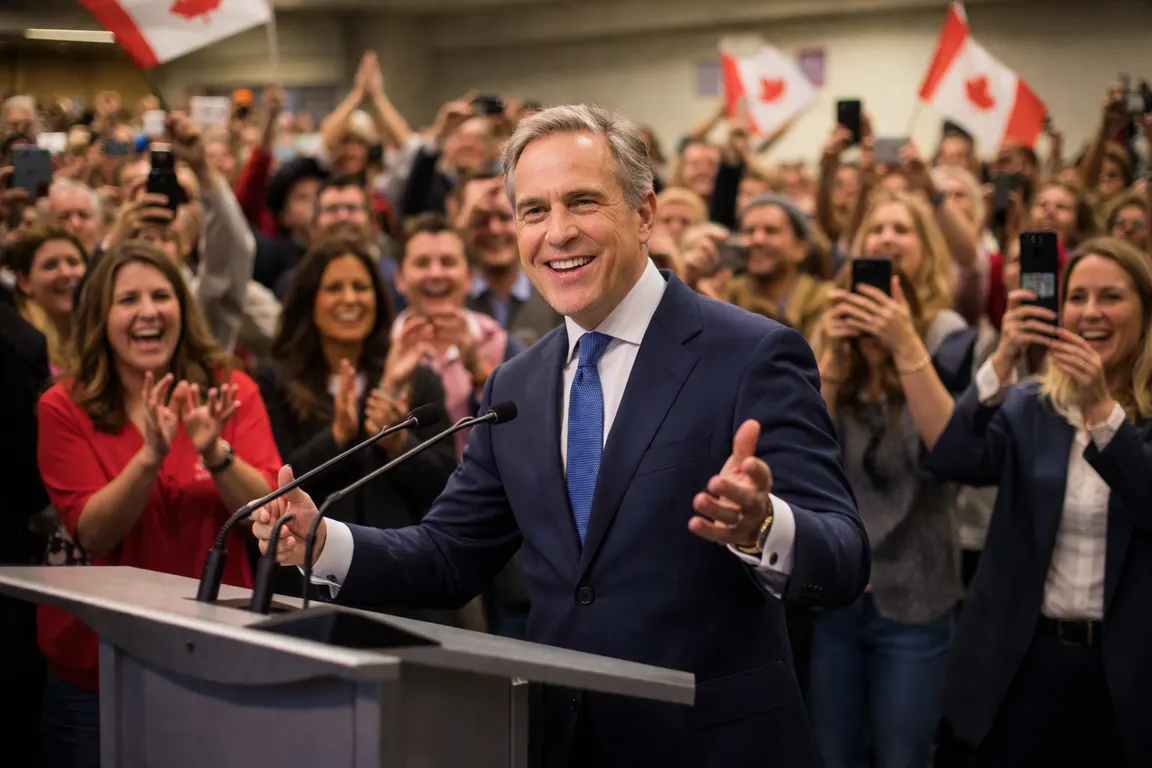
Three federal by‑elections this week shifted to the Liberal Party, offering the first clear electoral signal that Canadians back Prime Minister Mark Carney’s Liberal tariff matching pledge to mirror any U.S. tariffs "dollar for dollar."
The victories came in ridings in Quebec, Ontario and British Columbia, each previously held by the Conservatives. The Quebec win marks the first time the Liberals have taken that seat since 2018, a change noted by several observers as a bellwether for shifting attitudes toward trade policy.
The contests were called after the United States announced a series of tariff threats targeting Canadian lumber, automotive parts and other exports. In response, Carney announced a policy to mirror any U.S. measures, positioning the Liberal government as the defender of domestic jobs and market access.
Election officials confirmed Liberal candidates won all three ridings, though vote totals and turnout figures have not yet been released. Without exact margins, the scale of the swing remains uncertain, but the uniform success across disparate regions suggests a coordinated voter response to the trade issue rather than isolated local factors.
Industry groups argue that reciprocal duties could preserve market access in the United States, protecting jobs in sectors that rely heavily on cross‑border sales. Consumer advocates, however, warn that higher tariffs on imported goods could raise prices for everyday items such as electronics and household products.
The Quebec result carries particular regional significance. The province has long been a battleground for federal parties, and growing concern over trade‑related job security appears to have tipped voters toward a party promising to stand up to external economic pressure.
No legislative or regulatory changes have been enacted yet; Carney’s pledge remains a political statement pending parliamentary approval. Lawmakers will need to draft the necessary statutes before any reciprocal tariffs can be imposed, a process that could extend into the next parliamentary session.
The three wins also provide a reference point for future by‑elections, which historically see modest swings. Analysts say the current outcomes are driven primarily by the trade narrative, linking the Liberal surge directly to Carney’s stance.
Looking ahead, the Liberal government faces the task of converting electoral momentum into concrete policy. Parliament is expected to debate the tariff‑matching proposal in the coming weeks, and the outcome will determine whether the trade promise becomes law or remains a campaign slogan. The next steps will reveal how the party plans to balance protectionist measures with the broader economic interests of Canadian consumers and businesses.