

Lake Ontario renamed on Google Maps sparks US‑Canada dispute
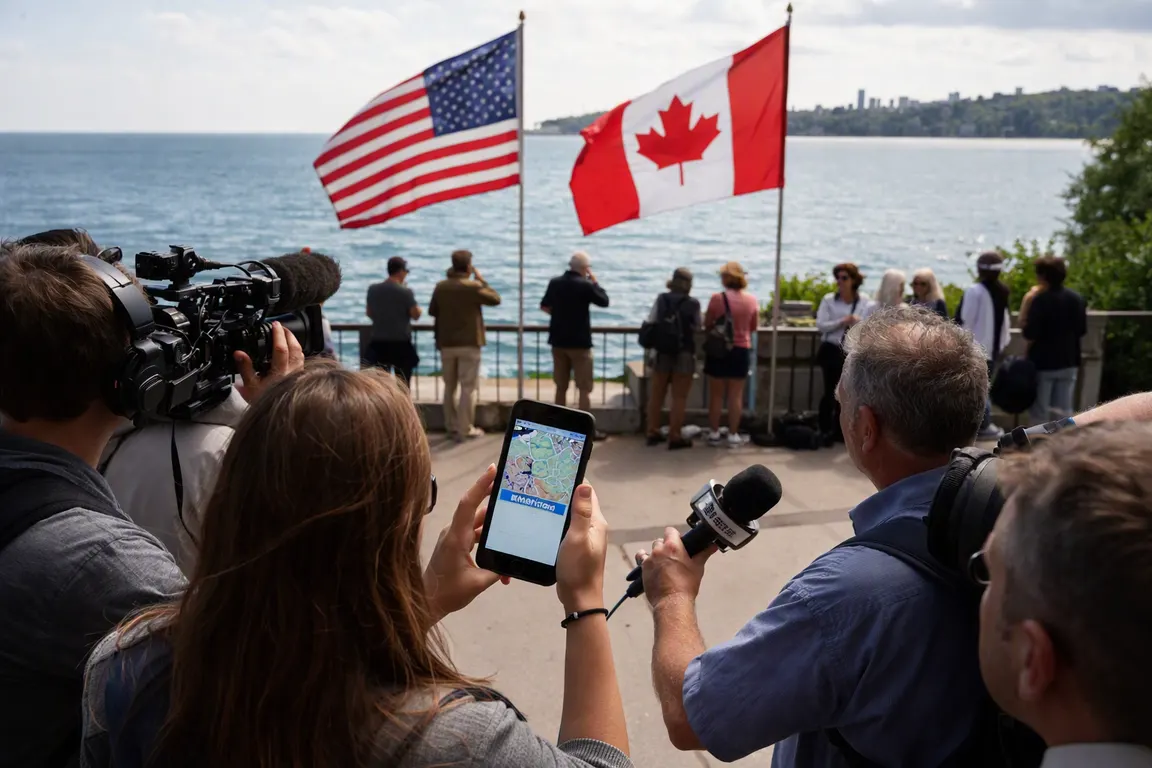
On Aug. 30, 2026, Google Maps began labeling the body of water long known as Lake Ontario as "Lake America" for users inside the United States, marking the first major Lake Ontario rename since the executive order was signed three days earlier. The order, issued by President Donald Trump on Aug. 27, directed the Department of the Interior and the U.S. Board on Geographic Names to update federal records, citing the $4 billion the government spends on Great Lakes stewardship and the operation of nine U.S. ice‑breaking vessels.
White House communications director Steven Cheung announced the update on X, and Google said the new label reflects the latest entry in the U.S. Geographic Names Information System. Canadian users continue to see "Lake Ontario," while users abroad are shown both names.
Canadian officials have rejected the unilateral move. Prime Minister Justin Trudeau said Canada will continue to call the lake Lake Ontario, and New York Governor Kathy Hochul pledged to retain the historic name at the state level. An Interior Department official told reporters that President Trump also asked Apple to make the same change, though Apple has not confirmed compliance.
The name swap has practical consequences. Navigation apps now give directions that reference "Lake America," which could confuse drivers crossing the border or relying on shared logistics platforms. Freight companies report mismatched paperwork when contracts cite different names, and tourism operators warn that guidebooks and promotional materials may need rapid revision to avoid misleading visitors. Tech firms are caught between complying with U.S. government data and meeting user expectations in other jurisdictions.
Legal scholars note that the U.S. Board on Geographic Names traditionally coordinates with foreign counterparts on trans‑border features, but no formal vote on the renaming has been announced. Canadian authorities argue that the lake’s name is a matter of shared heritage and that unilateral U.S. action violates established bilateral protocols.
The dispute is already echoing in other regional issues. Mexican President Claudia Sheinbaum announced a lawsuit against Google over an attempt to rename the Gulf of Mexico "Gulf of America," suggesting the Lake Ontario episode could set a precedent for further unilateral naming efforts.
As the United States, Canada and Mexico negotiate trade terms, the map controversy adds a subtle strain to the talks. While the name change does not affect the physical lake, it tests the limits of governmental authority over digital representations that citizens rely on daily.
The next steps are likely a formal response from the U.S. Board on Geographic Names and diplomatic engagement from Ottawa. Whether the dispute will be settled through negotiation, legal challenge, or coexistence of dual names on different platforms remains to be seen, but the episode underscores how a presidential order can rewrite a familiar landmark on a smartphone screen, with ripple effects across borders and sectors.