

Labour leader ties EU re‑entry to care, housing and energy
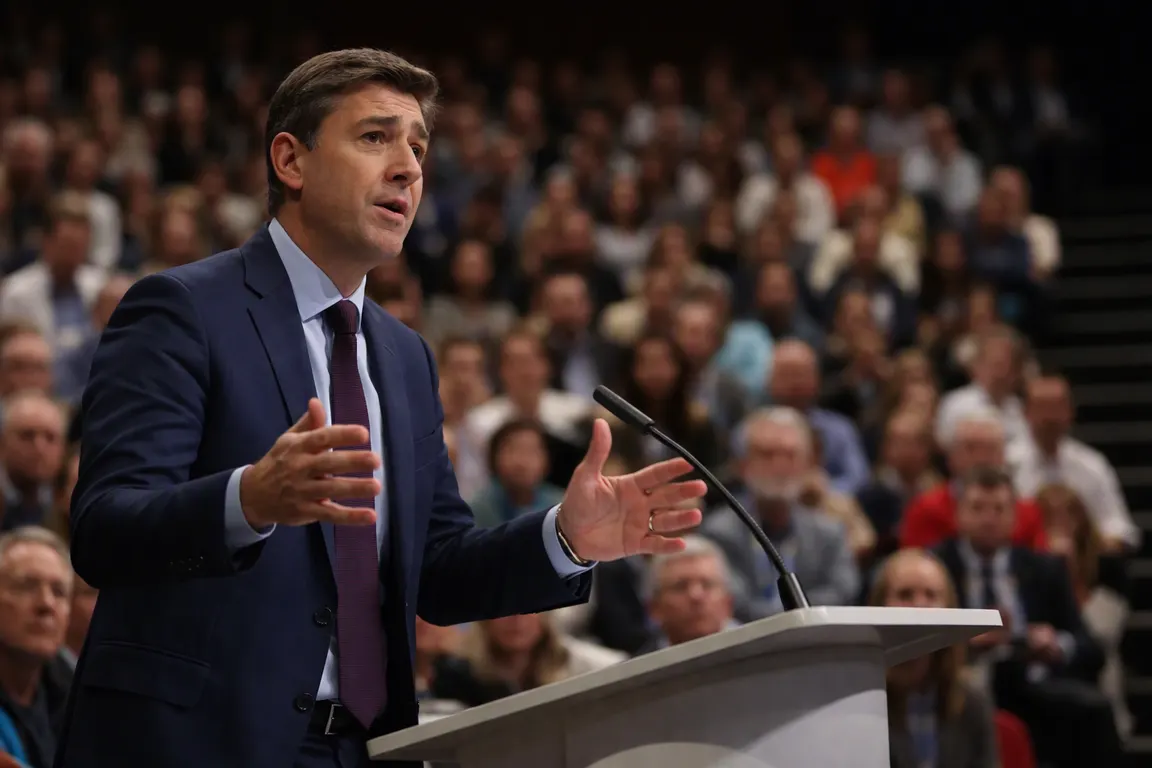
Labour leader Andy Burnham used his May 26 speech at the party conference to link a possible United Kingdom EU re‑entry to a sweeping reform of social care, housing and energy policy.
Burnham said the current Brexit settlement has caused “more harm than good” and argued that a government formed with less than 30 % of the popular vote would lack legitimacy. He pledged to examine “all the options” for the UK’s relationship with the EU while also promising a national care service that would protect pensioners on the basic state pension from having to fund their own care.
The dual proposal shifts the post‑Brexit debate from partisan positioning to a concrete policy crossroads. By tying a potential EU partnership to the funding and delivery of core public services, Burnham forces parliament and the public to consider how such a shift would be financed and implemented.
In the conference speech, Burnham offered no timetable or legislative pathway for either the EU option or the care reform. On the BBC’s “Today” programme later that day, he repeated the criticism of the Brexit settlement and said Labour remained open to a “go‑all‑the‑way” option, but again provided no detail on legal steps.
The care proposal calls for a national service that would cover the cost of care for pensioners, while the housing agenda promises a “major improvement” in affordable housing provision. Burnham also pledged an “energy reform” that would involve regulatory changes and investment in low‑carbon infrastructure. No budget figures or funding mechanisms were disclosed, and Labour has not released a formal policy document.
Analysts note that funding a national care service and expanding affordable housing would require significant public spending. Without a clear financing plan, the proposals risk being judged on political intent rather than actionable design.
Stakeholders could be affected in different ways. Pensioners may benefit if a national care service reduces out‑of‑pocket costs. Housing providers could face new regulatory frameworks or funding streams, and energy firms might see policy shifts such as subsidies or price caps. Conversely, businesses that rely on EU trade could encounter uncertainty if a re‑entry process is pursued, potentially disrupting supply chains and investment decisions.
Parliamentary hurdles are substantial. Any move toward EU re‑joining would need a new international agreement, likely requiring a super‑majority in the House of Commons and approval from EU institutions. Electoral‑reform proposals, such as moving toward proportional representation, would demand separate legislation and broad consensus. With Labour still in opposition, the immediate path to either set of reforms remains unclear.
Burnham indicated that ministers will conduct a detailed review of the EU options and the public‑service agenda, but the timeline for publishing a formal policy paper is unspecified. The key question now is whether Labour can translate the dual promise of EU re‑entry and service overhaul into a viable legislative programme that secures both funding and the political legitimacy needed to enact it.