

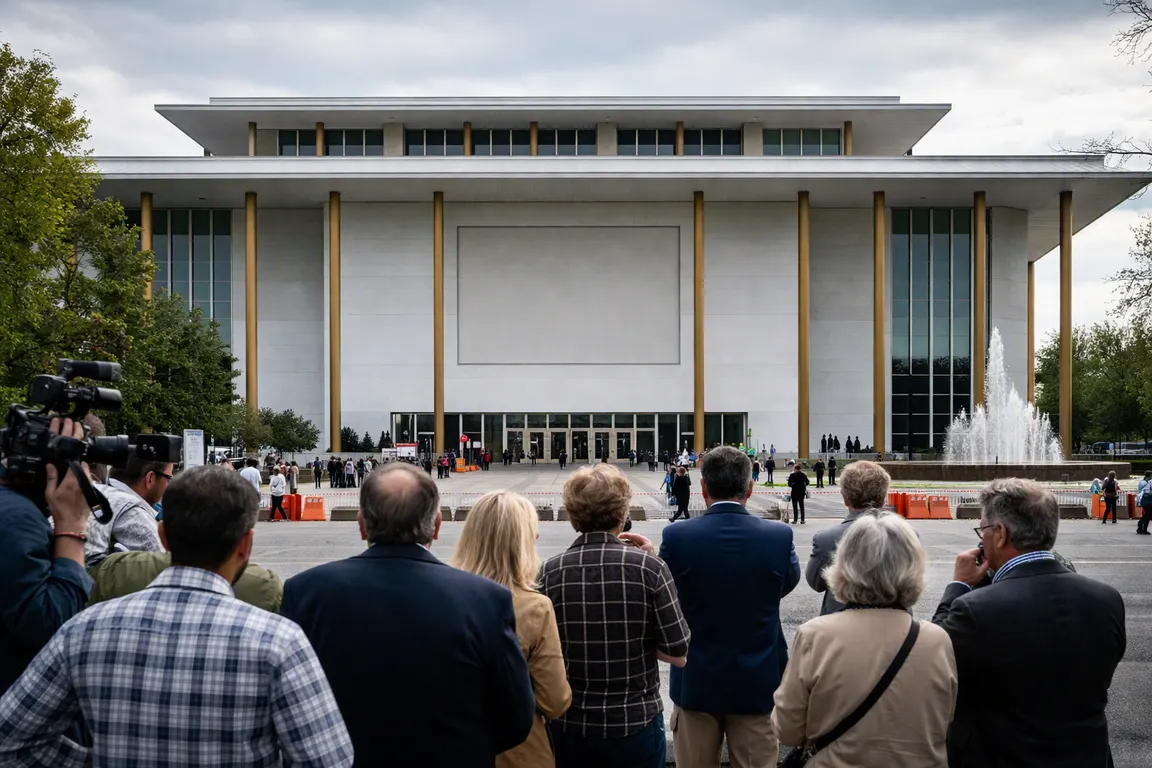
A federal judge in Washington is weighing the Kennedy Center naming dispute, deciding whether to allow the board to restore former President Donald J. Trump’s name to the venue’s façade and rename the adjoining plaza. The ruling could determine if the nation’s premier performing‑arts complex proceeds with a multi‑year renovation or faces a demolition scenario the Justice Department says could become inevitable if the naming conflict stalls the project.
In May, U.S. District Judge Christopher Cooper ordered the removal of Trump’s name after a December addition tied to a broader renovation push. The board, which includes several Trump supporters, voted in June to reinstate the name and rename the surrounding area “President Donald J. Trump Plaza,” adding the phrase “Restored and Renovated by President Donald J. Trump” beneath the former president’s name. At a hearing on June 27, opponents asked the judge to block the restoration, calling it “open defiance” of the earlier ruling. DOJ lawyers countered that keeping the name off the façade could delay renovations and trigger demolition, a claim the department has not backed with a concrete plan.
The Kennedy Center draws roughly five million visitors annually, generating significant tourism revenue for Washington, D.C., and supporting local businesses that rely on event‑related traffic. Since the naming controversy began, attendance has slipped and several artists have publicly refused to perform. The board hopes to begin a two‑year renovation once the name is restored; the project would close the main auditorium but keep the complex open for smaller performances. If the judge upholds the removal and the DOJ’s demolition threat proves credible, the center could face a shutdown that would displace staff, cancel productions and remove a cultural anchor from the city.
Legal analysts say the judge will likely apply the Administrative Procedure Act and statutes governing the use of federal property for political purposes. The key question is whether the board’s naming decision violates the injunction or constitutes an unlawful partisan endorsement of a federal building. The DOJ’s demolition argument hinges on whether the renovation timeline is contractually bound to the naming issue, a point not documented in public filings.
Board members argue that restoring the name honors a donor’s contribution and clears the way for renovation contracts already in place. Opponents, including artists and cultural‑policy advocates, contend the move politicizes a national institution and undermines public trust. City officials warn that a prolonged closure would ripple through the local economy, while federal officials note that any demolition would require extensive environmental and historic‑preservation reviews.
The outcome could set a precedent for naming rights at federal cultural institutions. A ruling that permits the restoration may signal that boards can name facilities after political figures if they comply with prior injunctions. A decision that blocks the name and validates the demolition threat could reinforce limits on political branding of federal property and prompt stricter oversight of renovation contracts.
The judge has not issued a final ruling; a temporary block remains on the board’s request to close the center for two‑year renovations. The next hearing is scheduled for later this month, when the court will consider the legal standards and the DOJ’s demolition claim. Until then, the Kennedy Center’s future hangs in a courtroom, leaving artists, patrons and the city’s economy in limbo.