

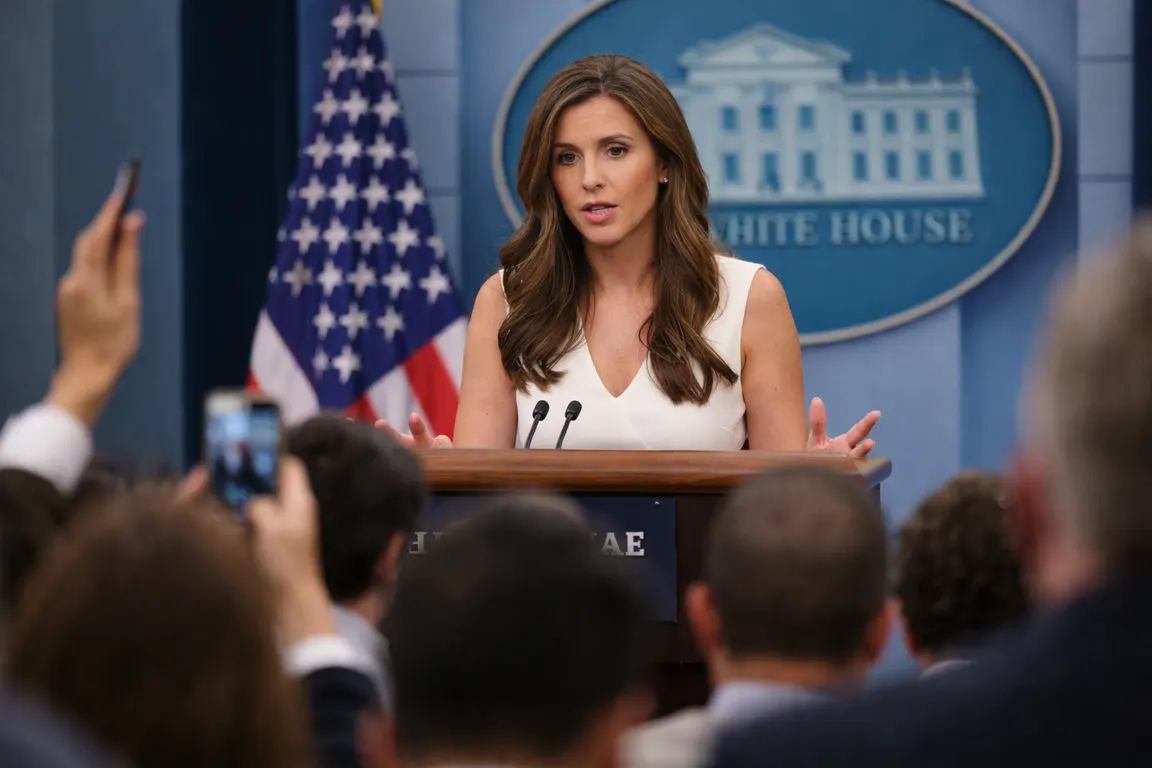
President Donald Trump named Katie Zacharia as the White House press secretary on June 24, describing her as an attorney and a Pepperdine graduate. Within a day, independent research found no record of her holding a Katie Zacharia bar license in any U.S. state, prompting a formal complaint and raising questions about the administration’s vetting process.
Zacharia holds a Juris Doctor from Pepperdine Caruso School of Law (2011) and a Bachelor of Arts from the same university (2007), both verified by school records and her LinkedIn profile. Searches of the California State Bar database and the 49 other state bar portals compiled by the nonprofit Popular Information turned up no admission under any variation of her name. The State Bar of California confirmed on June 27 that it has no record of her being admitted to practice law in the state.
Her résumé lists an associate stint at Zhong Lun Law Firm in Beijing (2011‑2013), a two‑month role as deputy assistant secretary for public affairs at the Department of Homeland Security in early 2024, and a senior communications adviser position at Trump Media & Technology Group beginning in June 2024. None of those positions require a U.S. law license, and the only reference to legal work appears in a NovaRed Mining press release that describes her experience as “international legal” without confirming bar admission.
On June 25, Popular Information reported the absence of any bar record and prompted a White House inquiry. The administration has not produced documentary proof of Zacharia’s admission to any bar, relying instead on her self‑descriptions and the press release. The watchdog group Campaign for Accountability filed a complaint with the California State Bar on June 26, alleging illegal misrepresentation of legal credentials. The Bar has not disclosed whether it will open a formal investigation, citing confidentiality rules.
Legal experts note that California law prohibits the practice of law without a license and makes false claims of licensure a misdemeanor punishable by fines and, in some cases, injunctions. An investigation could result in a civil penalty or a cease‑and‑desist order, but criminal prosecution would require proof of intent to deceive for personal gain, a higher evidentiary bar.
Beyond potential sanctions, the controversy could erode confidence in White House communications. When the administration’s primary messenger is perceived to have misrepresented her qualifications, journalists and the public may question the accuracy of policy briefings and statements that follow. Bar associations are also watching the case, as it may set a precedent for how licensing disclosures are verified for officials whose roles intersect with legal matters.
The California State Bar is expected to review the complaint and decide whether to issue a formal inquiry. Meanwhile, the White House has defended Zacharia, emphasizing her communications experience and academic credentials while declining to provide bar admission documents. Observers will be watching whether the administration adjusts its vetting procedures for future appointments and how the issue influences broader discussions about transparency in government staffing.