

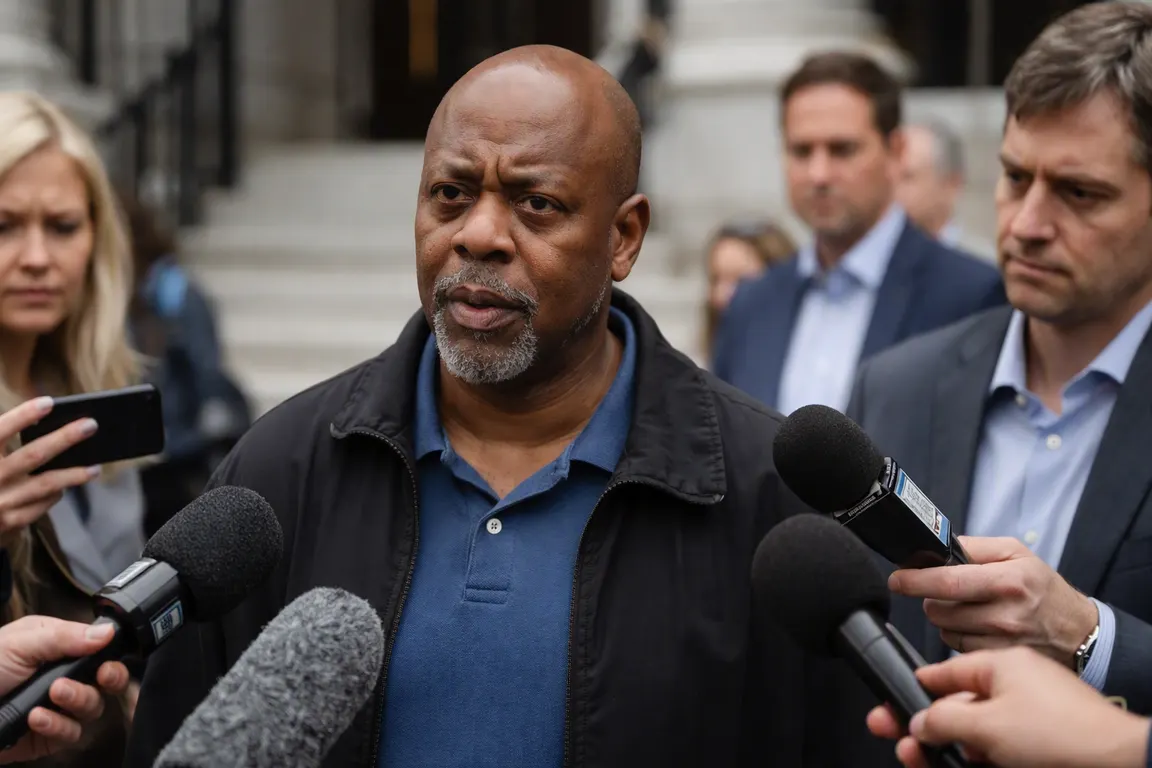
A juror who was the sole vote for a guilty verdict in the Lindsay Clancy murder trial told reporters in June that he believes his identity as a Black Republican made him a target during deliberations. His comments have turned a procedural mistrial into a broader conversation about juror safety and the courts' ability to shield jurors from internal and external pressure.
Massachusetts Judge Michael J. O'Connor declared a mistrial in early May 2024 after the twelve‑person jury dead‑locked. The case was sent back to the Suffolk County District Attorney's Office for a possible retrial. The holdout juror, identified as Michael P. Desronvil, 48, said to BBC News he had "no doubt" the mother deliberately killed her children, but that his attempts to present alternative theories were repeatedly cut off by other jurors.
Desronvil told NewsNation that he felt isolated when his fellow jurors dismissed his contributions, and he believes his political affiliation placed him in the crosshairs of the group. The New York Post reported the same claim, while NBC News cited Desronvil’s attorney as saying the juror would not give interviews—a discrepancy that underscores the difficulty of verifying his statements.
Governor Ron DeSantis of Florida reportedly offered "asylum" to the holdout juror, a comment cited by The Guardian but not corroborated by other outlets. No formal request or legal mechanism has been activated, and the offer appears symbolic rather than actionable. Nonetheless, the remark illustrates how high‑profile juror narratives can be seized for partisan messaging.
Legal scholars note that juror intimidation is prohibited, but protections vary by state. In Massachusetts, jurors may request relocation or anonymity, but such measures are rarely used in murder trials. The Desronvil episode may prompt judges to consider additional safeguards, such as sealed deliberation notes or enhanced post‑trial counseling, especially as media scrutiny intensifies.
For the Clancy family, the mistrial prolongs an already painful search for closure. Lindsay Clancy’s former husband and his new wife have spoken publicly about the lingering grief and uncertainty the dead‑locked jury has amplified. Community leaders in Boston have warned that the unresolved case could erode trust in the local justice system, particularly among minority residents who already feel marginalized.
The case also raises questions about precedent. While jurors in high‑profile trials have faced threats from outside actors, documented instances of intra‑jury bias linked to race or party affiliation are rare. If Desronvil’s claim is substantiated, it could become a reference point for future litigation over juror misconduct and for legislative proposals aimed at strengthening juror protection.
Prosecutors now face the decision of whether to retry the case. A new jury will be empaneled, and judges are likely to revisit voir dire questions about bias and to issue clearer instructions on deliberation conduct. Whether Desronvil’s remarks will shape those safeguards remains uncertain, but the episode underscores the fragile balance between transparent justice and the privacy of jurors tasked with deciding life‑altering outcomes.