

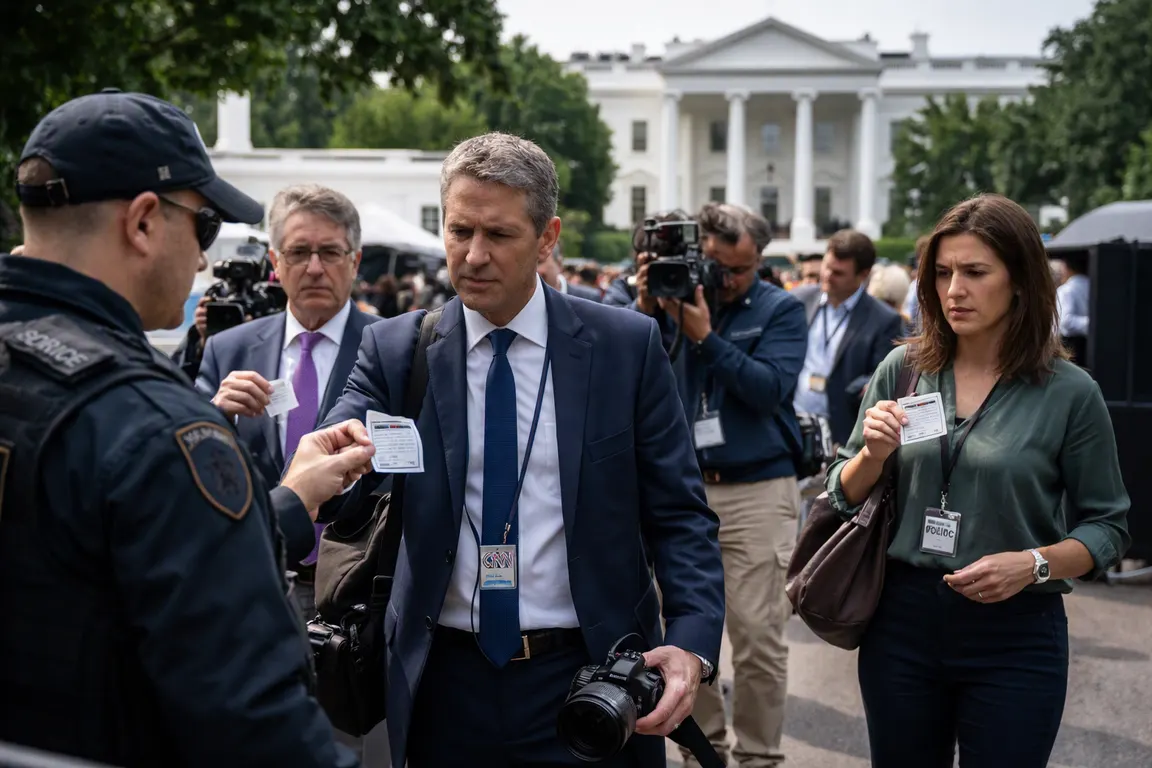
A federal district judge on Thursday ordered the White House to immediately reinstate the White House press credentials that had been withdrawn from CNN, MS NOW and Politico after President Donald Trump labeled the outlets “fake news.” The injunction required the administration to return the passes the same day, allowing the three newsrooms to resume reporting from the West Wing.
The ruling underscores the judiciary’s role in checking executive actions that restrict First‑Amendment access to government officials. By granting a temporary restraining order, the court found that revoking press passes without notice or a hearing raises constitutional concerns and could set a precedent for future disputes over media access to the president.
Trump barred the three outlets on Friday, accusing them of spreading “fiction and lies.” The outlets filed a joint lawsuit alleging that the ban violated the First Amendment and denied them due‑process rights. U.S. District Judge Timothy Kelly, hearing the case in Manhattan, concluded that the administration’s action likely infringed those rights because it removed a protected interest—press access—without giving the outlets an opportunity to contest the decision. In his order, Judge Kelly directed the White House to “immediately return, reinstate and restore” the credentials.
White House officials complied within hours, and reporters from CNN, MS NOW and Politico reentered the West Wing later that Thursday. The swift compliance highlighted the binding nature of the injunction and the limited authority of the president to unilaterally revoke press privileges.
Legal scholars note that the judge’s reliance on due‑process principles aligns with longstanding Supreme Court precedent requiring notice and a hearing before the government can deprive individuals of constitutionally protected rights. The decision does not create a new legal test but reinforces existing standards that apply when the government attempts to limit press access. It also signals to future administrations that blanket bans based on perceived bias may be subject to rapid judicial review.
The episode unfolded amid low presidential approval ratings, looming mid‑term elections and heightened U.S.–Iran tensions. While those factors provide context, the court’s focus remained on the constitutional question rather than the political environment. No evidence suggests the ban was intended to influence policy outcomes; the president’s statements framed the action as a response to alleged misinformation.
For the journalists directly affected, the reinstatement restores a critical channel for gathering information and questioning senior officials. The broader media community views the ruling as a reaffirmation of the legal protections that enable a free press to operate without fear of arbitrary exclusion.
The case remains open for further litigation should the administration appeal the injunction or pursue alternative restrictions. Observers will watch how the White House adjusts its credentialing procedures and whether additional challenges arise from other outlets that feel similarly targeted. The decision sets a concrete precedent that may deter future attempts to curtail press access without adhering to constitutional safeguards.