

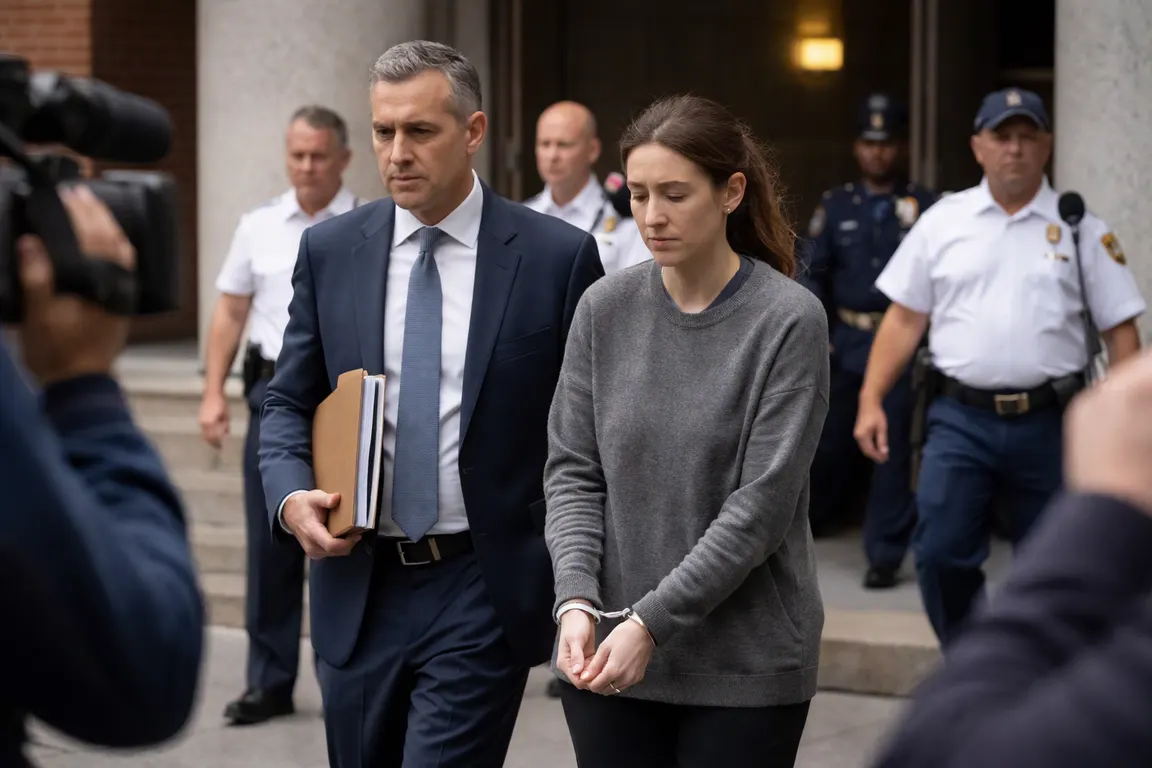
A Massachusetts judge will rule Tuesday on whether Lindsay Clancy can face a second trial, examining double jeopardy protections after a mistrial in the 2023 deaths of her three children in Plymouth. The decision will determine if a retrial violates constitutional safeguards and will set a precedent for handling juror deadlocks in high‑profile cases.
Clancy has been charged with murdering her three children, a case that has drawn national attention since the deaths were reported in 2023. The first trial began in early 2024 but ended in a mistrial on September 4, 2024, after a single juror refused to reach a unanimous verdict.
Under Massachusetts law, a mistrial can be declared when a jury cannot agree on a verdict, but the state must then show that a retrial would not constitute double jeopardy. The legal test hinges on whether the mistrial was “manifestly prejudicial” to the defendant or simply the result of a normal deadlock. That distinction will guide Judge William Sullivan’s hearing.
Clancy’s defense argues that the mistrial was improper and that a second trial would breach the Fifth Amendment’s double‑jeopardy clause. In a recent statement, her lawyer asked, “Where is the evidence?” that she killed her children, shifting the focus from an earlier insanity defense.
Prosecutors contend the state can retry the case because the mistrial stemmed from a juror’s deadlock, not prosecutorial misconduct. They cite Massachusetts precedent allowing a second trial after a hung jury when the original proceeding was fair.
The hearing, set for Tuesday, September 10, will feature oral arguments from both sides. Media outlets have highlighted the double‑jeopardy issue, while others note the defense’s demand for evidence. Clancy’s attorneys have filed multiple motions, though the specifics remain undisclosed.
For the families of the three children, the outcome carries profound emotional weight. They have repeatedly called for a swift resolution, emphasizing the need for legal closure. The Plymouth community faces heightened media scrutiny and a potential strain on court resources as the case moves forward.
Legal scholars warn the ruling could influence how future mistrials are handled across the state. Allowing a retrial may encourage prosecutors to pursue second trials after deadlocked juries, while barring a retrial could tighten double‑jeopardy protections and limit the state’s ability to retry serious offenses.
Judge Sullivan is expected to issue his decision later this week. The ruling will clarify whether Massachusetts law permits a second prosecution in Clancy’s case and will signal how courts may balance defendants’ constitutional rights against public demand for accountability in similar deadlock situations.