

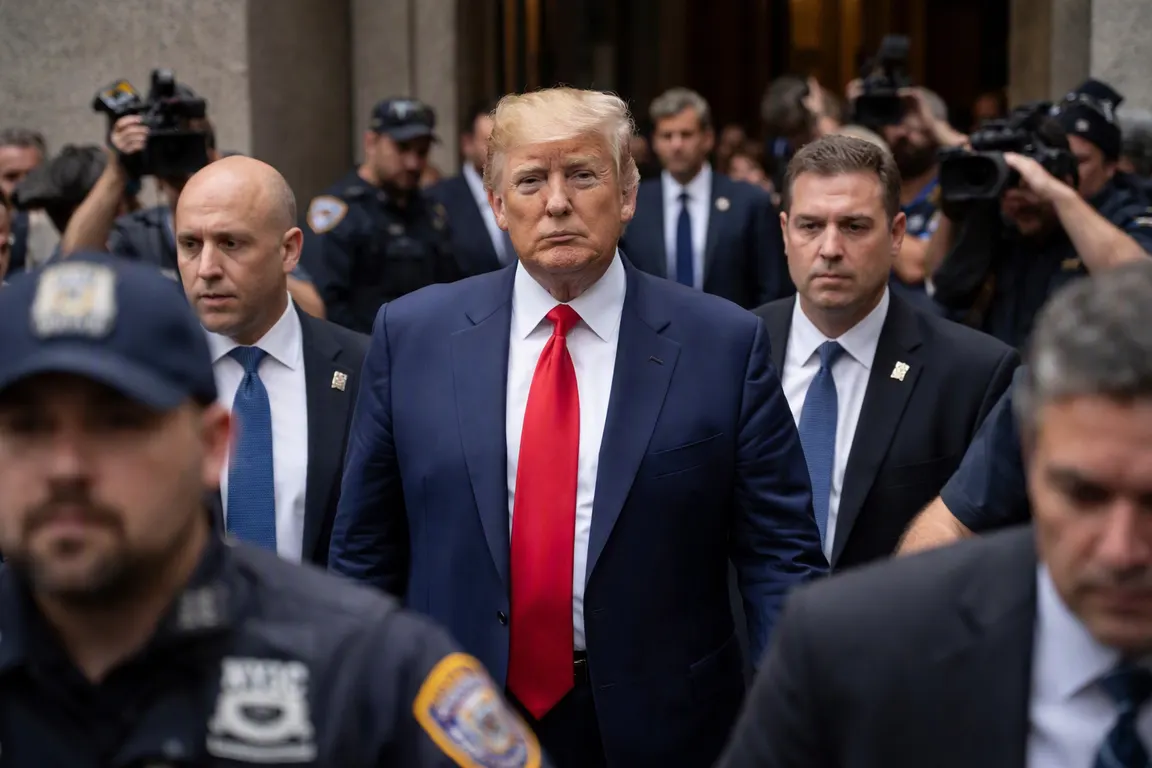
A Manhattan federal judge on Friday rejected former President Donald Trump’s motion for Trump hush money removal to federal court, reaffirming that state criminal judgments cannot be avoided by invoking presidential‑immunity defenses.
Judge Alvin K. Hellerstein of the U.S. District Court in Manhattan issued the denial after the Second U.S. Circuit Court of Appeals ordered him to reconsider an earlier refusal. In his ruling, Hellerstein said the request was a “second bite at the apple,” lacking both good cause and diligence. He noted that the motion was filed months after the conviction and after the Supreme Court’s July 2024 decision that presidents and former presidents are immune from prosecution for official acts. The timing, he concluded, did not satisfy the procedural standards for removal.
Under 28 U.S.C. § 1442, a defendant must show that the case arises out of the performance of official duties and that a federal court would have original jurisdiction. Hellerstein found that the hush‑money payment to adult‑film actress Stormy Daniels – made in the months before the 2016 election – was not an official act. Consequently, the statutory threshold for removal was not met.
Trump was convicted in May 2024 on 34 felony counts of falsifying business records to conceal a $130,000 payment. The verdict carries an unconditional discharge, leaving the conviction on his record but imposing no additional sentence. His legal team cited the Supreme Court’s July ruling, arguing that the immunity doctrine should extend to state prosecutions linked to official conduct. The judge distinguished that precedent, which addressed prosecutions for actions taken in the course of official duties, from the campaign‑related financial maneuver at issue here.
The denial follows a series of courts rejecting Trump’s attempts to shift state cases to federal forums. Earlier this year, an appellate panel found Hellerstein had failed to consider “important issues” related to presidential immunity, prompting a rehearing that again ended in denial. The New York appellate process challenging the conviction remains pending, and Trump has said he will appeal the latest ruling.
Legal scholars say the decision underscores that removal hinges on procedural timing and jurisdictional thresholds, not on a defendant’s political stature. “Presidential immunity does not create a blanket shield against state criminal law,” one expert observed. The ruling provides a practical guide for any officeholder facing state charges: immunity arguments must fit within the narrow scope of official‑act immunity and meet strict procedural requirements.
Trump’s team is expected to appeal to the Second Circuit, likely contending that the district court misapplied the removal statute and ignored the Supreme Court’s immunity precedent. Meanwhile, New York appellate courts will continue reviewing the underlying conviction, a process that could extend into 2025. The broader implication is a clearer judicial boundary between state criminal jurisdiction and federal immunity defenses, a boundary that will shape how high‑profile officials address state investigations moving forward.