

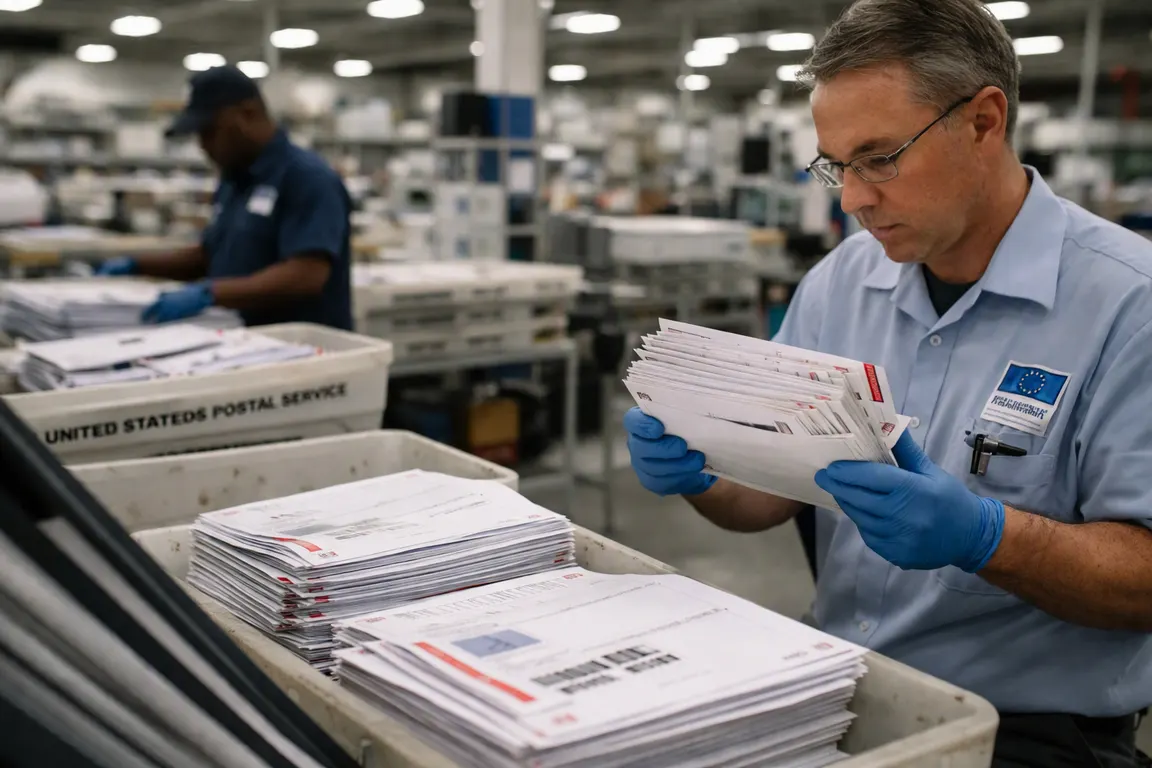
U.S. District Judge Indira Talwani issued a 14‑day temporary restraining order on Aug. 28, halting the USPS mail ballot rule that would require states to use a new USPS portal and meet strict envelope, barcode and tracking standards for mail‑in ballots.
The order stops enforcement of a regulation that implements President Donald Trump’s March 2026 executive order on election procedures. By pausing the rule just weeks before states begin mailing absentee ballots for the November 2026 midterms, the decision creates an immediate legal and logistical dilemma for election officials who had been preparing to redesign ballot materials, update election‑management systems and train staff under the new requirements.
The contested rule obliges each state to submit recipient information through the newly created portal and to adhere to specific envelope dimensions, barcode placement and tracking protocols before outbound mail ballots are accepted. Judges noted that states lack both the time and funding to redesign ballots, obtain necessary approvals, produce revised materials and integrate the portal into existing workflows before the midterm election cycle begins.
The legal battle began after the Trump administration finalized the rule in early 2026. Democratic‑led states and voting‑rights groups quickly filed lawsuits, arguing that the changes pose an “overwhelming risk” to voters and would strain state resources. The Supreme Court issued a procedural decision in early August that allowed the rule to move forward, but it did not address the underlying legality.
Judge Talwani’s order cites inadequate notice and the financial burden on states as grounds for the injunction. A hearing is set for Sept. 3, and the parties are expected to file further appeals. If the injunction is lifted after the 14‑day period, states could face a compressed timeline to comply, potentially delaying ballot printing and distribution. A prolonged block could force the administration to revise the rule or pursue a different regulatory path.
State election officials are now in a holding pattern, pausing redesign efforts while they await further court guidance. Vendors that supply ballot printing, software and mailing services report short‑term contract pauses as clients reassess compliance timelines. Political campaigns in affected states are also adjusting outreach strategies, anticipating uncertainty around the availability of mail‑in ballots.
The next legal step will be arguments before the district court on Sept. 3, followed by potential appeals to the First Circuit and, if warranted, a petition to the Supreme Court. Legal analysts say the case raises broader questions about federal authority over state election administration and the balance between uniform standards and state flexibility.
For voters who rely on absentee voting, the immediate impact is uncertainty: ballots already printed under the old specifications may still be valid, but new ballots must meet the pending standards if the rule is reinstated. Election officials have pledged to communicate any changes promptly, but the short window before the November election leaves little margin for error.
The outcome will determine whether the USPS’s new portal and barcode system become a nationwide requirement or whether states will retain existing mailing practices. Until the courts render a final decision, election officials, vendors and voters remain in legal limbo, awaiting clarity on how ballots will be prepared and delivered for the 2026 midterms.