

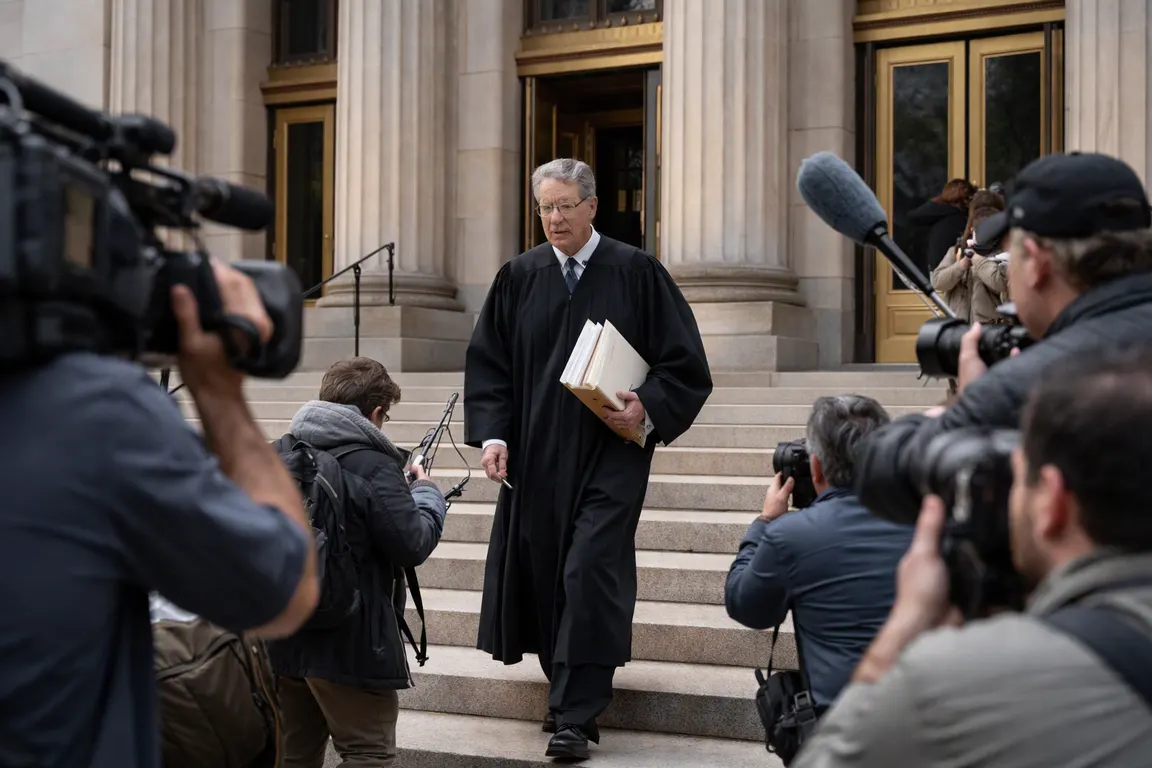
A federal judge on Sunday issued an emergency injunction that stops the Department of Homeland Security from airing any further television ads that promote President Donald Trump, halting a $20 million taxpayer‑funded advertising push for two weeks. The ruling cites the DHS pro‑Trump ad injunction as illegal under statutes that prohibit the use of congressionally appropriated money for "publicity or propaganda."
The decision arrives weeks before the 2024 midterm elections, when the administration’s ability to communicate policy faces intense scrutiny. By declaring the campaign a prohibited use of public funds, the court forces the government to rethink how it conveys border‑security messages without crossing into partisan persuasion. The order also raises the possibility that the $20 million could be required to be repaid to taxpayers.
Judge Jennifer L. Rochon granted a temporary restraining order on May 5, 2024, blocking any further airing of the ads for a two‑week period. The spots, funded from DHS’s border‑security appropriations, began in late September 2023 and featured Trump‑centric messaging, including a clip warning of “communism,” a replay of a 2020 campaign ad, and a segment referencing Venezuelan leader Nicolás Maduro. Plaintiffs Common Cause, a nonpartisan watchdog, and the nonprofit Democracy Forward argued that the campaign violated the anti‑propaganda provisions of the federal appropriations law.
The White House called the ads public‑service announcements, a claim the judge rejected as the content was aimed at influencing electoral outcomes rather than informing the public about government services. The Justice Department argued the restraining order was unnecessary because the ads were scheduled to end the following day, but the judge said the plaintiffs would suffer irreparable harm if the campaign continued.
Senate Majority Leader John Thune publicly criticized the use of taxpayer money for the ads, echoing concerns from Democrats that the administration was blurring the line between policy communication and campaign promotion. The Democratic National Committee has also filed a separate lawsuit over the same advertising effort, underscoring the broader partisan dispute.
The injunction creates immediate practical challenges. Media buyers and ad agencies that secured prime‑time slots now face contract cancellations and lost revenue. The administration must decide whether to seek alternative, non‑partisan ways to convey border‑security policies or pause its messaging altogether until the legal issues are resolved. If a court later orders repayment, the $20 million could be reclaimed from DHS’s budget, affecting future funding for security initiatives.
Legal scholars note that the case hinges on the statutory prohibition against using appropriated funds for "publicity or propaganda," a provision cited by several news outlets. The decision could become a reference point for future challenges to government advertising that appears to favor a particular candidate or party, especially in election cycles.
The next steps are clear: DHS must halt all related broadcasts for the two‑week period and assess how to comply with the court’s order while maintaining public outreach on border issues. A hearing on the longer‑term status of the campaign is scheduled for later this month, and the court may later decide whether the administration must repay the $20 million. Until then, voters will encounter fewer government‑funded pro‑Trump messages on their television screens, and the legal battle over the boundaries of public‑funded political communication is likely to continue.