

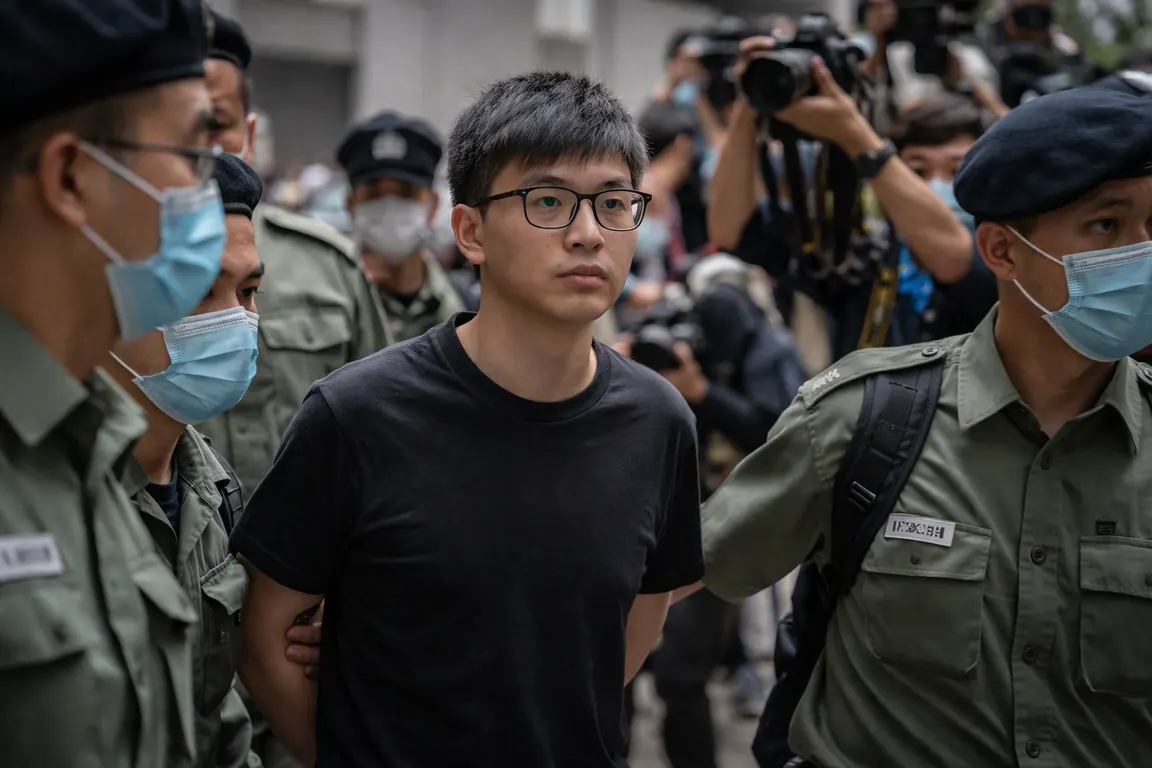
Hong Kong pro‑democracy activist Joshua Wong, 29, entered a guilty plea on Wednesday to a charge of "conspiring to seek foreign sanctions against Hong Kong and China" under the city’s national‑security law. The offence carries a maximum penalty of life imprisonment and marks the most serious escalation in the post‑2020 crackdown.
Prosecutors say Wong worked with exiled activist Nathan Law to lobby foreign governments and international bodies to impose sanctions, blockades or other measures against Hong Kong and mainland China. The indictment frames that coordination as a threat to national security.
Wong is already serving a prison term for earlier protest‑related offenses. The new charge arrives as Beijing steps up diplomatic pressure on countries that have sanctioned Chinese officials over human‑rights concerns. The case tests how far authorities will apply the foreign‑collusion provision, which was added to the national‑security law after the 2020 protests to criminalise alleged cooperation with external actors.
Legal analysts note that the charge differs from Wong’s 2021 conviction, which stemmed from street protests. This time the focus is on political advocacy aimed at the international arena, a move that could broaden the law’s reach.
For Hong Kong’s civil society, the plea sends a stark warning. Activists and NGOs may face increased self‑censorship or legal exposure for any engagement with foreign entities, fearing that such contact could be labeled collusion. The business community is also watching closely, assessing the risk of political instability and its impact on investment decisions.
Internationally, the case comes as several Western governments review sanctions regimes targeting Chinese officials. A high‑profile activist being prosecuted for seeking those sanctions could influence diplomatic calculations and temper further punitive measures against China.
A sentencing hearing has not yet been scheduled. The court will decide whether to impose the life‑sentence maximum or a reduced term, a decision that could set a precedent for future national‑security prosecutions.
The outcome will likely become a reference point for how Hong Kong’s security courts apply the national‑security law against activists accused of courting foreign sanctions, shaping both the domestic climate for political expression and the broader calculus of foreign governments considering additional sanctions on China.